Uzbekistan Accelerates Modernization Through Economic Growth and Legal Reform
The Central Asian nation targets 2026 for WTO entry while securing international recognition for gender equality and robust market expansion.
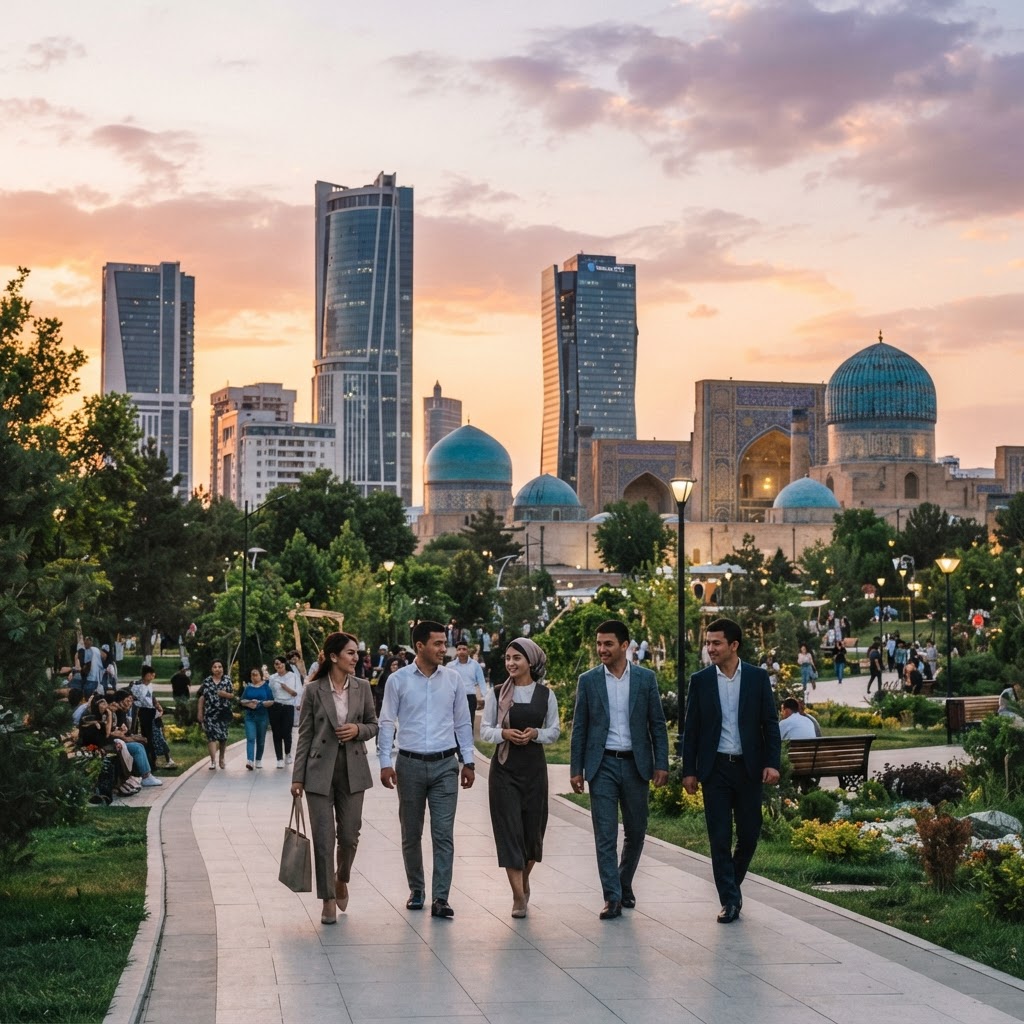
Uzbekistan is currently navigating a period of significant transformation, marked by aggressive economic targets and a series of legislative updates aimed at global integration. The government has set its sights on joining the World Trade Organization (WTO) by 2026, a move that signals a shift toward a more open, market-driven economy. This ambition is supported by a series of policy reforms designed to increase competition and attract international partners.
Financial institutions like the Asian Development Bank (ADB) have expressed optimism regarding the country's fiscal health. Projections suggest that the national economy will maintain a growth rate of approximately 6.7% through 2026, bolstered by increased foreign direct investment and a surge in trade turnover, which reached $41 billion in the first half of this year. This growth is largely driven by the export of chemical products, fertilizers, and agricultural goods.
Beyond economics, the nation has made strides in social legislation. The World Bank’s 2024 study recently highlighted Uzbekistan as one of the top five global improvers in gender equality. This recognition follows the adoption of a new Labor Code and specific criminal penalties for domestic violence, aimed at strengthening the legal protections afforded to women in the workplace and at home. These reforms are seen as essential steps toward building a more equitable society.
On the diplomatic front, Tashkent is deepening ties with both regional and global partners. Recent discussions have included the proposal of a special economic zone for American companies, while daily flight services from Abu Dhabi have commenced to improve connectivity. These efforts are part of a broader strategy to diversify trade partners and reduce reliance on traditional markets, while also securing energy supplies from neighboring powers.
The domestic political scene is also evolving, with parliamentary and local elections scheduled for late October 2024. These will be the first contests held under a newly implemented mixed electoral system, following constitutional changes that reshaped the country’s legislative framework. The government maintains that these changes will modernize the political process, though international observers continue to monitor the implementation of these new rules closely.
However, the path to modernization is not without its hurdles. While international observers praise economic reforms, some human rights groups have raised concerns regarding new laws that allow the government to restrict foreign nationals deemed "undesirable." Balancing national security and traditional values with the openness required for international trade remains a delicate task for the current administration as it seeks to reach a $300 billion GDP by 2030.
RELATED DISPATCHES
Discussion (0)
No comments yet. Be the first to join the discussion.