Uzbekistan Drives Robust Economic Expansion as Poverty Drops and Reforms Accelerate
International institutions project continued regional leadership for Uzbekistan despite external commodity and energy market risks.
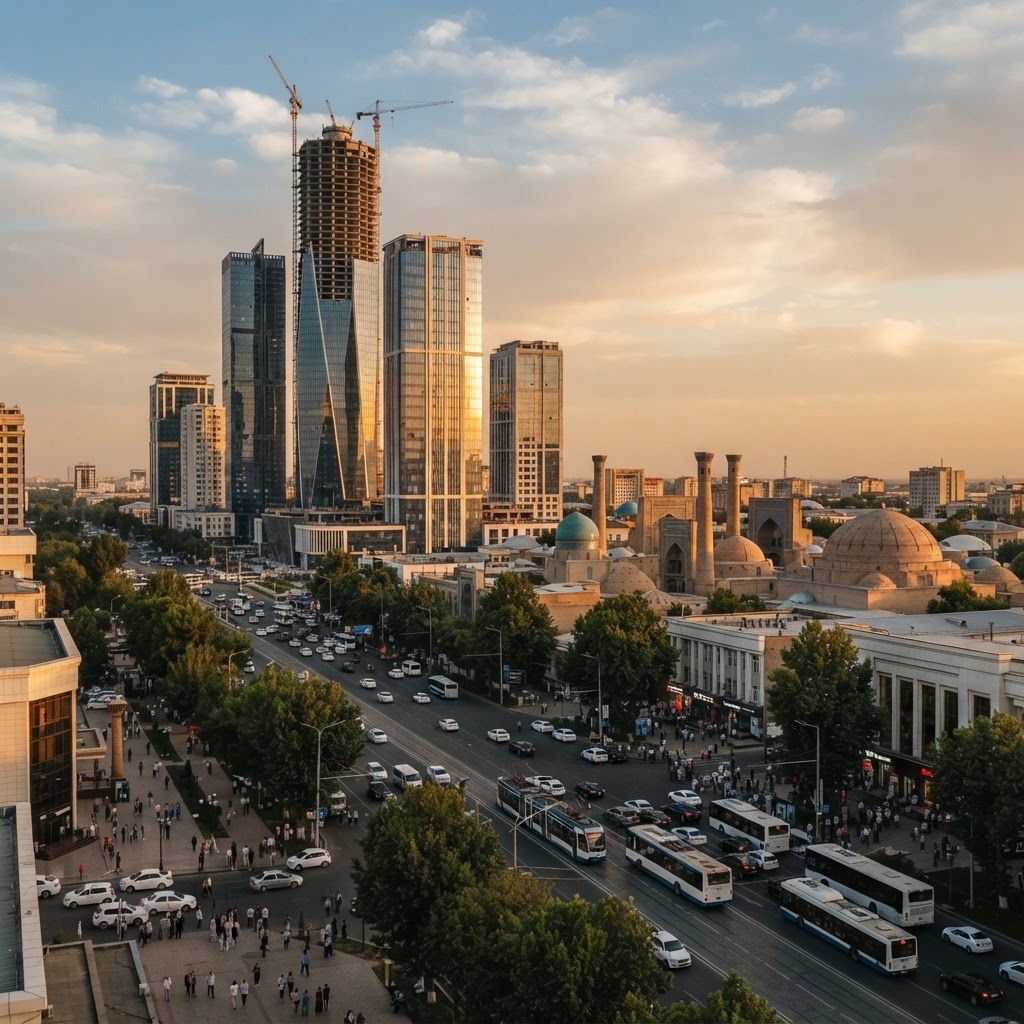
Uzbekistan is consolidating its position as one of Central Asia's fastest-growing economies, driven by surging domestic investment, broad-based industrial expansion, and major structural overhauls. Macroeconomic updates from international lenders indicate that real GDP expanded vigorously through 2025 and is projected to sustain momentum through 2026, supported by high internal demand, dynamic construction activity, and expanding services.
The country's sustained performance has brought substantial social dividends. Official and international data show that national poverty rates declined significantly from 8.9% to 5.8%, assisted by strong wage gains that favored lower-income households. The reduction in income disparity and improvements in living standards align directly with Tashkent's overarching National Development Strategy, which aims to elevate the nation into upper-middle-income status and eliminate extreme poverty before the end of the decade.
Financial stabilization has accompanied the country's economic expansion. Headline consumer inflation has trended steadily downward, falling into single digits as past energy tariff shocks faded and the central bank maintained a disciplined policy stance. Concurrently, international reserves expanded substantially, reinforced by buoyant revenues from key exports such as precious metals, agricultural goods, and manufactured fertilizers, alongside strengthening domestic currency reserves.
Nevertheless, global financial organizations emphasize the need for continued vigilance against external headwinds. Because the country remains an energy importer for specific fuels, regional conflicts and volatile oil markets pose potential spillover risks that could elevate import costs or fuel supply pressures. Analysts also point to slowing trade growth in traditional trading partners as an ongoing challenge that underscores the urgency of diversifying foreign trade corridors.
To ensure enduring resilience, state leadership and multilateral partners are prioritizing private enterprise and market liberalizations. Projects underway focus on modernizing critical infrastructure, privatizing state commercial assets, and expanding green energy capacity. Officials maintain that sustaining robust economic growth remains indispensable for generating quality employment for the nation's rapidly growing population.
RELATED DISPATCHES
Discussion (0)
No comments yet. Be the first to join the discussion.