Uzbekistan Strengthens Global Partnerships Amid Rapid Economic Expansion
Robust growth, expanding reserves, and a landmark partnership with India underscore Uzbekistan's rising regional influence.
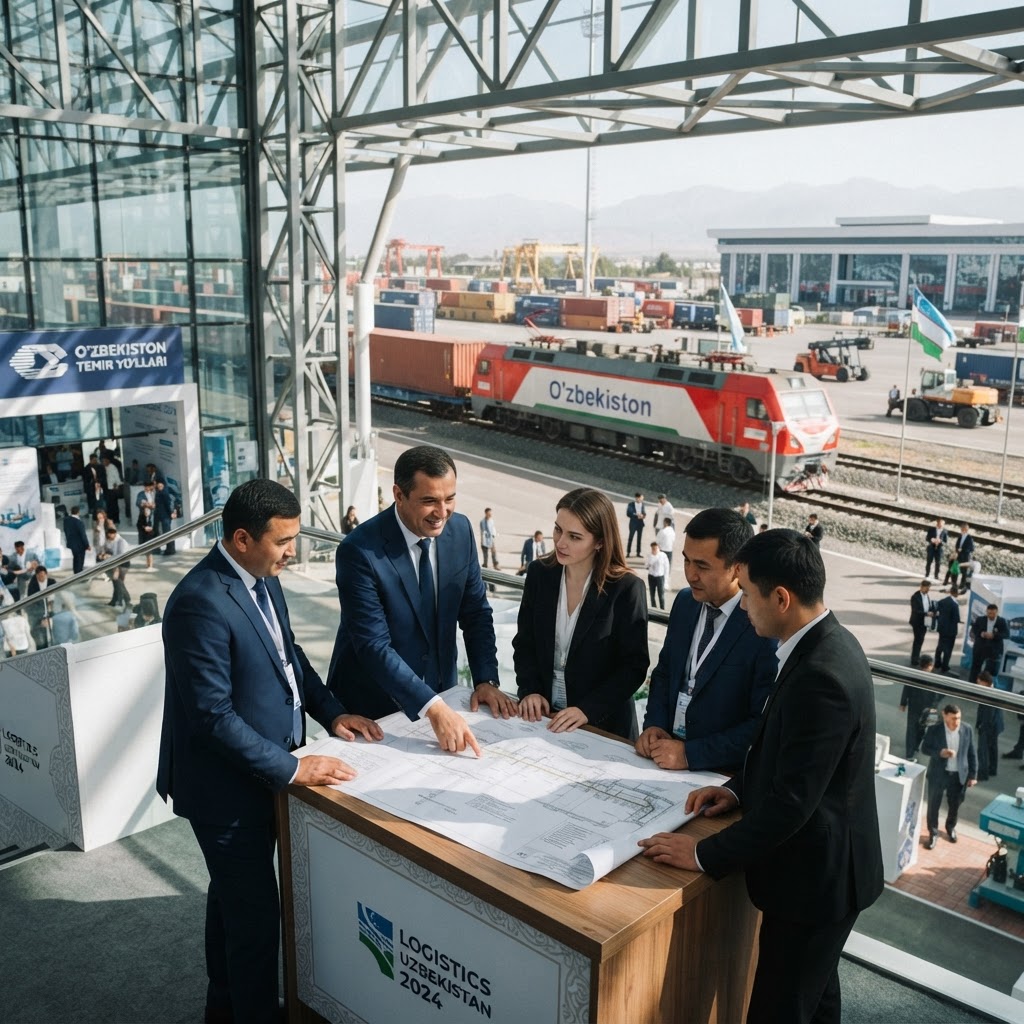
Uzbekistan is accelerating its economic momentum and broadening its international trade footprint, backed by strong macroeconomic fundamentals, major multilateral backing, and upgraded bilateral ties across Asia.
According to the latest figures from the World Bank, the nation experienced substantial gains across multiple sectors, spurred by rising exports in gold, metals, fertilizers, and consumer products, as well as climbing investment and wage growth. The country's international reserves climbed to $70 billion, largely supported by physical gold holdings, while the national poverty rate dropped sharply to 5.8%, reflecting broad-based household income increases.
Simultaneously, international development institutions such as the Multilateral Investment Guarantee Agency (MIGA) have expanded their commitments, maintaining a $730 million portfolio to enhance Uzbekistan's energy security, expand access to finance for small and medium-sized enterprises, and catalyze private sector investments. Projections by regional financial monitors, including the Eurasian Development Bank, forecast that Uzbekistan will sustain GDP growth above 6% through the coming years, placing it consistently among the top economic performers across Central Asia.
On the diplomatic front, Tashkent has broadened its foreign economic strategy by elevating ties with India to a comprehensive strategic partnership. During high-level engagements, both governments set an ambitious $5 billion trade target, formalizing joint agreements covering defense industry co-development, pharmaceuticals, agro-industry, and cross-border payment connectivity. The push aims to position Uzbekistan as a strategic crossroads for Asian trade and logistics.
As the most populous nation in Central Asia with approximately 37 million citizens, Uzbekistan's strategic reforms and diversification away from raw commodities toward high-value manufacturing and services continue to draw foreign direct investment, solidifying its position as an engine of regional development.
RELATED DISPATCHES
Discussion (0)
No comments yet. Be the first to join the discussion.