Uzbekistan Accelerates Global Integration as Economic Growth Forecasts Hit 6.7%
Tashkent intensifies efforts to join the World Trade Organization by 2026 while reporting significant gains in international trade and social reform.

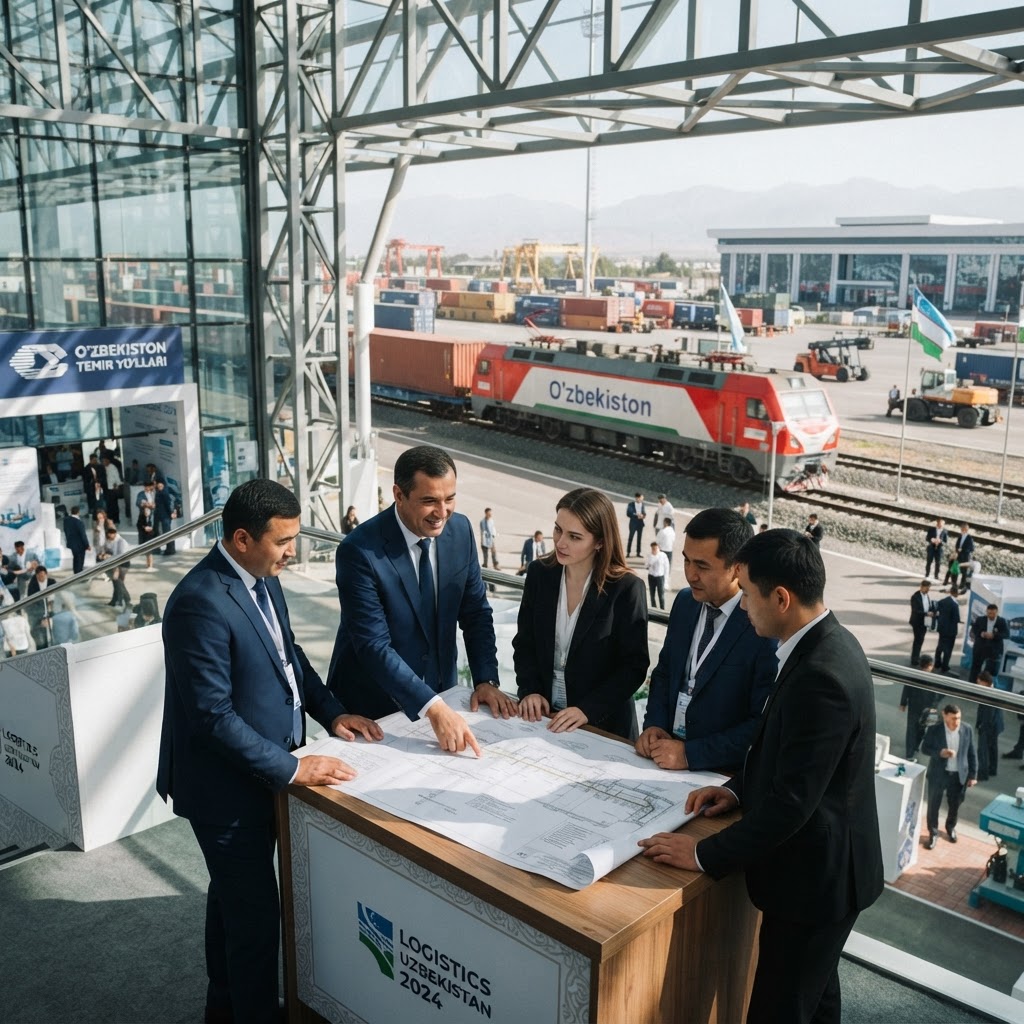
Uzbekistan is currently navigating a period of significant transformation, with international financial institutions projecting a sustained economic expansion through 2027. According to recent data from the Asian Development Bank, the nation’s gross domestic product is expected to grow by 6.7% in 2026, fueled by a surge in the services sector and increased foreign investment. This follows a period of robust performance where trade, logistics, and tourism emerged as primary drivers of the domestic economy.
A critical component of this growth is the country's aggressive pursuit of World Trade Organization (WTO) membership. The government has reaffirmed its commitment to finalizing accession negotiations by 2026, a move intended to further liberalize the market and attract high-value global partners. This ambition is supported by a reported $41 billion trade turnover in the first half of 2026, reflecting a 7.4% year-on-year increase.
Beyond macroeconomic figures, Uzbekistan has gained international recognition for its legislative reforms regarding gender equality. The World Bank recently identified the country as one of the top five global improvers in its "Women, Business and the Law" study. These advancements are attributed to the adoption of a new Labor Code and the implementation of stricter protections against domestic violence, which have collectively enhanced the economic rights of women across the republic.
On the diplomatic front, Tashkent is actively diversifying its economic alliances. Recent initiatives include a proposal to establish a special economic zone for American corporations and a strategic partnership with Singapore focused on digital banking and technology transfer. These moves signal a shift toward high-tech industries and a desire to move away from a reliance on raw material exports toward finished goods production.
However, the path forward is not without challenges. The International Monetary Fund has noted that while growth remains strong, inflationary pressures and rising external debt require careful management. The Central Bank of Uzbekistan continues to implement tight monetary policies to stabilize prices, aiming to reach a long-term inflation target of 5% by 2027.
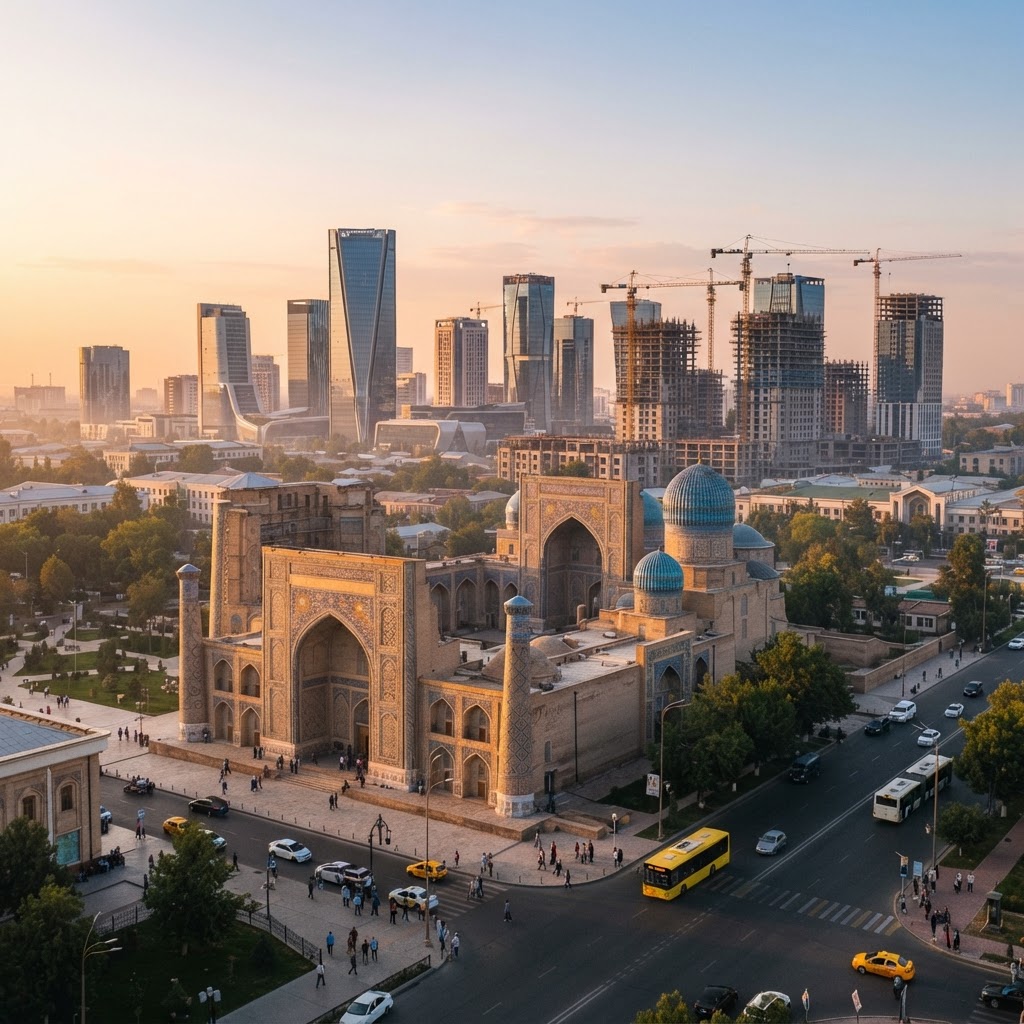
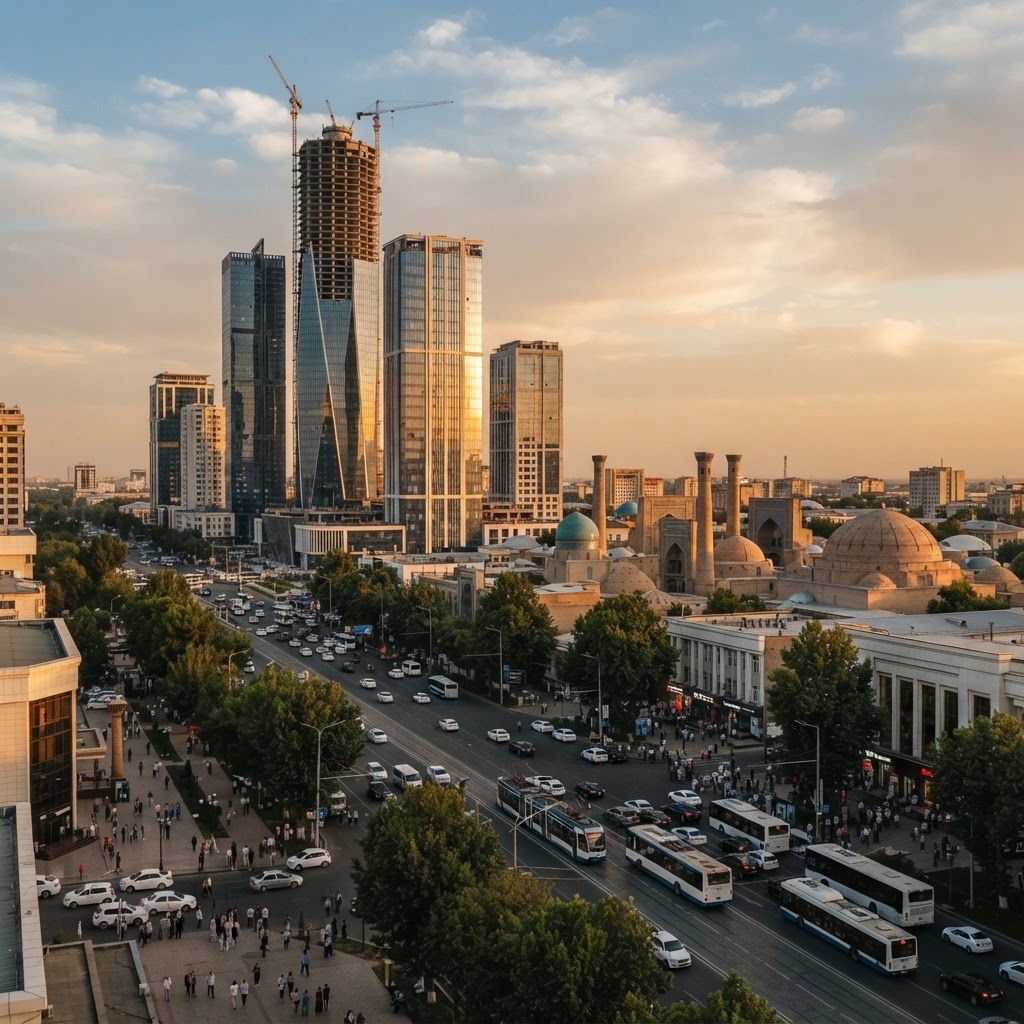
As the nation enters what officials describe as an "Era of National Progress," the focus remains on balancing rapid industrialization with social stability. By integrating into global trade frameworks and modernizing its legal infrastructure, Uzbekistan seeks to solidify its position as a leading economic hub in Central Asia.
RELATED DISPATCHES
Discussion (0)
No comments yet. Be the first to join the discussion.