Uzbekistan Accelerates Global Integration and Green Energy Shift for 2026
Tashkent reports strong economic growth and nears final stages of WTO accession while expanding renewable power capacity.
Uzbekistan is marking its 35th year of independence with a significant economic surge, reporting an 8.5% increase in GDP during the first half of 2026. This growth, fueled by high mineral prices and a booming construction sector, aligns with President Shavkat Mirziyoyev’s objective to reach a $300 billion national economy by the end of the decade. The government is positioning the country to join the ranks of upper-middle-income nations through aggressive structural reforms.
A primary focus of the current administration is securing membership in the World Trade Organization (WTO) by the close of 2026. To meet international standards, officials have updated approximately 190 legislative acts this year alone. With 31 bilateral agreements now finalized, including a recent deal with India, the nation is preparing to open its markets further, ensuring greater transparency for both local and international businesses.
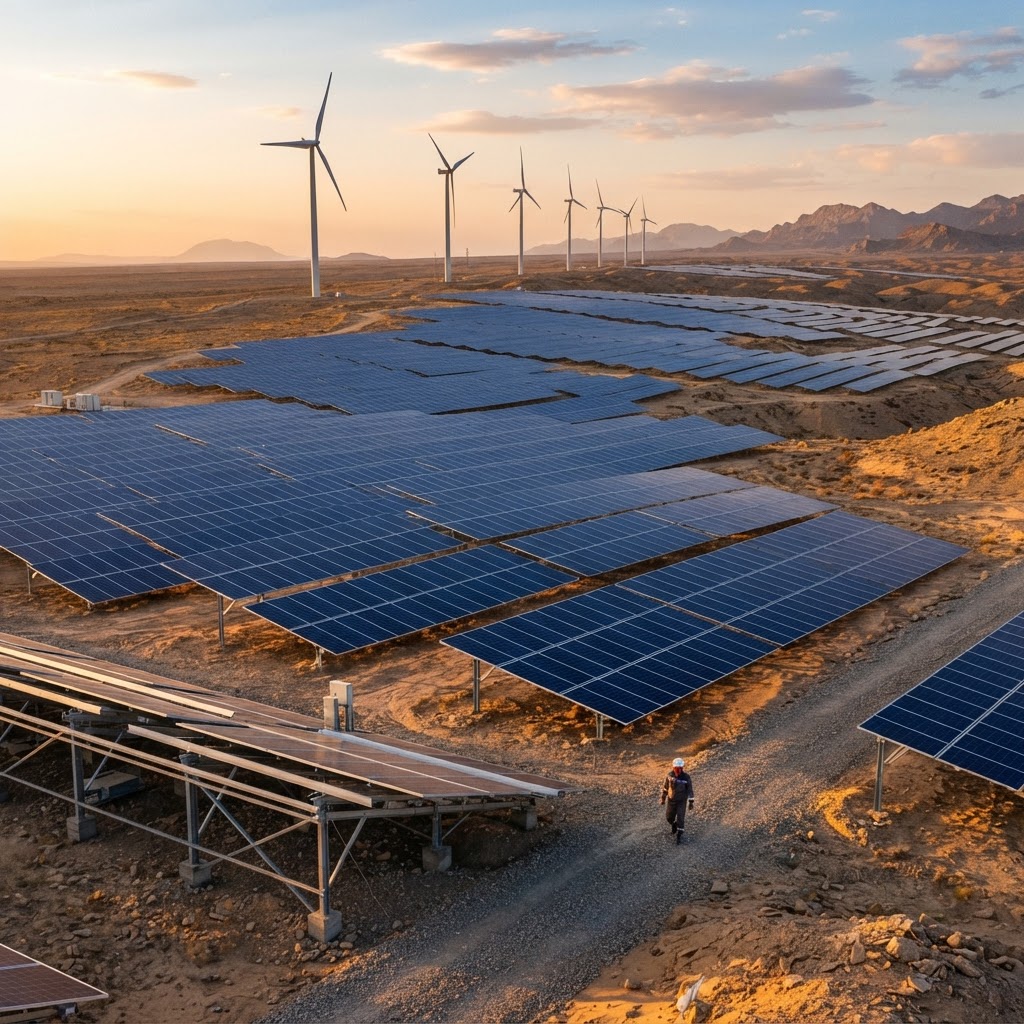
The country is also making rapid strides in its renewable energy transition, with green power generation reaching 7 billion kilowatt-hours in the first seven months of 2026. Currently, the national grid is supported by 15 solar and 6 wind facilities, totaling a capacity of 5,602 megawatts. These efforts have already saved billions of cubic meters of natural gas, moving the nation toward its goal of having renewables account for half of its energy mix by 2030.
Trade logistics are being overhauled under the "Customs of New Uzbekistan – 2030" initiative, which launched at the start of September. The new policy removes previous financial hurdles for importers, such as mandatory prepayments, and will introduce a 30% cut in customs fees this October. These changes are intended to streamline supply chains and make the domestic market more competitive on a global scale.
Demographic shifts are also coming into focus following the 2026 national census, which recorded a population of over 39 million citizens. The data revealed that the informal economy still represents about 23% of the GDP, prompting the development of a National Data Platform scheduled for 2027. This system will help the government better manage fiscal planning and distribute social services more effectively across local neighborhoods.
On the diplomatic front, Tashkent is strengthening ties with partners like Singapore, following a high-level visit from Senior Minister Lee Hsien Loong. The two nations are discussing a free trade agreement as Uzbekistan prepares to lead the Non-Aligned Movement next year. These international collaborations are vital for attracting the $450 billion in foreign investment targeted over the next ten years.
RELATED DISPATCHES

Discussion (0)
No comments yet. Be the first to join the discussion.