Trump Administration Proposes New Tariffs on 14 Trading Partners
The U.S. government is targeting excess manufacturing capacity with a new round of import duties on China, the EU, and other major economies.
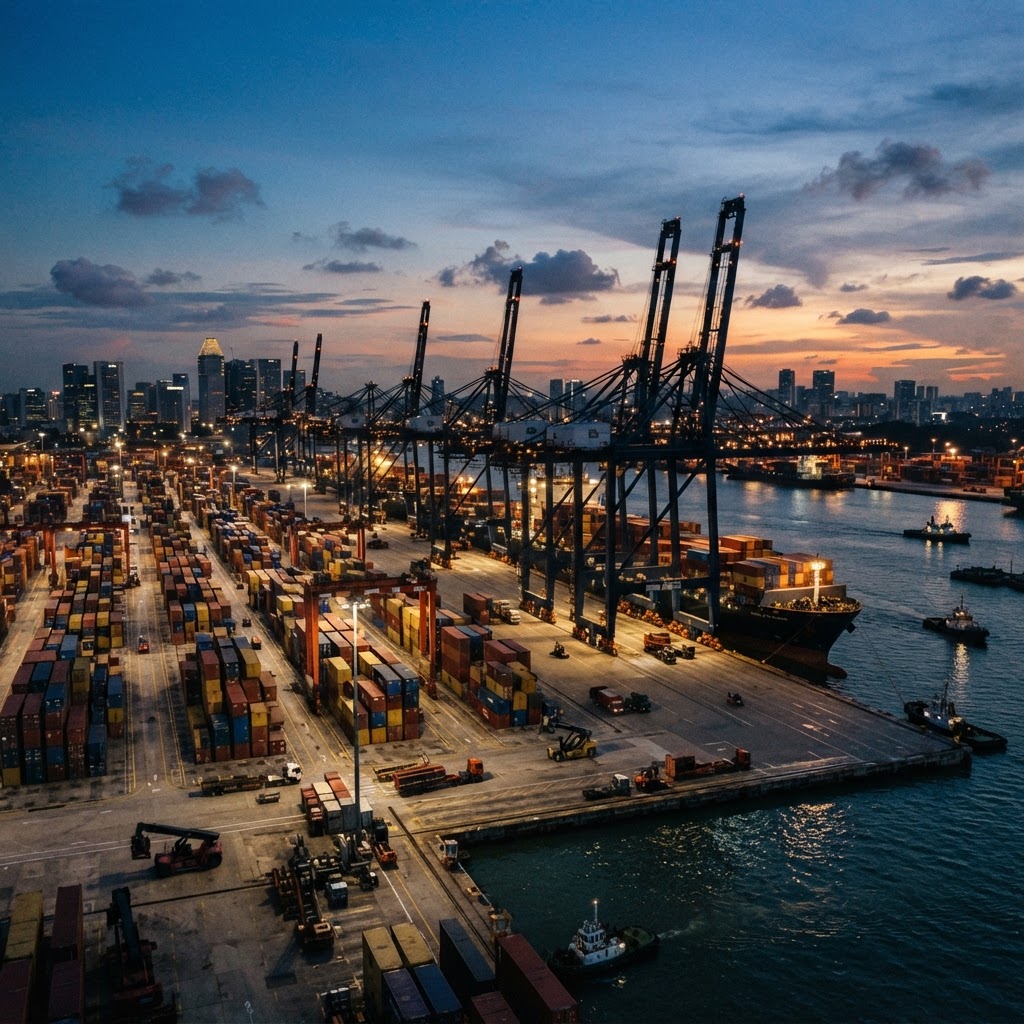
The Trump administration has unveiled a sweeping new proposal for tariffs targeting 14 major trading partners, including China and the European Union. This move follows an eight-month investigation conducted under Section 301 of the Trade Act of 1974, which concluded that these nations contribute to structural excess capacity in manufacturing sectors through unfair policies that burden American commerce. The administration aims to use these measures to protect domestic manufacturers from being undercut by subsidized foreign production.
China faces the most significant impact, with a proposed 20% tariff that would stack on top of existing duties from the president's first term. While this rate aligns with a current bilateral trade truce, officials indicated that the levy could climb to 40% if negotiations fail or commitments are not met. Other nations, such as Vietnam and India, also face tiered tariff structures that depend on the successful finalization of ongoing trade agreements with Washington.
For several key allies, including the European Union, Japan, South Korea, and Taiwan, the administration plans to honor previously negotiated duty ceilings, capping the new tariffs at 15%. Officials emphasized that these proposals are designed to be consistent with existing trade deals rather than acting as a blanket, across-the-board increase. The U.S. Trade Representative’s office noted that these duties are intended to function as a "top up" to address specific economic imbalances.
Despite the scope of the proposal, the administration has opted to exclude Mexico and Norway from this specific round of levies. Additionally, the new duties will not be stacked on top of existing sector-specific tariffs on items like steel and automobiles, nor will they overlap with recent measures related to forced-labor enforcement. The proposed tariffs are not yet final; they are subject to a public comment period and hearings, with implementation potentially beginning in January.
International reaction has been mixed, with the European Commission rejecting the premise that Europe is a source of structural overcapacity. Meanwhile, agricultural experts have expressed concern that these protectionist measures could trigger retaliatory trade actions, potentially impacting U.S. commodity exports and increasing costs for American farmers. The administration maintains that these actions are a necessary step to restore stability and fairness to global trade relationships.
RELATED DISPATCHES


Discussion (0)
No comments yet. Be the first to join the discussion.