Iran Confronts Demographic Decline as Leadership Demands Birth Rate Surge
Supreme Leader Mojtaba Khamenei prioritizes population growth to counter an aging society and economic stagnation.
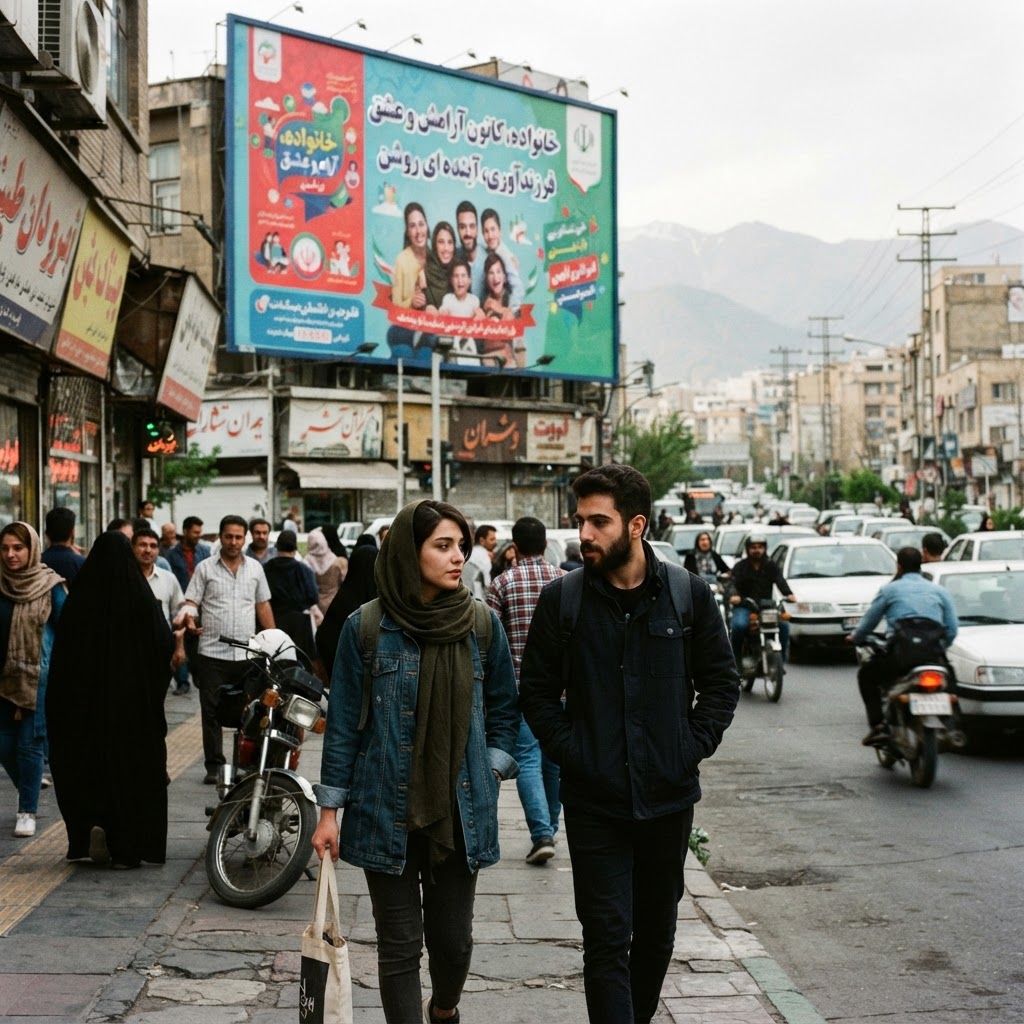
Iran is grappling with a deepening demographic crisis as the nation’s fertility rate continues to plummet, falling to 1.34 children per woman—well below the replacement level of 2.1. Despite years of government-led campaigns, financial incentives, and religious appeals, the country faces a potential long-term population contraction. Officials have warned that without a significant reversal in these trends, the nation’s population could shrink drastically over the coming decades, leaving the country with a rapidly aging citizenry and a shrinking workforce.
Supreme Leader Mojtaba Khamenei has identified population growth as a strategic national priority, framing it as essential for the future of the Islamic Republic. In recent communications, he has urged authorities to prioritize the facilitation of early marriage and the promotion of a family-centered culture. The leadership views a youthful population as a cornerstone of national strength and a necessary component for building a new Islamic-Iranian civilization.
Economic instability remains the primary barrier to these government objectives. High inflation, rising housing costs, and limited job prospects have led many young Iranians to delay or forgo marriage entirely. Data indicates that the number of annual marriages has dropped significantly over the last decade, and couples are waiting longer than ever to start families. This reluctance is compounded by a broader sense of uncertainty regarding the future, which persists despite state-sponsored programs offering maternity support and child-rearing loans.
Beyond the immediate economic hurdles, the country is bracing for the social impact of an aging population. Projections suggest that the proportion of citizens over the age of 60 will rise sharply by 2051, placing immense pressure on healthcare systems and elderly care infrastructure. As the number of younger caregivers declines, the government’s push for larger families is increasingly framed as a vital measure to prevent a future collapse of social support systems.
While the state continues to implement policies under the Family Protection and Youthful Population Law—including restrictions on contraception and increased support for mothers—the gap between official policy and the reality of daily life for young Iranians remains wide. As the nation navigates this demographic shift, the tension between state-mandated growth and the private choices of a struggling generation continues to define the country's social landscape.
RELATED DISPATCHES



Discussion (0)
No comments yet. Be the first to join the discussion.