Supreme Court to Review Key Trump Immigration Policies
The high court will determine the legality of major border restrictions and detention mandates.
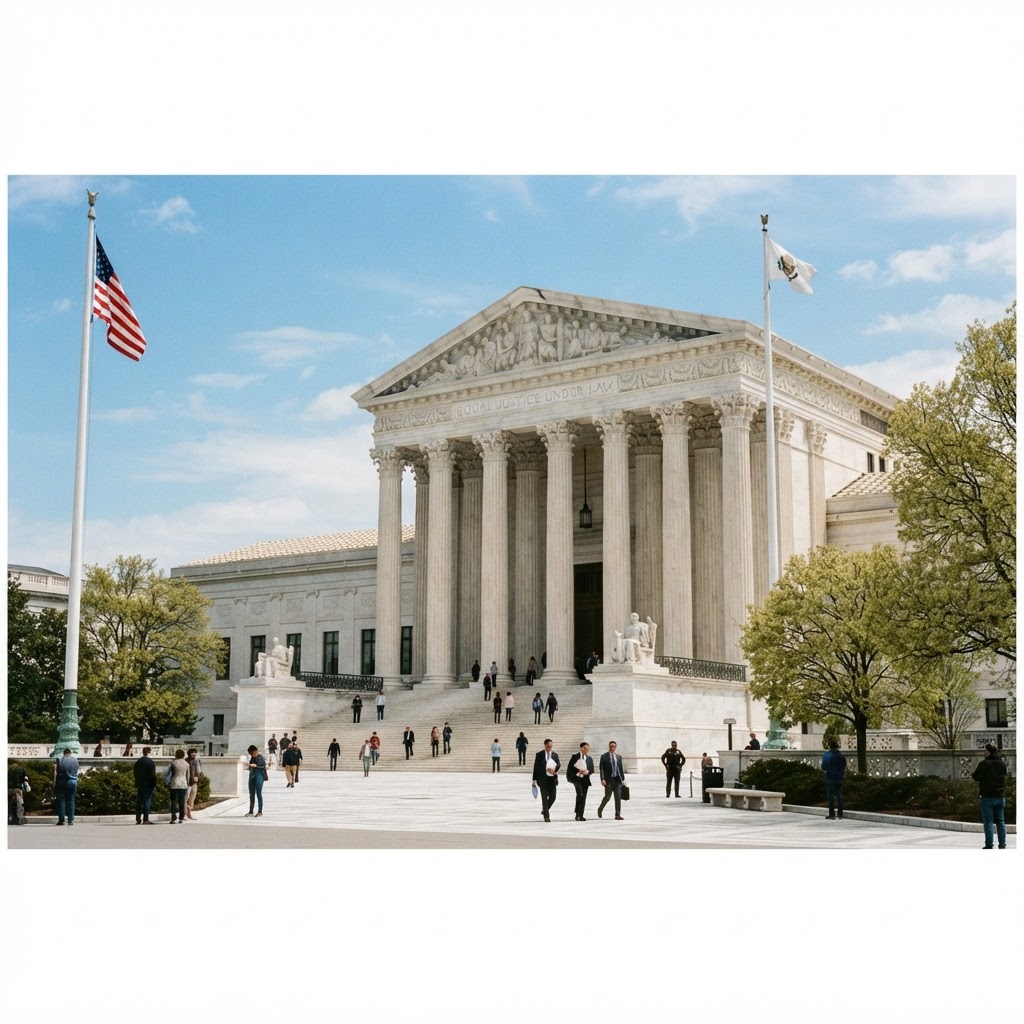
The U.S. Supreme Court has agreed to hear several high-stakes cases that will define the scope of President Donald Trump’s immigration agenda. Among the most significant is a challenge to a presidential proclamation that effectively halts asylum applications for individuals crossing the southern border. The justices are expected to hear arguments in the spring of 2027 regarding whether the administration exceeded its legal authority by using executive power to bypass established congressional procedures for asylum seekers.
This legal battle, known as Mullin v. RAICES, centers on whether the president can unilaterally suspend asylum access through executive order. Lower courts, including the U.S. Court of Appeals for the D.C. Circuit, previously ruled that the administration’s policy was unlawful, arguing that it improperly circumvented the Immigration and Nationality Act. While the case proceeds, the contested asylum restrictions remain in effect due to a stay on the lower court's mandate.
In addition to the asylum dispute, the Supreme Court is set to address the administration's mandatory detention policy. This policy, which has faced widespread legal challenges, requires the detention of millions of immigrants who entered the country illegally while their deportation proceedings are underway. The Court will examine whether this approach aligns with federal statutes or if it violates the rights of those seeking to remain in the U.S. while their cases are processed.
These cases represent a critical test of executive authority versus legislative intent. Legal experts note that the outcome will have profound implications for how the government manages border security and the rights of non-citizens. As the judiciary prepares to weigh in, the administration maintains that its policies are necessary to secure the border, while advocates argue that the measures undermine fundamental protections for those fleeing persecution.
Beyond these primary disputes, the Court is also reviewing other immigration-related matters, including questions regarding green card eligibility for individuals whose asylum status has been terminated. With multiple cases on the docket, the Supreme Court’s upcoming rulings are poised to reshape the landscape of U.S. immigration law for the remainder of the administration's term.
RELATED DISPATCHES



Discussion (0)
No comments yet. Be the first to join the discussion.