Supreme Court Rulings Reshape 2026 Midterm Landscape
A series of high-court decisions has fundamentally altered redistricting, voting procedures, and campaign regulations ahead of the midterm elections.
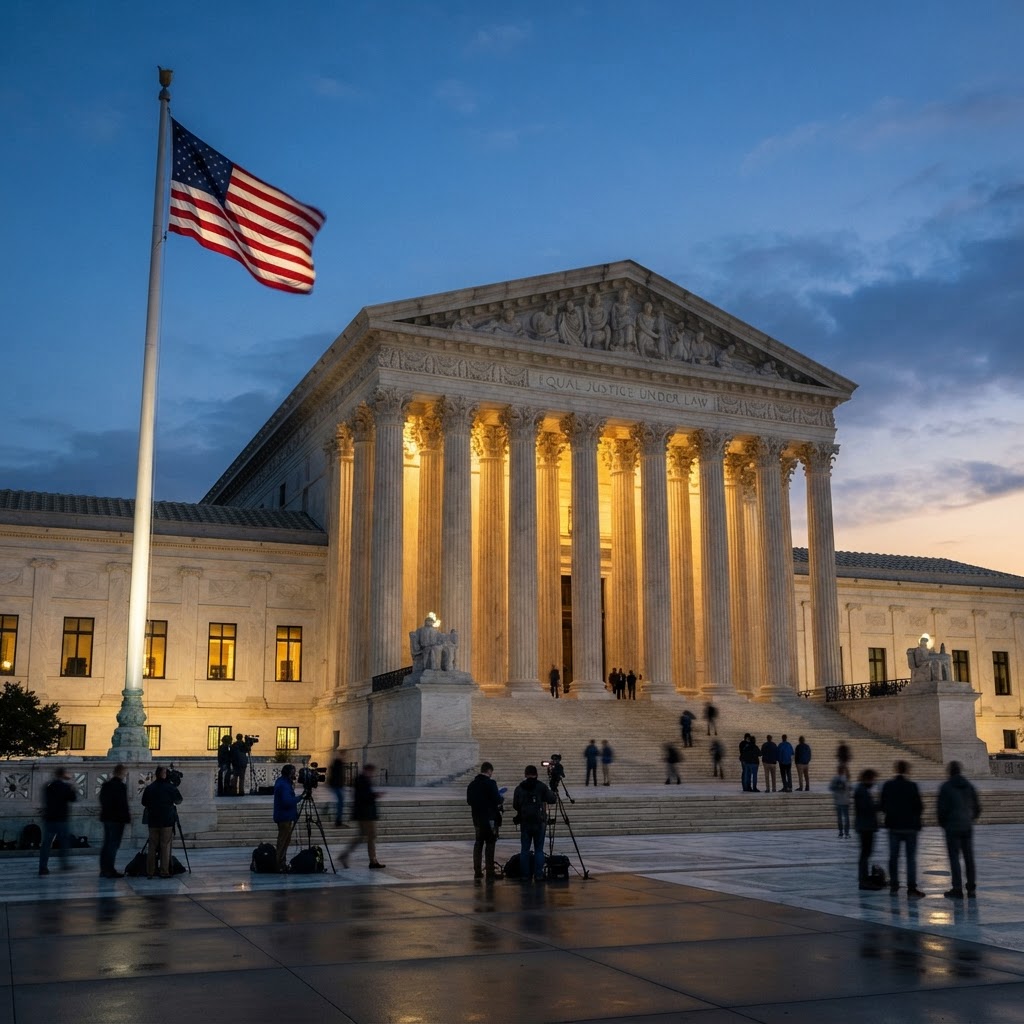
The 2026 midterm elections are unfolding under a legal framework significantly redefined by the Supreme Court. With a 6-3 conservative majority, the high court has issued a series of landmark rulings that have touched upon nearly every aspect of the electoral process, from how districts are drawn to the rules governing mail-in ballots. These interventions have sparked intense debate regarding the judiciary's role in shaping political outcomes.
Among the most consequential actions was the court's decision to weaken a core component of the Voting Rights Act of 1965, a move that has drawn sharp criticism from liberal justices. This shift, combined with various rulings on redistricting maps, has been viewed by analysts as providing a structural advantage to Republican candidates in several key congressional races. The cumulative effect of these map adjustments is expected to influence the balance of power in the House of Representatives.
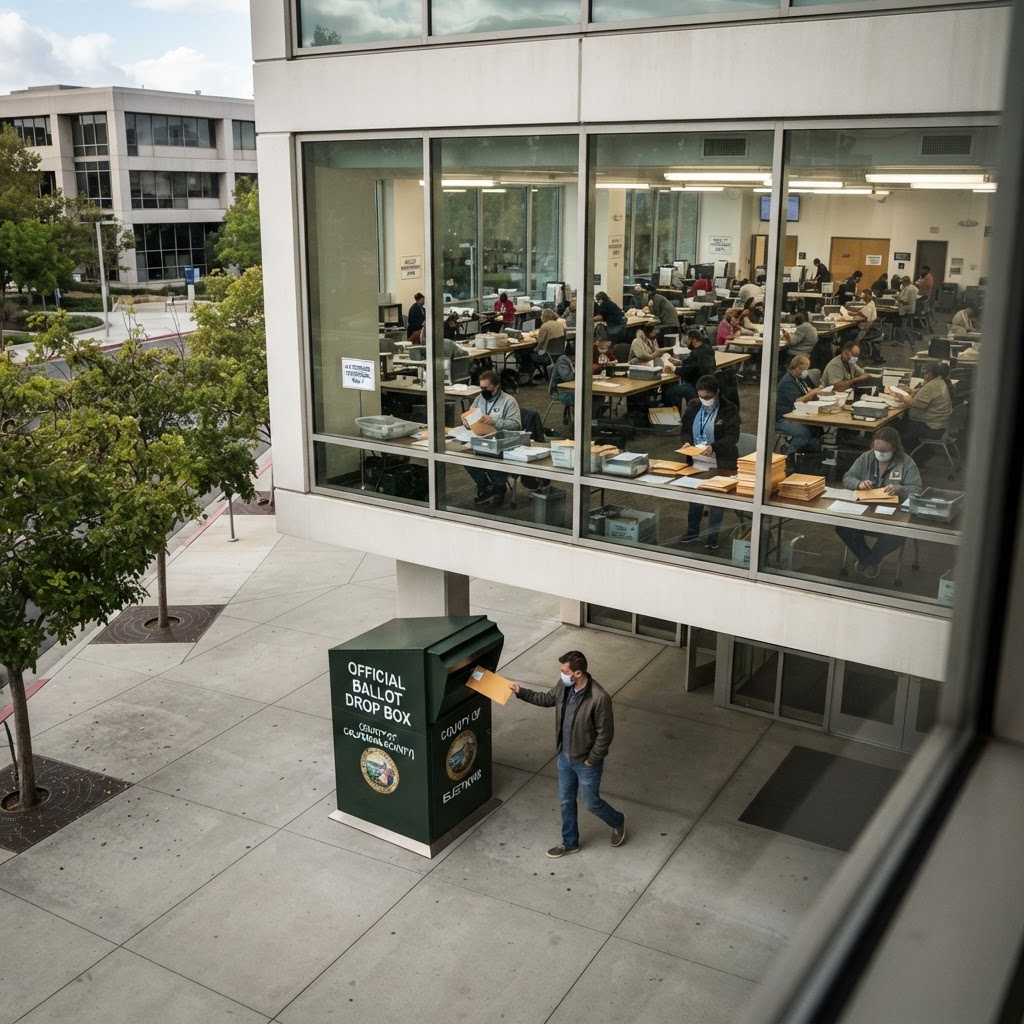
Procedural battles over voting methods have also reached the Supreme Court's docket. In a notable instance, the court declined to uphold efforts to restrict mail-in voting, a method frequently utilized by Democratic voters. However, the court did issue a 5-4 ruling that permits states to accept mail ballots received shortly after Election Day, a decision that maintains existing state-level flexibility despite broader challenges to election administration.
While some observers argue that the immediate impact of these rulings on the final election results may be limited, others contend that the long-term consequences are profound. The court's influence extends to campaign finance regulations and efforts to verify voter eligibility, ensuring that the judiciary remains a central player in the electoral cycle. As voters head to the polls, the fingerprints of the Supreme Court are evident in the very rules that define the contest.
RELATED DISPATCHES
Discussion (0)
No comments yet. Be the first to join the discussion.