Partisan Divide Shapes Healthcare Debate Ahead of Midterms
Democrats emphasize rising costs while Republicans prioritize cracking down on government health program fraud.
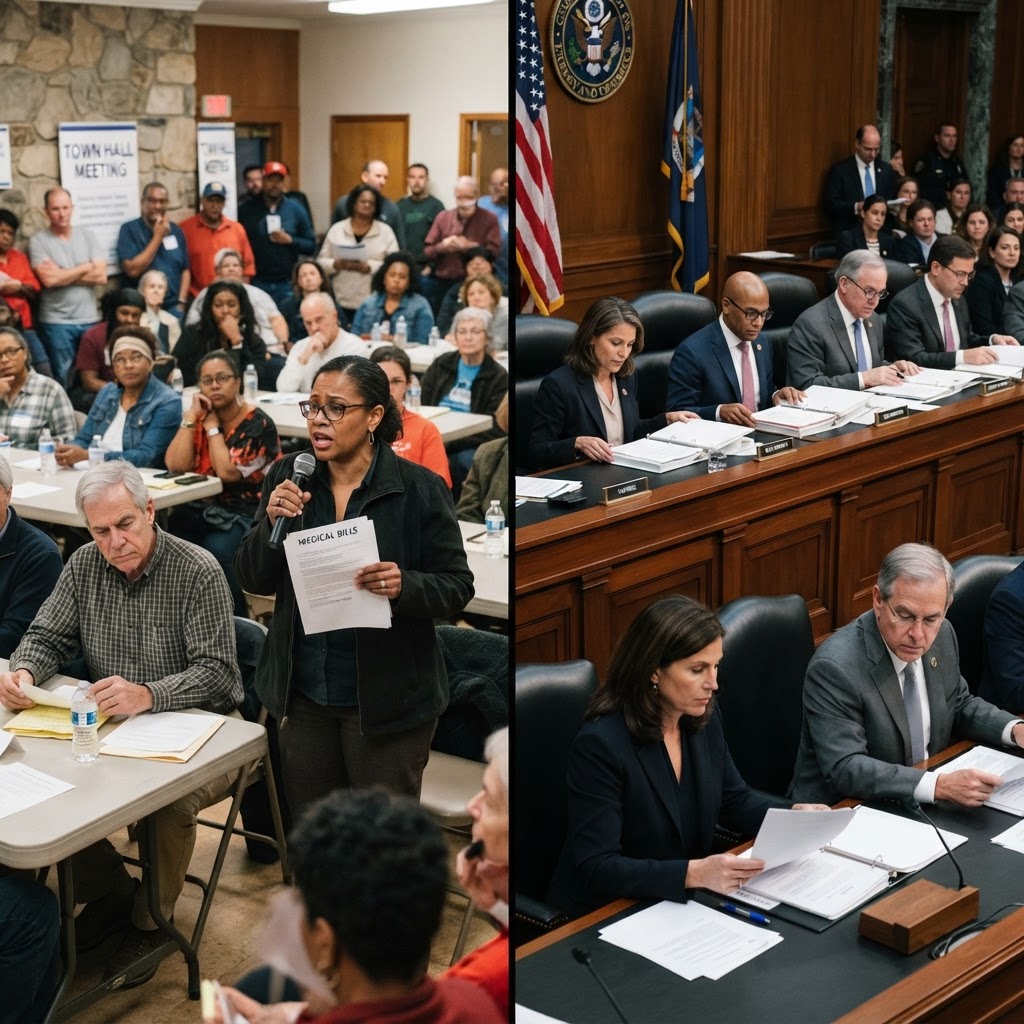
As the midterm elections approach, the two major political parties are presenting voters with starkly different visions for the future of the American healthcare system. Recent polling indicates that while healthcare remains a top-tier concern for the electorate, the specific focus of that concern is deeply divided along partisan lines. Democrats are largely centering their campaign messaging on the affordability crisis, highlighting the financial strain of insurance premiums and out-of-pocket expenses on families. Conversely, Republicans are directing their energy toward fraud prevention within government-funded programs like Medicare and Medicaid, framing it as a necessary step to ensure fiscal responsibility.
For Democratic candidates, the narrative is built around the idea that healthcare should be more accessible and less expensive. They argue that the current system is burdened by corporate greed and that legislative efforts should focus on lowering costs for consumers. By emphasizing the future of the Affordable Care Act and the stability of public health programs, Democrats aim to appeal to voters who are struggling with medical debt and the rising cost of living. They frequently characterize Republican-led investigations into fraud as politically motivated maneuvers designed to justify deep cuts to essential social services.
Republicans, meanwhile, have made the identification and elimination of waste and abuse a cornerstone of their legislative agenda. Supporters of this approach argue that government health programs are susceptible to significant exploitation, and they contend that aggressive oversight is required to protect taxpayer dollars. By holding numerous hearings and proposing new anti-fraud measures, GOP lawmakers are attempting to shift the conversation away from general cost concerns and toward the integrity of federal spending. They maintain that reducing fraud is a critical component of broader efforts to stabilize the economy and manage the national budget.
This strategic divergence reflects a broader disagreement over the role of government in healthcare. While a majority of voters across the political spectrum acknowledge that fraud exists, they are split on whether it should take precedence over expanding access to care. Surveys suggest that while Republicans are highly focused on fraud, Democratic and independent voters are more likely to prioritize the immediate financial impact of healthcare costs. As the election nears, both parties are doubling down on these distinct messages, hoping to convince voters that their specific approach is the most effective way to address the nation's complex health policy challenges.
RELATED DISPATCHES



Discussion (0)
No comments yet. Be the first to join the discussion.