The Trump Administration’s Overhaul of Federal Scientific Research
New policies and funding shifts are raising concerns about the politicization of American scientific inquiry.
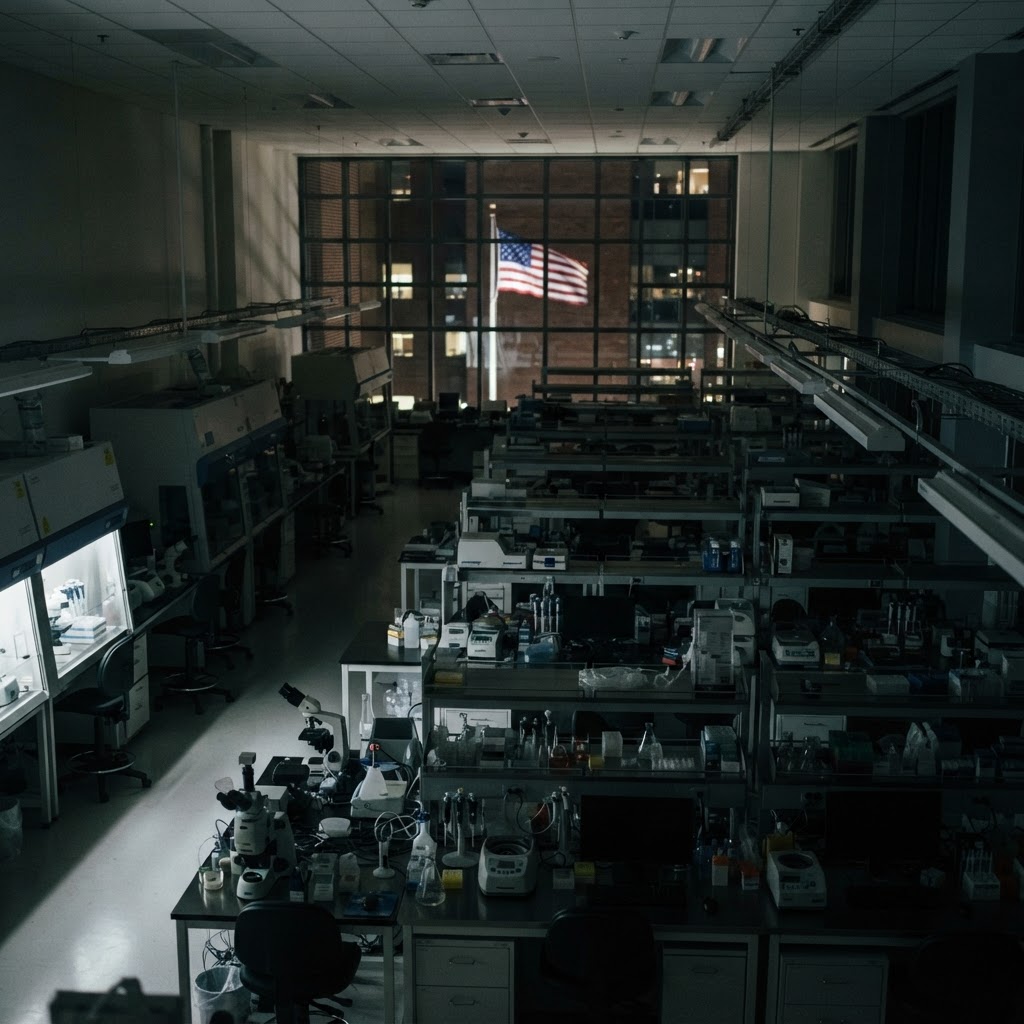
The United States scientific research infrastructure is currently undergoing a period of profound transformation under the Trump administration. Recent policy shifts, including proposed rules from the Office of Management and Budget, aim to grant political appointees greater oversight regarding how over $1 trillion in federal research funding is distributed. Critics argue that these changes threaten to replace traditional, merit-based peer review processes with a system driven by political priorities, potentially undermining the independence that has long fueled American innovation.
Beyond grantmaking, the administration has taken steps to reshape the workforce and priorities of federal laboratories. Reports indicate that defense research facilities have experienced significant staff departures, while other agencies face pressure to align their research agendas with the president’s policy goals. This includes a push to restrict funding for specific areas of study, such as climate change, while prioritizing others like artificial intelligence and quantum computing.
New directives have also introduced stricter oversight for life sciences research. The Department of Health and Human Services recently announced a policy to halt federal support for high-risk gain-of-function studies, citing a need for enhanced biosafety and biosecurity. While the administration frames these measures as essential for public safety and transparency, members of the scientific community worry that such restrictions, combined with proposed caps on publication costs and limitations on international collaboration, could stifle academic freedom and global scientific exchange.
Financial pressures are further complicating the landscape, with the administration repeatedly proposing substantial budget cuts for major research agencies. These efforts have faced resistance in Congress, yet the ongoing uncertainty regarding funding levels and the potential for a new board to oversee National Institutes of Health grants have created a climate of apprehension. Observers warn that these systemic changes could have long-term consequences for the nation’s ability to develop medical treatments, maintain technological leadership, and foster a diverse environment for intellectual inquiry.
RELATED DISPATCHES


Discussion (0)
No comments yet. Be the first to join the discussion.