Shifting Tides: White Working-Class Voters Lean Left in Midterms
Economic anxieties and dissatisfaction with current leadership drive a notable realignment among a key demographic.
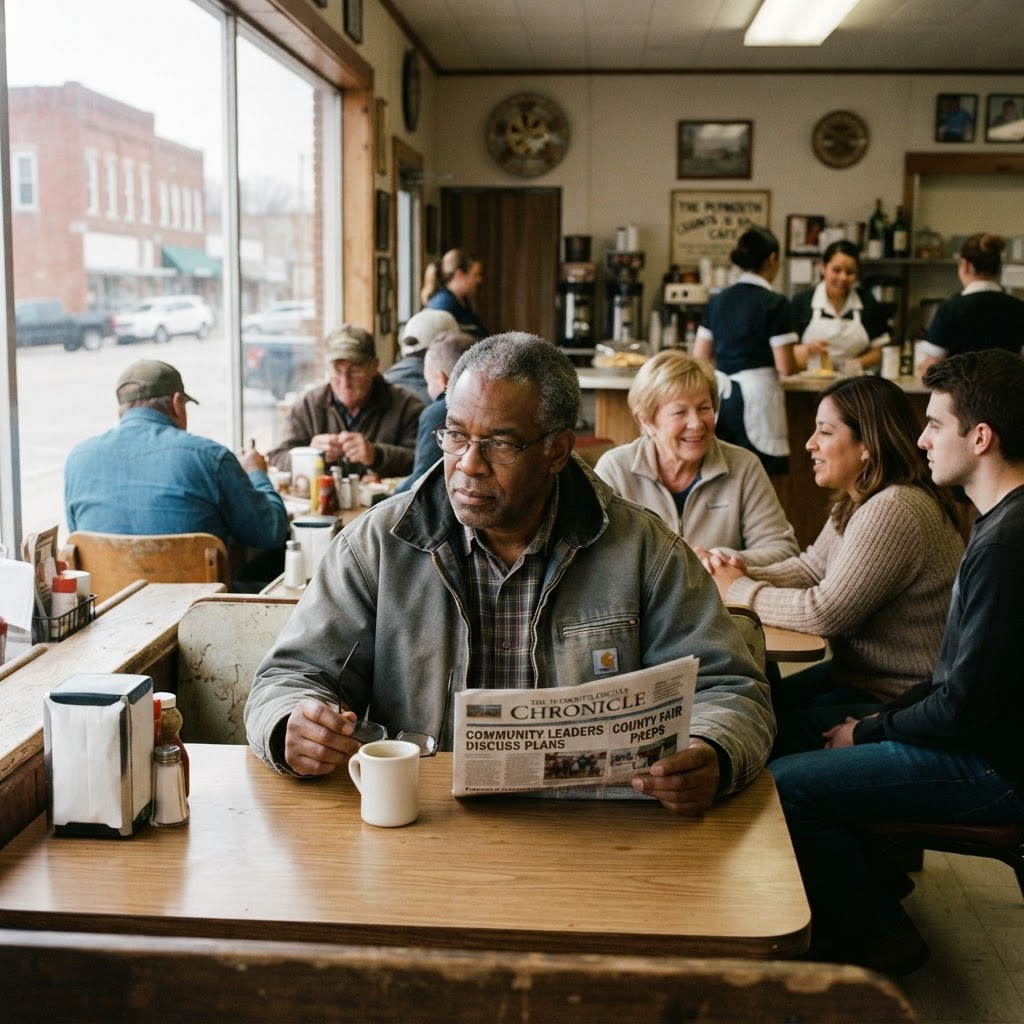
In a significant departure from recent electoral patterns, white voters without college degrees—a demographic that served as a bedrock for the Republican Party during the Trump era—demonstrated a measurable shift toward the Democratic Party in the latest midterm elections. This movement represents a departure from the trends observed in 2024, signaling that the traditional political allegiances of the American working class are becoming increasingly fluid.
Interviews with voters across the country suggest that the primary catalyst for this change was a heightened focus on personal economic stability. Many participants expressed deep frustration over the rising cost of living, specifically pointing to the impact of tariffs and the ongoing conflict in Iran as major contributors to their financial strain. For these voters, the promise of economic relief, which many had previously associated with Republican leadership, failed to materialize, leading them to reconsider their partisan loyalties.
Political analysts note that the Democratic strategy in several key contests played a role in this transition. Candidates who emphasized their own working-class backgrounds and framed policy debates as a struggle between the interests of everyday workers and the wealthy appeared to resonate more effectively. By focusing on tangible issues like food and fuel prices, these campaigns managed to break through the partisan divide that has defined recent election cycles.
While the long-term durability of this shift remains uncertain, the results highlight a growing vulnerability for the Republican coalition. The data suggests that the working-class vote is no longer a monolithic block, and that future electoral success will likely depend on a party's ability to address the immediate, practical concerns of households struggling with inflation and global instability. As the political landscape continues to evolve, both parties are now forced to re-evaluate their outreach strategies to this critical segment of the electorate.
RELATED DISPATCHES
Conservative Judicial Influence Shapes Church-State Legal Landscape
4 hours 42 minutes ago
Judge Names Special Master to Probe Government Lawyers in Golf Course Dispute
4 hours 42 minutes ago
US Seeks Intelligence on Iran’s Nuclear Program with $20 Million Bounty
4 hours 43 minutes agoDiscussion (0)
No comments yet. Be the first to join the discussion.