Conservative Judicial Influence Shapes Church-State Legal Landscape
Recent Supreme Court proceedings underscore a consistent trend toward prioritizing religious liberty claims.
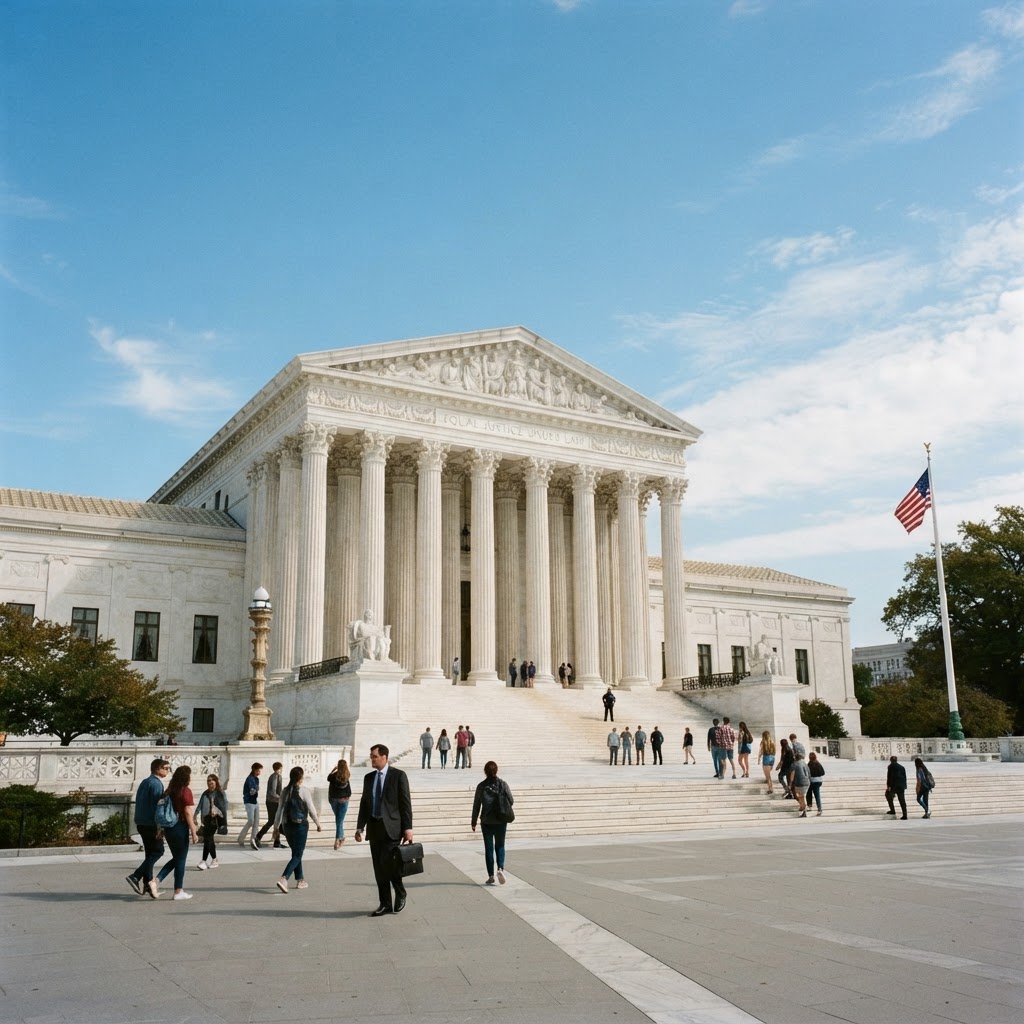
The Supreme Court’s recent docket has once again highlighted the enduring influence of conservative justices on the interpretation of American law. As the bench considers cases involving the intersection of religious institutions and state-funded programs, observers note a clear pattern of the court favoring arguments that bolster the Free Exercise Clause. This trend serves as a potent reminder of the current majority's capacity to reshape the boundaries between government policy and religious practice.
At the center of current debates is a challenge involving Catholic preschools in Colorado, which are seeking exemptions from state nondiscrimination requirements while still receiving public funding. During oral arguments, the court’s conservative majority appeared receptive to the idea that conditioning state support on the acceptance of LGBTQ+ families infringes upon the religious autonomy of these institutions. This case is viewed by legal scholars as the latest in a series of victories for religious litigants over the past decade.
This shift represents a departure from earlier judicial standards that once emphasized a stricter separation of church and state. Over the last several years, the court has systematically dismantled barriers that previously prevented religious entities from accessing public funds, citing the need to protect religious organizations from discriminatory treatment. These rulings have effectively lowered the threshold for religious groups to participate in state-sponsored initiatives without compromising their internal doctrines.
Critics and liberal justices have expressed concern that this trajectory is undermining the traditional concept of church-state separation. They argue that the court is increasingly granting a special status to religious interests, potentially at the expense of broader equality goals and secular governance. Conversely, supporters of the court's direction maintain that these decisions are essential to correcting historical biases against religious expression in the public square.
As the court prepares to address further cases regarding zoning, religious meetings, and educational funding, the legal community remains focused on the long-term implications of this conservative grip. With a solid majority, the justices continue to move American law in a direction that prioritizes religious liberty as a foundational right, signaling that this judicial philosophy will likely remain the dominant force in the nation's legal system for the foreseeable future.
RELATED DISPATCHES


Discussion (0)
No comments yet. Be the first to join the discussion.