Senate Rejects Landmark Crypto Legislation
The Clarity Act fails to advance amid intense scrutiny over President Trump's personal digital asset holdings.
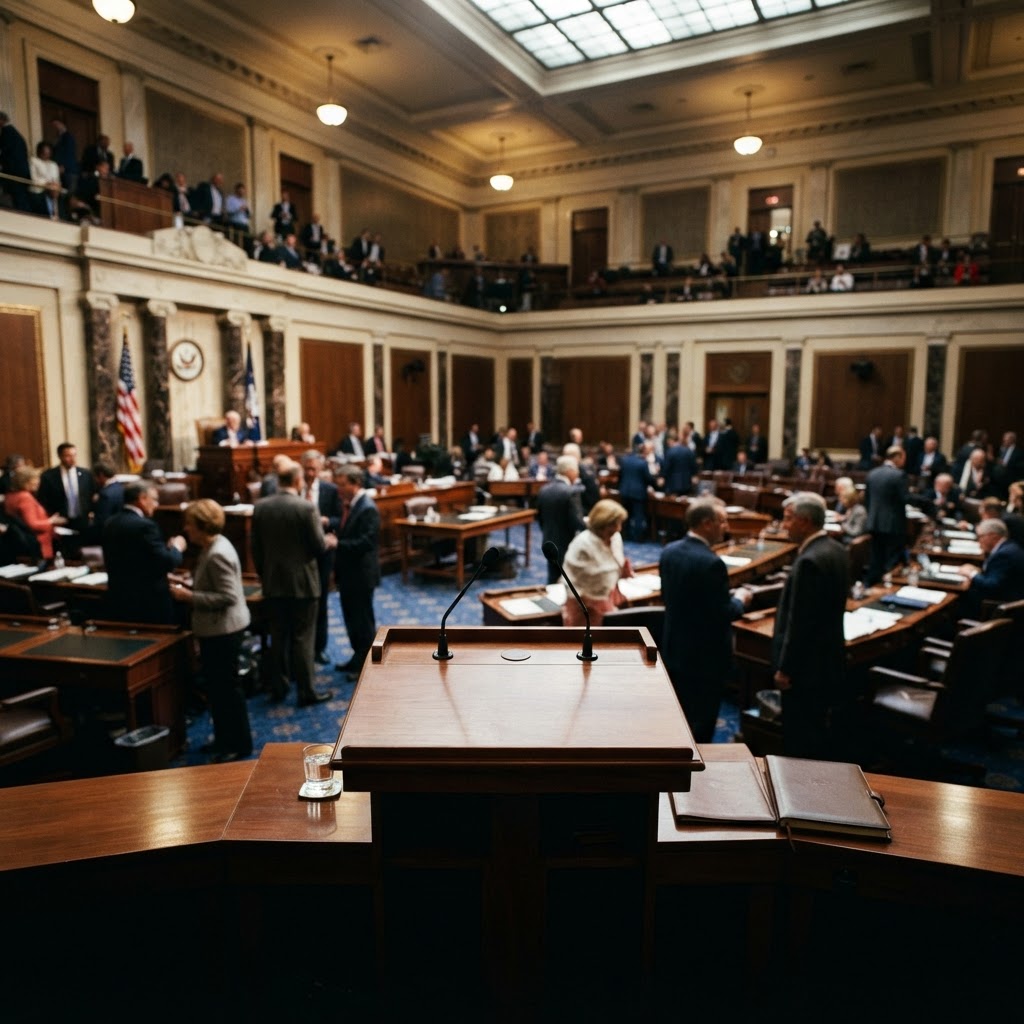
In a significant setback for the digital asset sector, the U.S. Senate has blocked the Digital Asset Market Clarity Act, effectively stalling a comprehensive effort to establish a new regulatory framework for the $2.3 trillion cryptocurrency industry. The procedural vote, which took place on September 15, 2026, fell 10 votes short of the 60-vote threshold required to move the legislation forward, ending with a 49-50 tally.
The proposed bill was designed to divide oversight responsibilities between the Securities and Exchange Commission (SEC) and the Commodity Futures Trading Commission (CFTC). Additionally, the legislation aimed to implement rigorous registration requirements and bolster anti-money laundering protections. Despite significant lobbying efforts and substantial campaign contributions from industry stakeholders, the bill failed to secure the necessary bipartisan support.
A primary point of contention during the legislative process involved President Donald Trump’s personal investments in the cryptocurrency market. Democratic lawmakers, joined by three Republicans, expressed deep concerns regarding potential conflicts of interest, ultimately demanding stricter limitations on the President's financial involvement in the sector before they would consider supporting the measure.
Senator Bernie Moreno, a key architect of the bill, expressed frustration following the vote, describing it as a disappointing day for the Senate after months of intensive negotiations. The failure of the act leaves the current regulatory landscape in a state of uncertainty, as the industry continues to operate without the unified federal guidelines that proponents argued were essential for market stability.
In the immediate aftermath of the vote, federal agencies have begun to act independently. Within 48 hours, the SEC introduced new exemptions for tokenized stocks, while the CFTC issued relief for wallet providers. Meanwhile, the Federal Reserve has moved forward with its own proposed rules regarding stablecoin reserves, signaling that the regulatory vacuum left by the failed bill is being filled by fragmented agency-level actions.
RELATED DISPATCHES



Discussion (0)
No comments yet. Be the first to join the discussion.