Goldman Sachs Slashes Kospi Target by 25% Amid AI Market Retreat
Strategists cite cooling enthusiasm for artificial intelligence stocks as the primary driver for a more conservative outlook on South Korean equities.
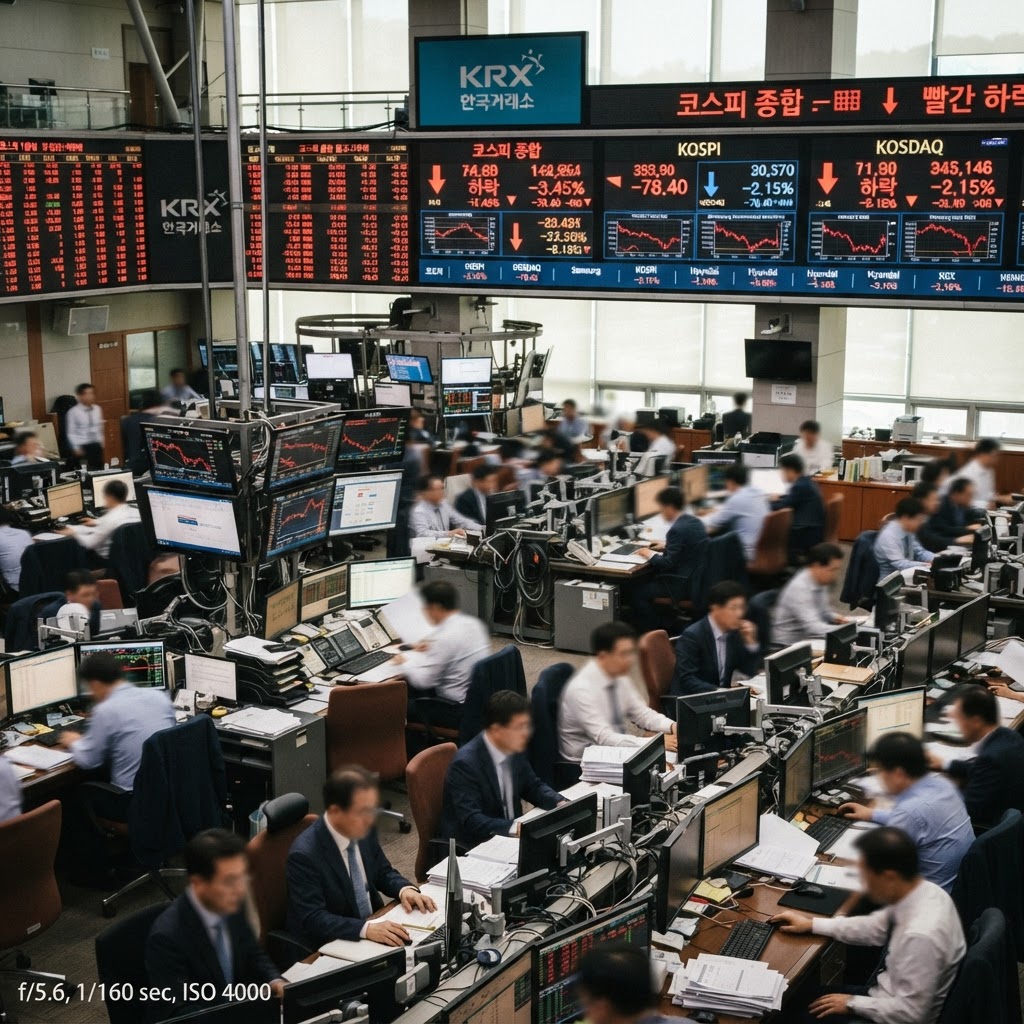
Goldman Sachs has significantly adjusted its expectations for the South Korean stock market, reducing its 12-month target for the Kospi Index by 25%. The firm’s analyst team, led by Timothy Moe, lowered the benchmark forecast from 12,000 to 9,000 points. This move marks a notable shift in strategy, as the bank had previously increased its projections multiple times throughout the year before the current market volatility took hold.
The downward revision follows a period of intense pressure on the Kospi, which has retreated more than 35% from its peak in June. Analysts pointed to the unwinding of the artificial intelligence trade as a central factor, noting that the market’s heavy concentration in semiconductor giants like Samsung Electronics and SK Hynix left it particularly vulnerable to shifting sentiment regarding AI infrastructure demand.
Despite the pessimistic adjustment, Goldman Sachs maintains that the South Korean market remains highly undervalued. The firm’s updated forecast still suggests a potential upside of over 60% from current levels. Strategists argued that the market may be overreacting to fears of a sharp decline in sector earnings, suggesting that current valuations reflect an overly cautious outlook for 2027.
Beyond the semiconductor sector, the bank continues to identify growth opportunities in other areas of the Korean economy. Goldman Sachs remains optimistic about prospects in power, industrials, and corporate governance-related stocks, as well as companies positioned to benefit from domestic economic recovery and the global reach of Korean popular culture.
This recalibration comes as investor sentiment in Seoul has cooled, with brokerage deposits falling to their lowest levels since January. As hedge funds and foreign investors pull back from leveraged positions in tech-heavy assets, the broader market continues to navigate the fallout from the cooling AI investment cycle.
RELATED DISPATCHES



Discussion (0)
No comments yet. Be the first to join the discussion.