Middle East Economic Resilience Shows Signs of Recovery
Regional growth is trending upward despite persistent geopolitical challenges and ongoing conflicts.
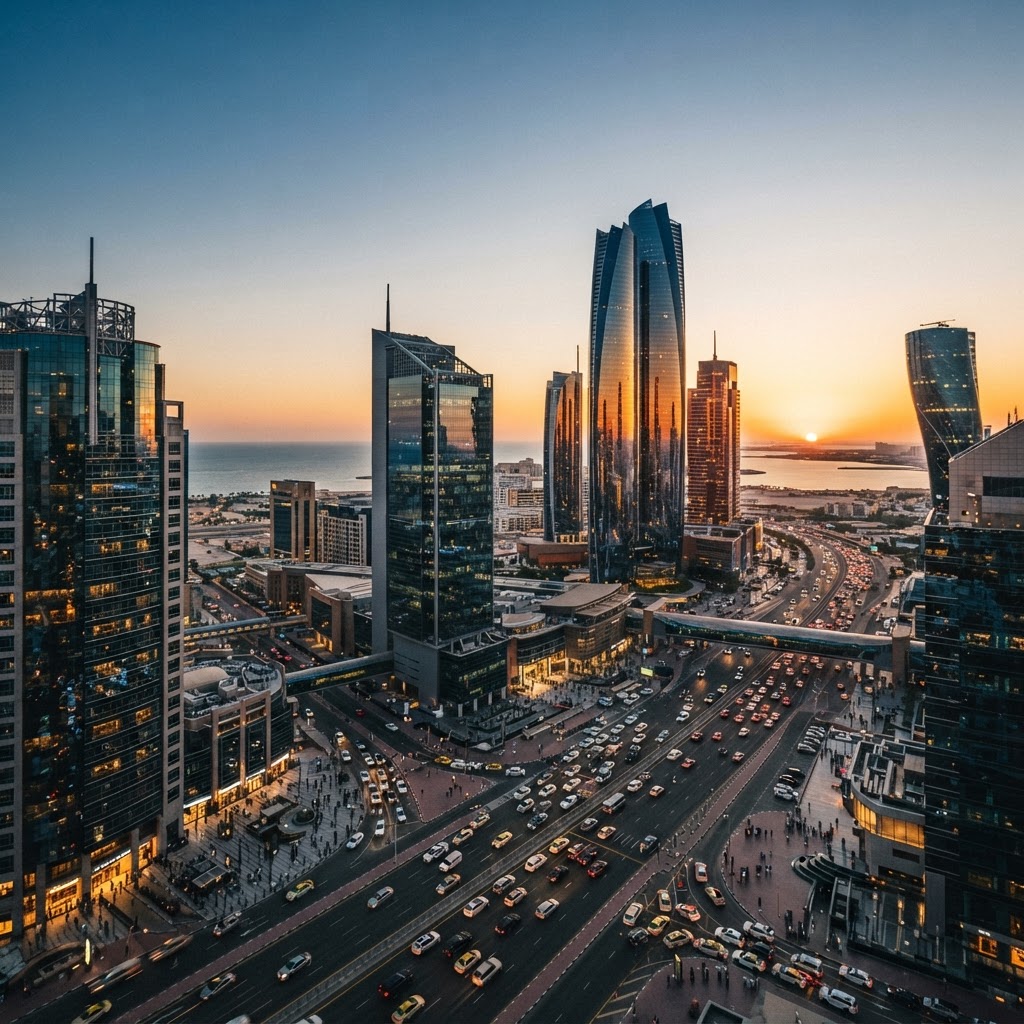
Economic activity across the Middle East and North Africa is demonstrating notable resilience, with recent data indicating a gradual improvement in growth trajectories. While regional performance remains tempered by the lingering effects of past volatility, analysts observe that the overall economic outlook is shifting toward a more positive phase compared to the previous year. This recovery is largely attributed to a combination of strategic policy adjustments and a rebound in key sectors such as tourism, industry, and agriculture.
According to recent reports from the International Monetary Fund, the region has shown an accelerated growth pace in 2025, successfully navigating through a complex landscape of global trade shifts and regional tensions. While the 2024 period was characterized by subdued activity and significant uncertainty, the current momentum suggests that many nations are finding ways to stabilize their fiscal environments despite the pressure of oil price fluctuations and geopolitical instability.
However, the recovery remains uneven across the region. Gulf Cooperation Council (GCC) countries have played a pivotal role in driving these gains, benefiting from adjusted production strategies and non-hydrocarbon sector growth. Conversely, nations directly impacted by conflict continue to face severe economic hurdles. The humanitarian and fiscal toll in areas such as Gaza and the West Bank remains profound, with these territories experiencing significant contractions that contrast sharply with the broader regional trend of stabilization.
Looking ahead, the focus for many regional leaders is shifting toward long-term structural reforms and reconstruction efforts. International financial institutions emphasize that while the immediate outlook is improving, the region must address immense financing needs and the ongoing impact of regional instability to ensure sustainable development. The path forward requires a delicate balance between maintaining macroeconomic discipline and fostering an environment that attracts investment despite the shadow of persistent geopolitical risks.
RELATED DISPATCHES

Discussion (0)
No comments yet. Be the first to join the discussion.