The Great Disconnect: Why the US Economy Feels Strained Despite Growth
While national indicators show expansion and low unemployment, many Americans report feeling significant financial pressure.
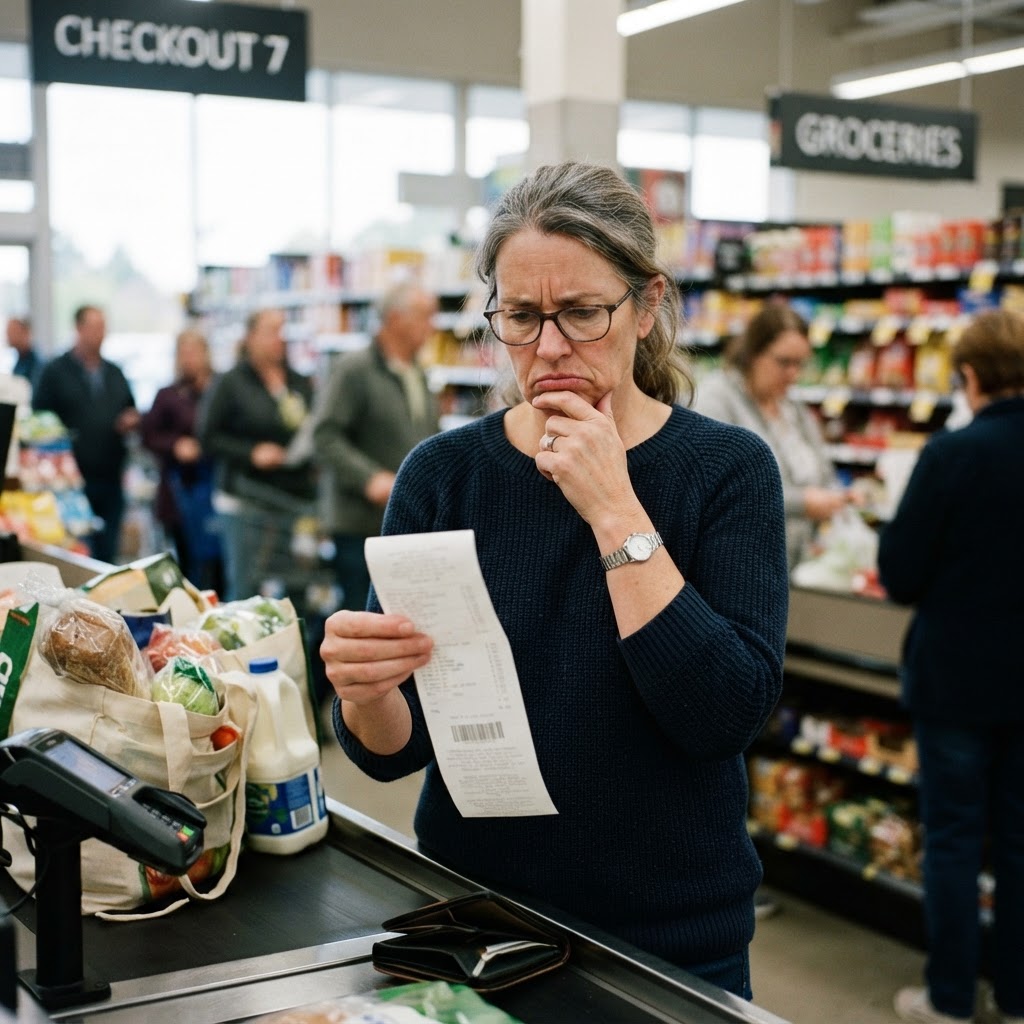
The United States is currently experiencing its seventh consecutive year of economic expansion, with data showing robust growth and historically low unemployment rates. On paper, the nation appears to be in a strong position, with consumer spending remaining active in sectors like travel and entertainment. However, this positive macroeconomic picture stands in stark contrast to the lived reality of many citizens, who report feeling increasingly pessimistic about their financial futures.
This widespread sense of unease is largely driven by the persistent burden of high living costs. While average hourly earnings have risen since 2019, these gains have been largely neutralized by inflation. For many households, paychecks are failing to keep pace with the rising prices of essential goods, particularly food, housing, and gasoline. As a result, the modest wage increases of recent years are effectively evaporating, leaving families with less disposable income.
Financial stability is further threatened by a decline in personal savings. Data indicates that many consumers are maintaining their spending habits by dipping into their savings or relying on alternative income sources, such as the gig economy, rather than relying on steady wage growth. This trend suggests that current consumption levels may be unsustainable, as the cushion of household savings continues to shrink throughout 2026.
Beyond immediate budget concerns, there is a pervasive anxiety regarding job security and future prospects. Even in a market with low unemployment, workers are expressing frustration over a lack of high-quality job opportunities and stagnant wage growth. This sentiment is compounded by broader geopolitical uncertainties and policy shifts, such as tariff implementations, which have contributed to a climate of instability that weighs heavily on public confidence.
Ultimately, the disconnect between official economic metrics and public sentiment highlights a complex reality. While the economy is not in a recession by traditional standards, the combination of eroding purchasing power and economic anxiety has created a environment where many Americans feel the system is not working in their favor. This persistent negativity remains a defining feature of the current economic landscape, regardless of the positive trends seen in national reports.
RELATED DISPATCHES


Discussion (0)
No comments yet. Be the first to join the discussion.