Lula Secures Historic Fourth Term in Brazil Presidential Runoff
Incumbent leader Luiz Inácio Lula da Silva defeats Flávio Bolsonaro in a closely contested election as the opposition challenges the results.
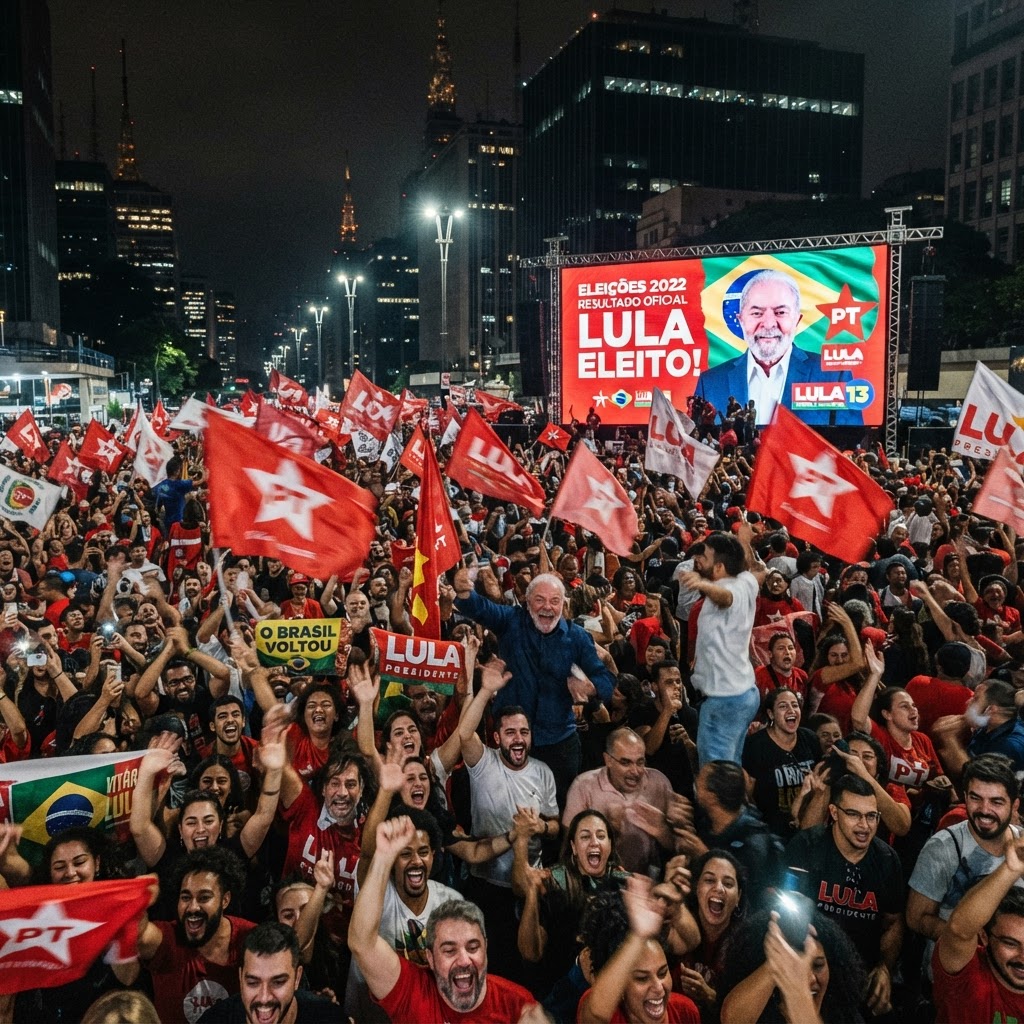
In a pivotal political development, Brazilian President Luiz Inácio Lula da Silva has successfully secured an unprecedented fourth term in office. The veteran leftist leader emerged victorious in a bitterly contested runoff election held on October 25, 2026, overcoming a first-round deficit to defeat his challenger, Senator Flávio Bolsonaro. Official data from the Superior Electoral Court confirmed that Lula captured 51.8% of the valid votes, effectively halting a broader right-wing trend across the region.
The campaign was defined by intense public discourse surrounding the cost of living, national security, and corruption. Despite the incumbent's victory, the aftermath of the vote has been marked by significant tension. Shortly after the electoral authority declared the results, Flávio Bolsonaro refused to concede, instead calling for the annulment of the election and citing irregularities related to polling station operations.
Market reactions were immediate and volatile, as investors were caught off guard by the narrow margin and the subsequent political uncertainty. The election day itself saw moments of confusion, including a last-minute decision to extend voting hours at certain locations, which has become a focal point for the opposition's legal challenges. This atmosphere of instability suggests a challenging road ahead for the administration as it prepares for the new term, which is scheduled to commence on January 5, 2027.
Lula’s win is being viewed as a landmark moment in his long political career, having garnered approximately 64 million votes—the highest total ever recorded in a Brazilian presidential contest. While supporters celebrated the result in major cities, the refusal of the opposition to accept the outcome signals a period of potential legislative and social friction. As the nation moves forward, the focus remains on how the government will address the economic concerns that dominated the election cycle while navigating a deeply polarized political landscape.
RELATED DISPATCHES


Discussion (0)
No comments yet. Be the first to join the discussion.