Escalating Russian Air Strikes Intensify Ukraine's Financial Vulnerability
A new economic analysis warns that persistent bombardment is hindering domestic production and heightening the nation's reliance on international aid.
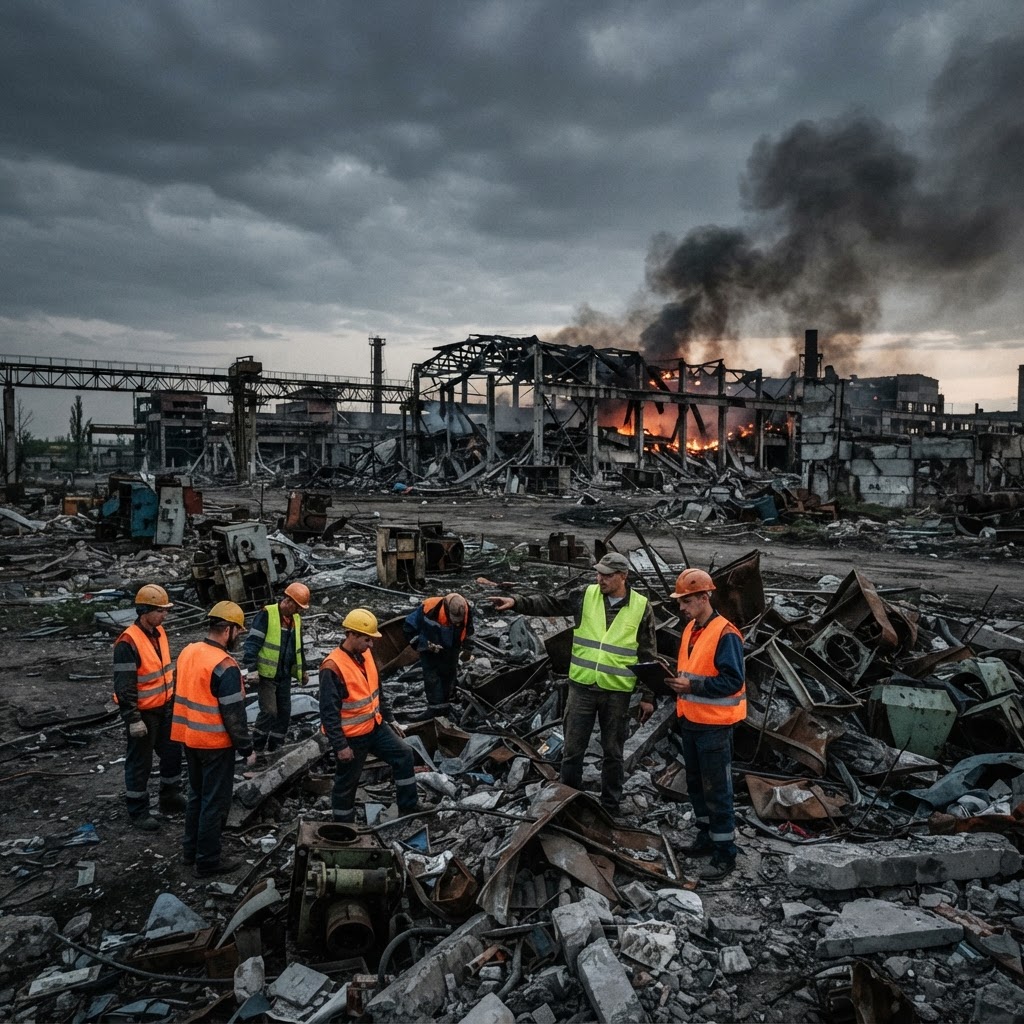
A recent report from Bloomberg Economics highlights a growing fiscal crisis in Ukraine, driven by the relentless pace of Russian aerial assaults. As these strikes continue to target critical infrastructure and disrupt supply chains, the nation's economic output is facing significant strain. Analysts suggest that 2026 may mark the first year of economic contraction since the onset of the full-scale invasion, underscoring the severity of the current situation.
The ongoing military campaign has severely hampered industrial production, logistics, and export capabilities. By damaging essential facilities and power grids, these attacks have forced the Ukrainian government to seek increased financial support from Western allies to maintain basic state functions and sustain its defense efforts. While experts do not anticipate an immediate collapse of the economy, the long-term stability of the country remains heavily tethered to the consistency of foreign assistance.
Beyond the immediate economic impact, the geopolitical landscape adds another layer of uncertainty. The report notes that upcoming elections in several key European nations, including France, Italy, and Poland, could potentially complicate the future flow of aid. Should political priorities shift in these countries, Ukraine may face significant challenges in securing the necessary funding to bridge its widening budget gaps.
This economic pressure coincides with a tragic escalation in violence on the ground. Recent reports indicate that Russian strikes have not only targeted energy infrastructure but have also hit humanitarian aid distribution points, resulting in significant civilian casualties. As the conflict persists, the dual burden of maintaining a war-torn economy and protecting a vulnerable population makes the continued commitment of international partners more critical than ever.
RELATED DISPATCHES



Discussion (0)
No comments yet. Be the first to join the discussion.