EU Proposes Single Market Reforms to Curb Reliance on China
Brussels is developing new regulatory tools to encourage supply chain diversification and bolster economic security.
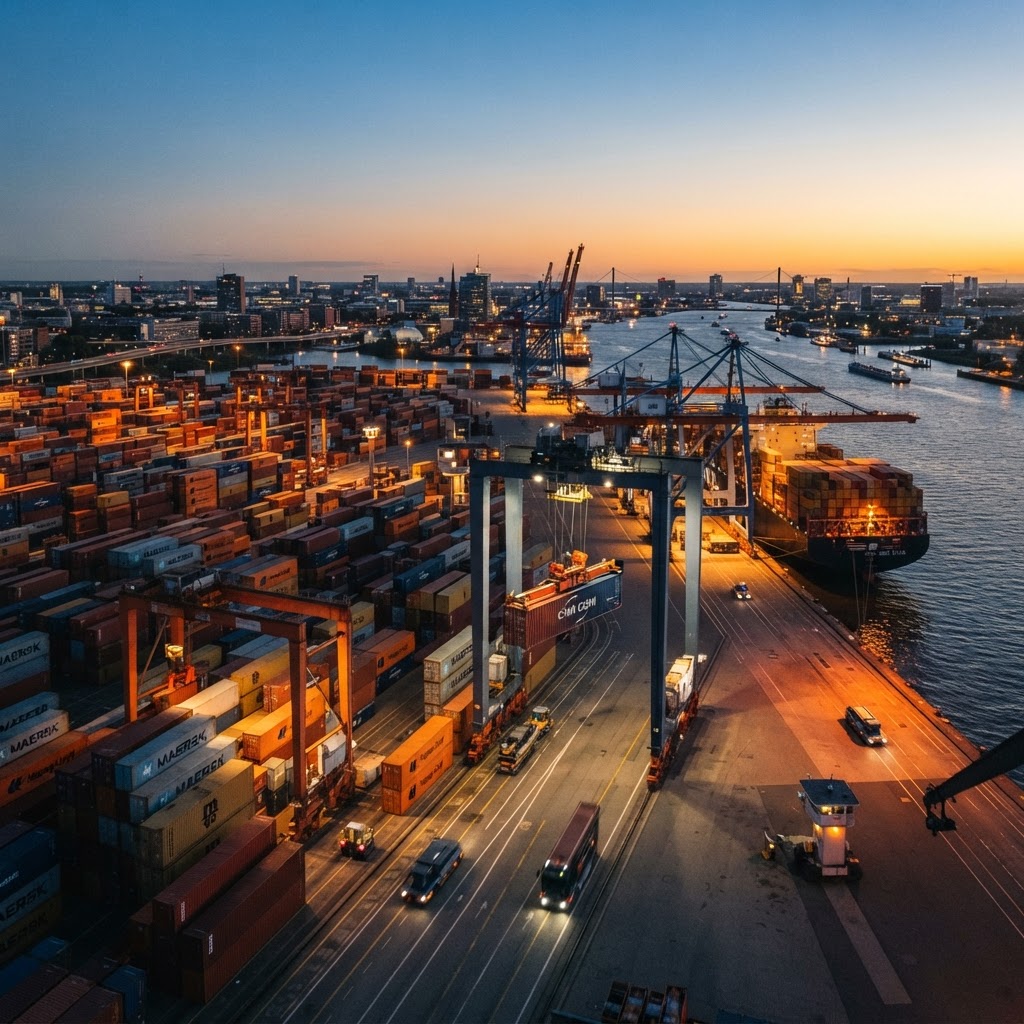
The European Union is preparing a series of targeted adjustments to its €18 trillion single market, aiming to reduce the bloc's heavy dependence on Chinese supply chains. According to reports, the European Commission is drafting new legislation that would impact areas such as motor vehicle-type approvals and foreign subsidies. This initiative is part of a broader strategy to enhance economic security by mitigating the risks associated with relying on a single supplier for critical goods and raw materials.
Central to this effort is a proposed "diversification instrument," which seeks to incentivize or mandate that companies in sensitive sectors source essential components from at least three different suppliers. Officials have emphasized that excessive concentration in supply chains creates vulnerabilities, particularly in light of past Chinese export restrictions on rare earths—materials vital for the EU's digital and green technology sectors. By fostering a more resilient industrial base, Brussels hopes to shield European businesses from external shocks and geopolitical pressure.
While the push for diversification is gaining momentum, it has sparked concerns among industry leaders regarding the potential for increased operational costs. Many businesses have expressed apprehension about the financial burden of finding and qualifying alternative suppliers, especially in sectors where China currently holds a dominant market position. The European Commission is currently engaging with corporate executives to ensure that any new requirements are practical and include necessary transition periods.
This policy shift reflects a significant evolution in the EU's trade vocabulary, moving away from the concept of total decoupling toward a more nuanced policy of "de-risking." In addition to the diversification tool, the Commission is exploring a "kill switch" mechanism that would allow the bloc to respond more effectively to economic coercion. As the EU grapples with a substantial trade deficit with China, these measures represent a concerted effort to rebalance the trade relationship while safeguarding the integrity of the European internal market.
RELATED DISPATCHES

Discussion (0)
No comments yet. Be the first to join the discussion.