CoreWeave Financial Strain Threatens AI Infrastructure Funding
Rising bond yields and investor skepticism signal a potential cooling of the high-yield debt market for AI startups.
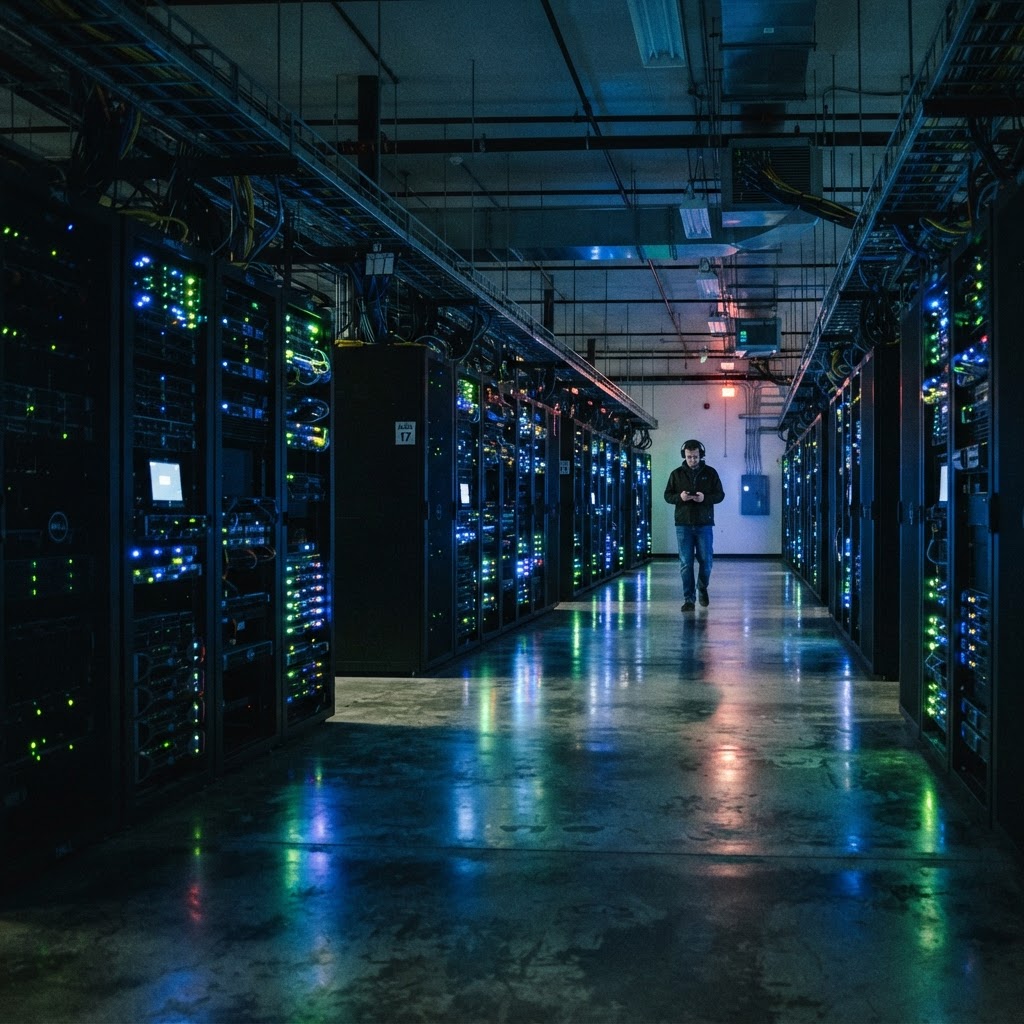
The rapid expansion of artificial intelligence infrastructure is facing a significant reality check as CoreWeave, a prominent data center operator, grapples with mounting financial pressure. Recent market data shows that yields on the company’s junk bonds have climbed above 15%, a threshold typically associated with severe credit distress. This volatility has sparked broader concerns among investors regarding the sustainability of the debt-fueled growth model that has defined the AI sector over the past few years.
Market analysts suggest that the current situation serves as a litmus test for the entire AI ecosystem. As borrowing costs rise, the appetite for financing capital-intensive projects has noticeably waned. Investors are increasingly questioning the efficacy and profitability of the aggressive data center build-out, leading to a more cautious approach toward lending to highly leveraged technology firms. This shift in sentiment is already impacting the broader market, with a marked decline in AI-related debt issuance observed in recent months.
While CoreWeave has maintained that its financial position remains sufficient to support its operations, the market’s reaction tells a different story. The surge in bond yields reflects deep-seated anxiety about the company's ability to manage its substantial debt load. Experts note that this is not necessarily a sign that the demand for AI is disappearing, but rather an indication that the cost of capital has become a critical hurdle for companies relying on external funding to scale their infrastructure.
This cooling of the junk bond market could have far-reaching consequences for smaller AI startups that depend on similar financing structures. If investors continue to pull back, the pace of infrastructure development may be forced to slow down, potentially impacting hardware suppliers and other stakeholders in the AI supply chain. As the industry navigates this period of uncertainty, the focus remains on whether these companies can prove the long-term viability of their business models in a higher-interest-rate environment.
RELATED DISPATCHES



Discussion (0)
No comments yet. Be the first to join the discussion.