Chancellor John Healey Unveils Inaugural Budget Featuring Bank Tax Hikes
The Chancellor introduces a temporary banking surcharge to fund household energy support while outlining a long-term defense investment strategy.
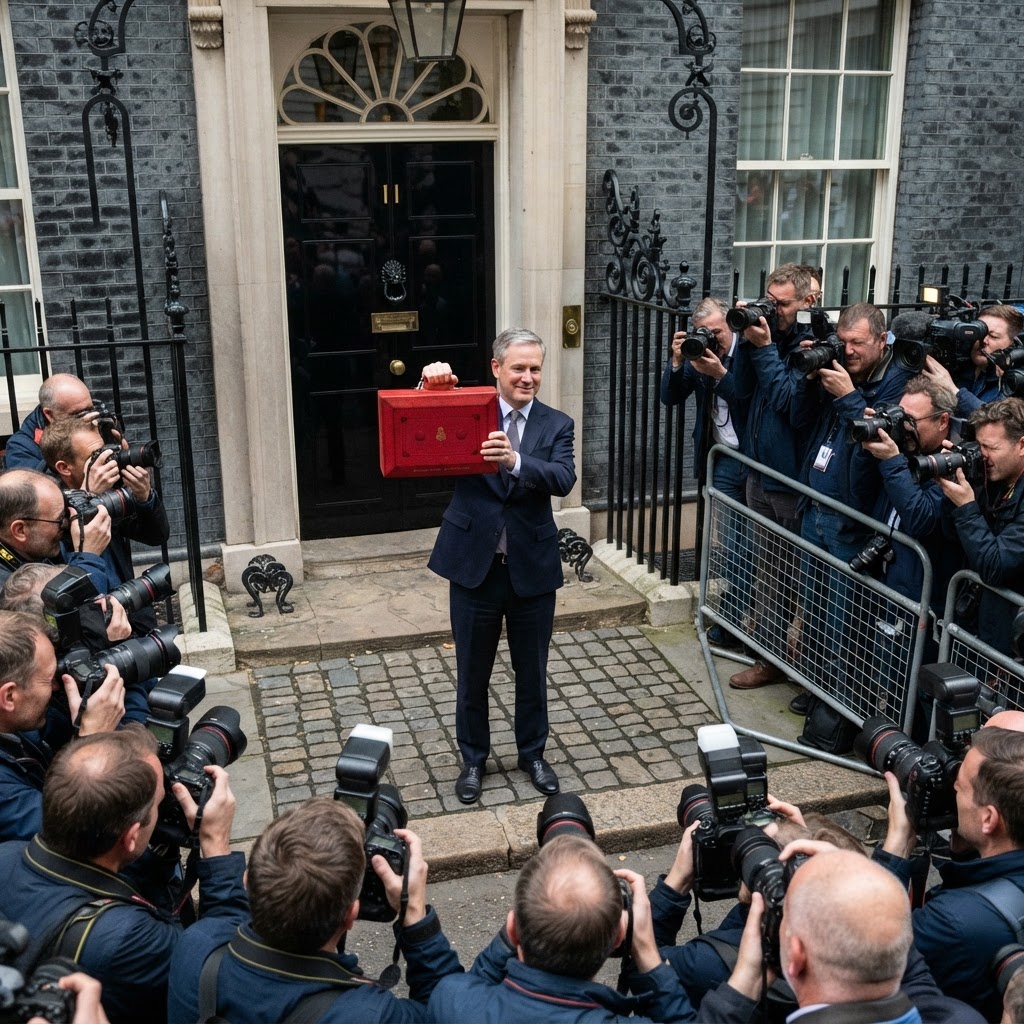
In his first official budget address, UK Chancellor John Healey has introduced a series of fiscal measures designed to navigate what he described as ongoing global economic instability. Central to his plan is a temporary increase in the Bank Corporation Tax Surcharge, which will rise from 3% to 6% for a 15-month period. This adjustment is projected to generate £1.5 billion in revenue, specifically earmarked to provide financial relief to households and businesses facing rising costs.
As part of this support package, the government will distribute a £100 payment to approximately 20 million households currently in council tax bands A through D. This initiative aims to offer immediate breathing room for families struggling with high energy bills. The Chancellor emphasized that these measures are fully funded, reflecting a commitment to fiscal discipline while addressing the immediate pressures on the cost of living.
Beyond domestic support, the budget outlines a significant Defence Investment Plan. The government has committed to increasing defense spending to 2.7% of GDP by the 2027-28 fiscal year, with a clear roadmap to reach 3% by 2030. Looking further ahead, the administration reaffirmed its dedication to meeting a NATO commitment of 3.5% of GDP on defense by 2035, signaling a long-term focus on national security despite the current economic climate.
Market reaction to the announcement was notably measured. While banking executives had previously expressed concerns regarding the impact of tax hikes on sector competitiveness, bank stocks saw a rally following the speech, as the final tax increase was perceived to be less severe than some analysts had anticipated. The Chancellor’s strategy balances these targeted tax adjustments with a broader goal of maintaining fiscal stability as the government works toward its target of balancing day-to-day spending by the 2029-30 tax year.
RELATED DISPATCHES



Discussion (0)
No comments yet. Be the first to join the discussion.