Brazil Limits Poultry Trade Impact Following Virus Detection
Government officials confirm that Chinese import restrictions will be confined to the state of Santa Catarina, preventing a nationwide export freeze.
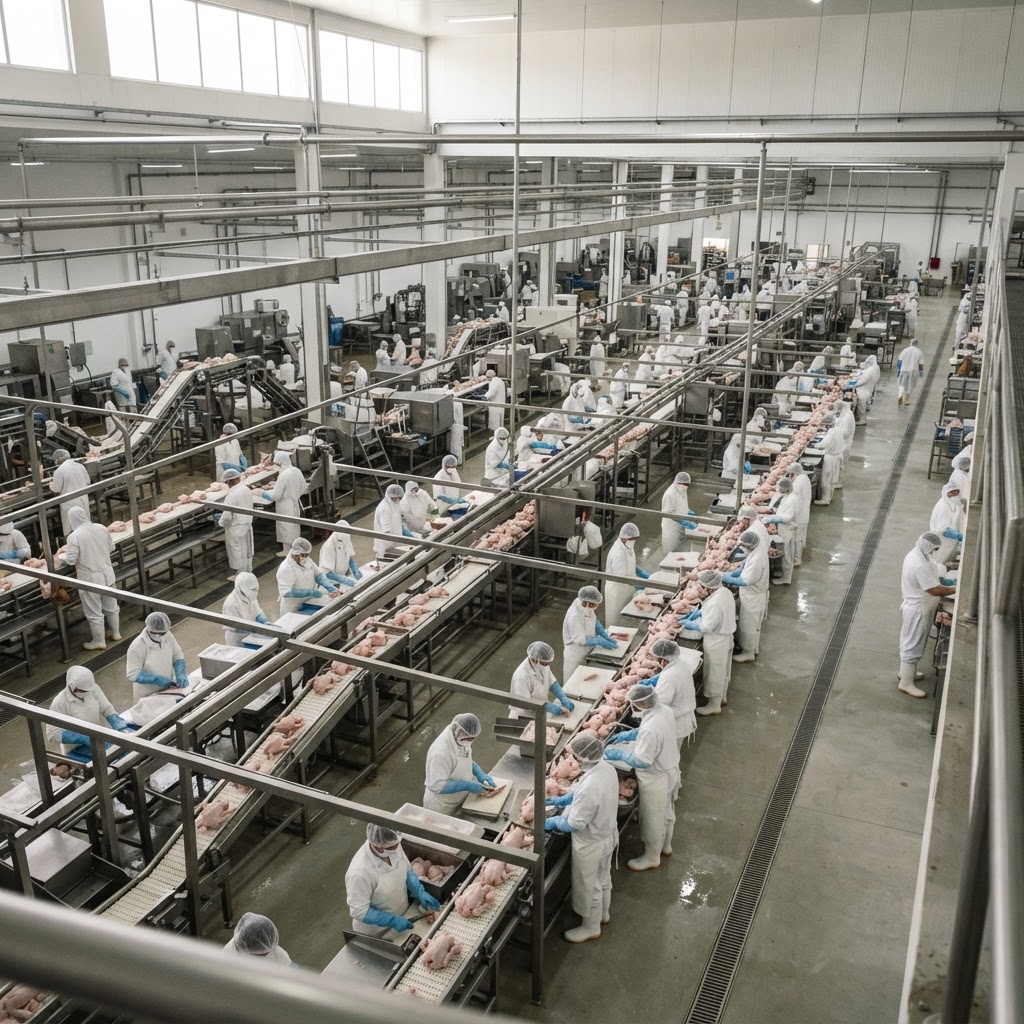
Brazil has successfully mitigated the potential for a widespread trade crisis after an outbreak of Newcastle disease was identified at a commercial turkey farm in the southern state of Santa Catarina. While the initial discovery prompted an immediate, mandatory suspension of poultry shipments to China—the nation's largest buyer—government authorities have confirmed that trade restrictions will be localized to the affected state rather than applied across the entire country.
This targeted approach provides significant relief to Brazil’s massive poultry sector, which had been bracing for a broader disruption similar to events in 2024. The virus was detected during routine surveillance at a facility in Nova Itaberaba. Although the birds involved showed no clinical symptoms, the detection triggered established biosecurity protocols, including the culling of the flock and the implementation of strict quarantine measures to prevent further transmission.
Industry leaders, including the Brazilian Animal Protein Association (ABPA), have emphasized that the country’s animal-health systems are well-equipped to manage such incidents. By providing transparent data to international partners, Brazil has sought to reassure global markets that the risk is contained. While some nations, such as Mexico, have implemented their own temporary import suspensions, the decision by China to limit its ban to Santa Catarina is viewed as a positive development for the industry's export stability.
Despite the immediate logistical hurdles, analysts suggest that the long-term impact on Brazil’s poultry exports is likely to be minimal, provided that containment efforts remain effective. Brazil remains a dominant force in the global meat market, having exported over 4 million tonnes of chicken in the first nine months of 2026. The government continues to monitor the situation closely, working to restore full market access while maintaining the rigorous sanitary standards required by its international trade partners.
RELATED DISPATCHES



Discussion (0)
No comments yet. Be the first to join the discussion.