Brazil Inflation Eases, Paving Way for Monetary Easing
Lower-than-anticipated price data strengthens the case for continued interest rate cuts by the Central Bank of Brazil.
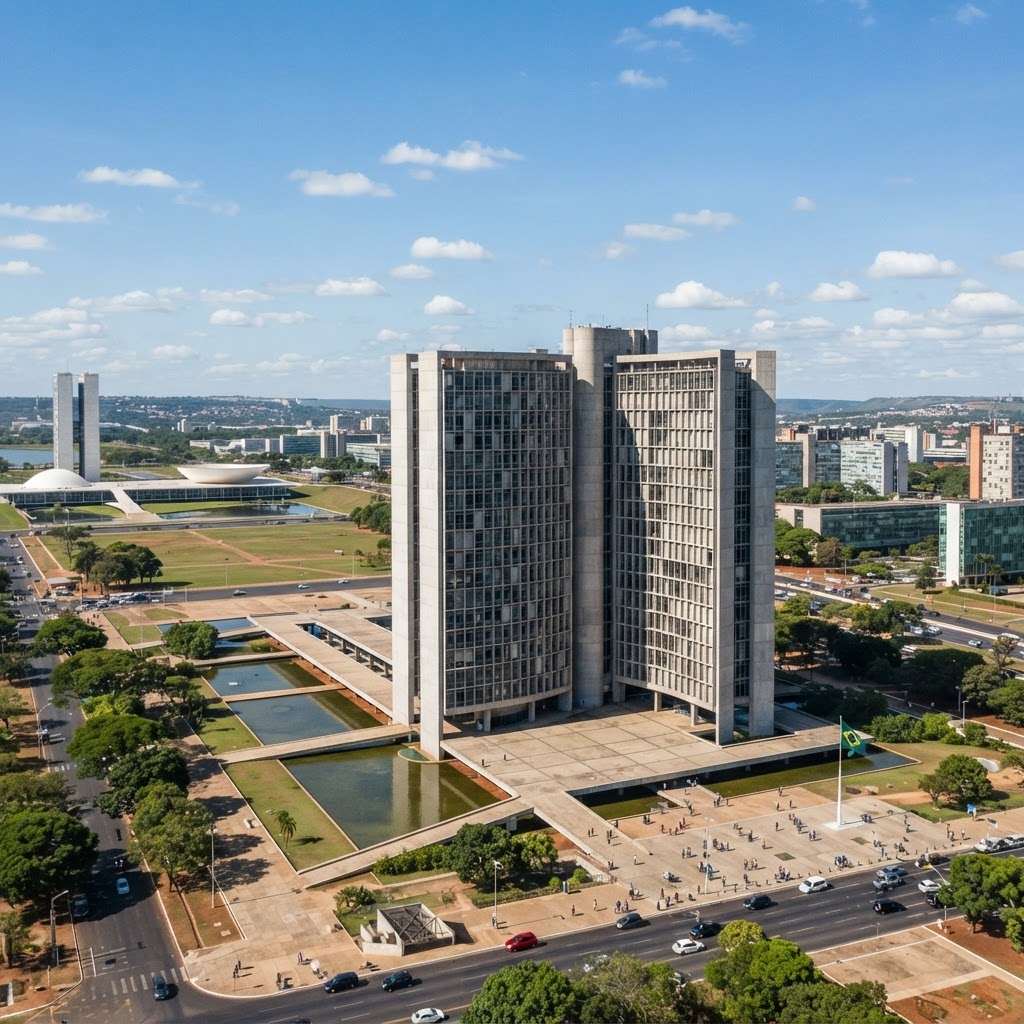
Recent economic data from Brazil has revealed a notable cooling in inflation, with consumer price readings coming in significantly lower than market projections. The mid-month IPCA-15 index, a key gauge for the nation's inflationary trends, rose by only 0.06% in July. This figure fell well below the median analyst forecast of 0.21%, marking the lowest reading for the month since 2023.
This unexpected deceleration in price growth has provided the Central Bank of Brazil’s policy committee, known as Copom, with additional flexibility. Following the release of these figures, market participants have increasingly priced in a 25-basis-point reduction to the benchmark Selic interest rate. Such a move would represent the fourth consecutive cut, signaling a consistent effort by policymakers to support the economy as growth momentum shows signs of fading.
Economists note that while the recent data is encouraging, it is largely driven by temporary relief in food costs and specific one-off factors. Experts caution that it is premature to view this as a permanent shift in structural demand pressures. Furthermore, external risks—including fluctuating oil prices and the potential impact of climate phenomena like El Niño—continue to pose upside risks to the inflation outlook.
Despite these lingering concerns, the broader improvement in market conditions has bolstered confidence in the central bank's current trajectory. By extending its policy horizon, the bank has signaled a commitment to maintaining a balanced approach. As the committee meets to finalize its decision, the focus remains on whether this cooling trend will persist, allowing for further normalization of monetary policy in the coming months.
RELATED DISPATCHES



Discussion (0)
No comments yet. Be the first to join the discussion.