US Consumer Confidence Hits Decade-Low Amid Economic Uncertainty
A new report from The Conference Board reveals that American sentiment has fallen to its lowest point since 2014, driven by mounting fears over the labor market and persistent inflation.
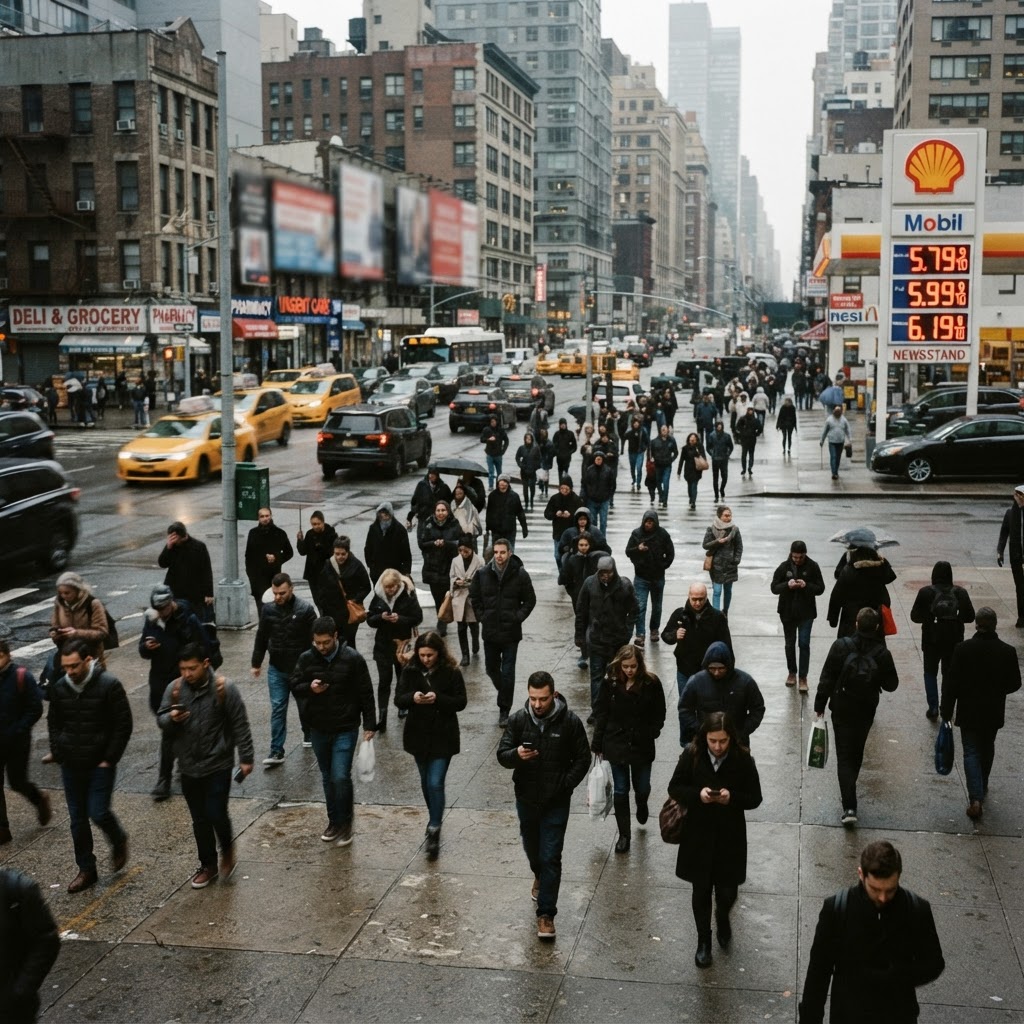
American consumer sentiment has experienced a sharp decline, reaching its lowest level since May 2014. According to the latest data from The Conference Board, the consumer confidence index dropped significantly to 84.5 in January, a nearly 10-point decrease from the previous month's revised figures. This downturn has surpassed even the pessimistic levels recorded during the height of the COVID-19 pandemic, signaling a profound shift in how households view the nation's economic trajectory [1, 5, 7, 9].
Experts point to a combination of factors fueling this widespread unease. Chief among these concerns are rising anxieties regarding the labor market and the ongoing impact of inflation on daily life. Survey respondents frequently cited the rising costs of groceries, fuel, and essential goods as primary stressors. Furthermore, discussions surrounding trade policies, including recent tariff announcements, have contributed to a climate of instability that is weighing heavily on the public psyche [7, 8, 9].
Dana Peterson, chief economist at The Conference Board, noted that all five components of the index deteriorated during the month. This broad-based decline reflects a growing skepticism regarding both current business conditions and future economic prospects. While the labor market had previously served as a pillar of stability, recent data suggests that consumers are increasingly worried about the sustainability of job growth and their own financial security in the coming year [3, 7, 9].
The decline in confidence was observed across various demographics, though independent voters showed some of the most pronounced shifts in sentiment. As the index remains well below historical benchmarks, economists are closely monitoring these figures for signs of a broader economic slowdown. With consumer spending serving as a critical engine for the U.S. economy, this sustained period of pessimism presents a significant challenge for policymakers attempting to navigate a complex and evolving financial landscape [5, 8, 10].
RELATED DISPATCHES



Discussion (0)
No comments yet. Be the first to join the discussion.