Uncertainty Over Fourth Doha Meeting Clouds Afghanistan’s Diplomatic Horizon
The lack of a confirmed schedule for the next United Nations-led summit raises questions about the future of global engagement with the Kabul administration.
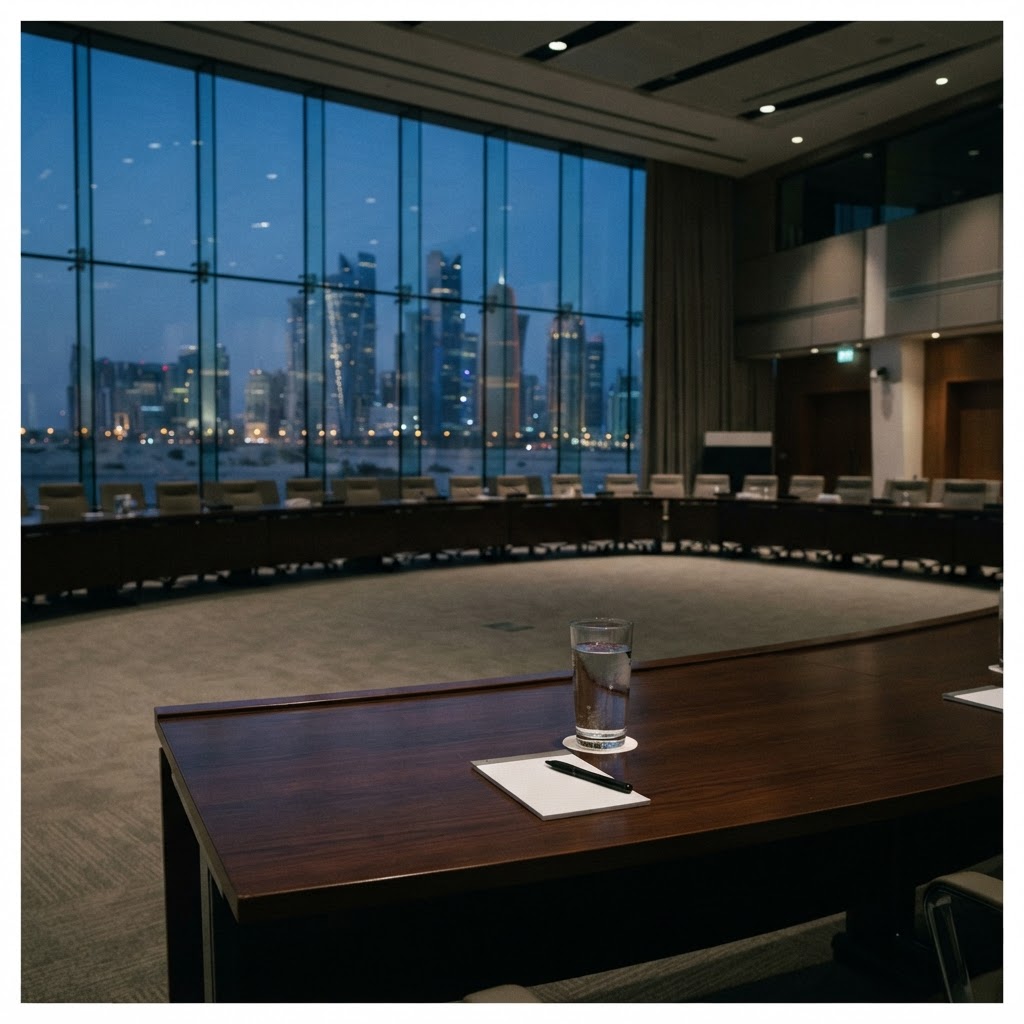
The Doha process, initially established to facilitate structured engagement between the international community and Afghanistan, is currently grappling with a significant diplomatic impasse. Despite ongoing discussions throughout the past year, the United Nations has yet to finalize a date for the fourth round of special envoy talks, leading to widespread skepticism regarding the initiative’s long-term viability.
The previous gathering, known as Doha 3, was notable for the first-ever participation of the de facto authorities, yet it faced severe backlash for the exclusion of Afghan women from the main negotiating table. Since that summit, the momentum for high-level dialogue has shifted toward smaller, thematic working groups, leaving the broader political roadmap in a state of uncertainty.
A central obstacle in the current timeline is the unresolved dispute over the UN Special Envoy role. The Islamic Emirate has consistently opposed this appointment, maintaining that the UNAMA mission provides a sufficient channel for international relations. This refusal to accept a new mediator has significantly complicated the planning of a fourth summit, as Western donors insist on the envoy as a prerequisite for deeper cooperation.
Political observers, including analyst Idris Mohammadi Zazi, suggest that the delay reflects a growing disillusionment with the process’s ability to deliver tangible results. While the IEA seeks the lifting of banking restrictions and the unfreezing of assets, international stakeholders remain focused on demands for inclusive governance and the restoration of educational rights for girls.
In the absence of a formal summit, regional powers have increasingly turned to bilateral tracks to address concerns such as counter-narcotics and border security. However, these independent efforts often lack the cohesive weight of a unified UN framework, leading to a fragmented approach that critics argue may prolong Afghanistan’s international isolation.
As the diplomatic community waits for a sign of progress from New York, the humanitarian situation continues to demand urgent attention. Without a transparent timeline for the fourth Doha meeting, the prospect of a coordinated global strategy to assist the Afghan people remains stalled, highlighting the fragility of the current engagement model.
RELATED DISPATCHES
Discussion (0)
No comments yet. Be the first to join the discussion.