Accountability Stalled: The Long Road to Justice for Foreign Military Conduct in Afghanistan
Years after initial reports of misconduct, British and Australian investigations into alleged war crimes by special forces remain largely unresolved.
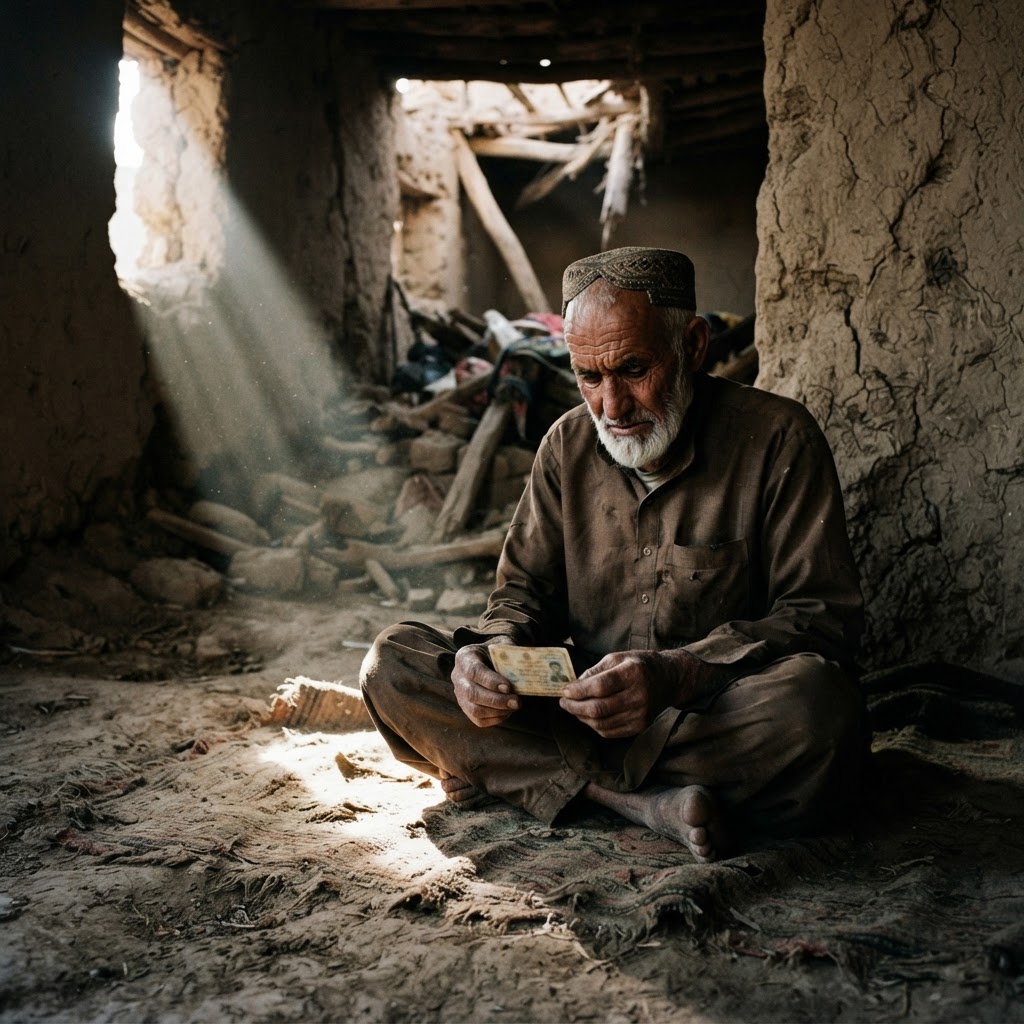
The quest for accountability for alleged war crimes committed by British and Australian special forces in Afghanistan remains at a standstill, as legal proceedings and public inquiries face significant delays. Despite years of mounting evidence suggesting the unlawful killing of civilians, most cases have yet to reach a criminal court, leaving Afghan families in provinces like Helmand and Uruzgan without closure. The delay has sparked international concern over the slow pace of Western legal systems in addressing grievances from the twenty-year conflict.
In the United Kingdom, the Independent Inquiry relating to Afghanistan is currently examining more than 80 suspicious deaths linked to the British Special Air Service (SAS) between 2010 and 2013. Recent testimonies presented to the inquiry, chaired by Lord Justice Haddon-Cave, have highlighted disturbing claims of night raids where unarmed detainees and even children were allegedly executed. Internal Ministry of Defence documents have recently surfaced, indicating that some officials were aware of these concerns as early as 2019 but failed to refer them for criminal investigation at the time.
Across the globe, Australia’s response has progressed slightly further but is also facing intense scrutiny. While the landmark Brereton Report identified 39 credible instances of murder by Australian troops, only a handful of individuals have faced formal charges. Recent high-profile legal actions have signaled a shift toward individual accountability, yet the vast majority of the soldiers implicated in the original report remain unprosecuted, leading to accusations that the process is moving at a glacial pace.
The Australian government recently introduced a compensation scheme for Afghan victims, but the move has been criticized by United Nations experts and human rights organizations. Advocates argue the program functions more as an act of charity at the discretion of the military rather than a legal right for the victims. There are also significant concerns regarding the lack of direct consultation with the bereaved families in rural Afghanistan, many of whom have no way to access the digital claim portals provided by Canberra.
International organizations, including Human Rights Watch, have urged both nations to accelerate their investigations to prevent a culture of impunity. They argue that the integrity of international law depends on the willingness of powerful nations to hold their own personnel accountable. Without formal apologies and transparent legal outcomes, the legacy of foreign intervention in Afghanistan continues to be defined by these unresolved allegations in the eyes of the global community.
The challenges of conducting these investigations are compounded by the current political landscape in Afghanistan, which creates practical difficulties for investigators trying to access crime scenes or gather physical evidence. However, legal experts insist that existing military records and the testimonies of survivors provide a sufficient basis for pursuing comprehensive accountability. For the families of the victims, the passage of time has not diminished the need for a final, transparent verdict on the actions of foreign troops.
RELATED DISPATCHES
Discussion (0)
No comments yet. Be the first to join the discussion.