UNAMA Details Escalating Restrictions on Women's Rights and Education
A new United Nations report highlights the systematic exclusion of Afghan women from public life and the continued ban on higher education.
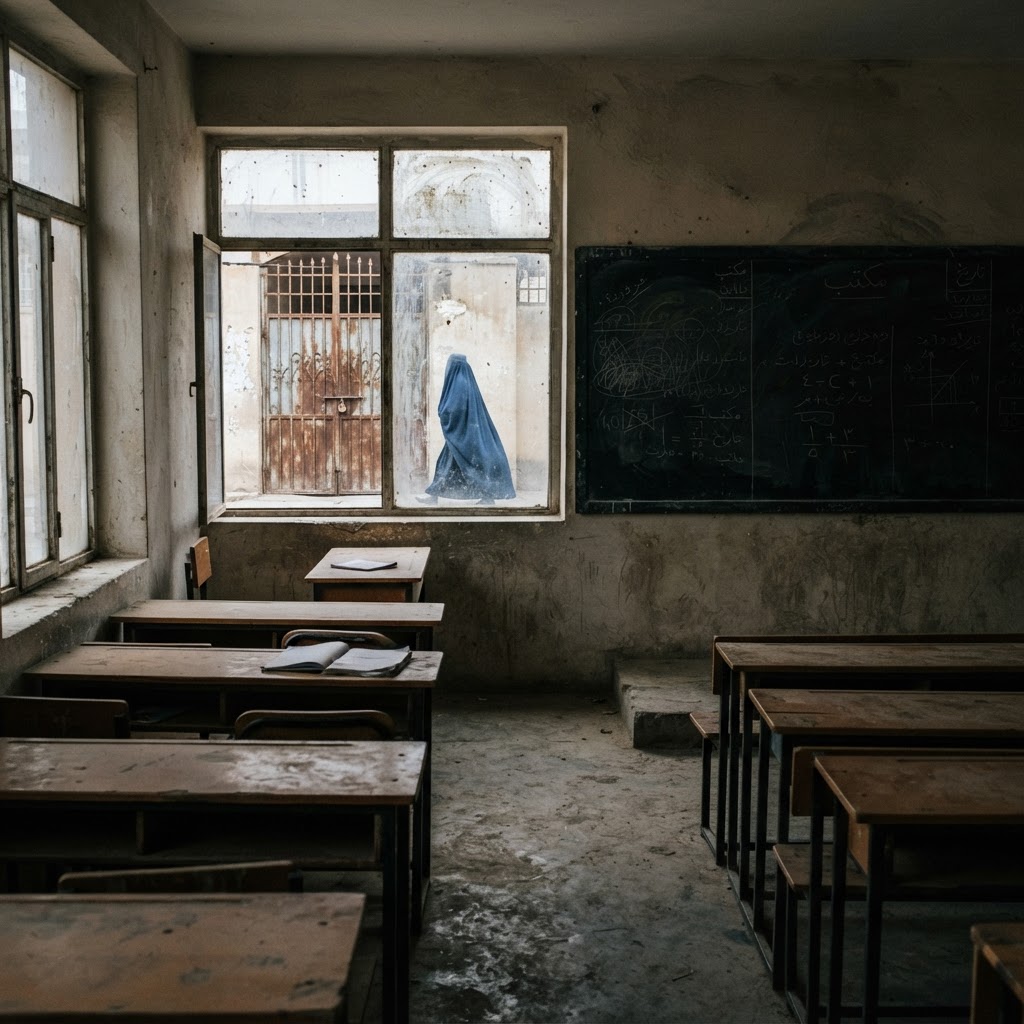
The United Nations Assistance Mission in Afghanistan (UNAMA) has released a detailed report documenting the ongoing erosion of human rights and the systematic exclusion of women from the public sphere. The findings underscore a deteriorating human rights situation, primarily driven by the de facto authorities' persistent ban on education for girls beyond the sixth grade and women at the university level. This exclusion has left millions of young women without access to formal learning, a move that the UN warns will have long-term consequences for the nation's economic and social stability. \n\nIn addition to educational barriers, the report highlights the expanding influence of the Ministry for the Propagation of Virtue and the Prevention of Vice. This department has intensified the enforcement of strict dress codes and travel restrictions, requiring women to be accompanied by a male guardian (mahram) for most public activities. These measures have led to numerous instances of arbitrary detention and harassment, further narrowing the space for women to participate in the workforce or access essential services like healthcare. \n\nThe mission also documented the intensified implementation of hijab regulations, particularly in urban centers like Herat and Kabul. UNAMA reported that dozens of women have been detained for alleged non-compliance with the prescribed dress code, often being released only after their families signed pledges of future adherence. These enforcement actions have contributed to an environment of increased surveillance and have significantly limited the freedom of movement for women and girls across the country. \n\nThe UN report further highlights a troubling trend in the use of judicial corporal punishment. Between April and June, at least 137 individuals, including 25 women, were subjected to public floggings following court orders. UNAMA expressed deep concern over the lack of legal representation and the opaque nature of these proceedings, which often bypass recognized international legal protections. These actions have suppressed civic space and contributed to a broader climate of fear. \n\nIn response to these developments, international observers and UN officials have called on the de facto authorities to align their policies with international human rights treaties. The mission emphasized that the continued exclusion of half the population from public life not only violates basic rights but also hinders the delivery of essential humanitarian aid. The report notes that international engagement remains contingent on the authorities' willingness to respect the fundamental rights of all Afghan citizens. \n\nUNAMA concluded that restoring the rights of women and girls is a functional necessity for Afghanistan to overcome its current humanitarian and economic crises. Without inclusive governance and respect for basic freedoms, the country risks further international isolation. The report serves as a call for a renewed dialogue to ensure that all Afghans can contribute to the social and economic reconstruction of their nation.
RELATED DISPATCHES
Discussion (0)
No comments yet. Be the first to join the discussion.