UK Households Face 25% Energy Bill Hike Amid Middle East Conflict
Rising wholesale gas costs linked to the war in Iran are expected to push inflation above 4% early next year.
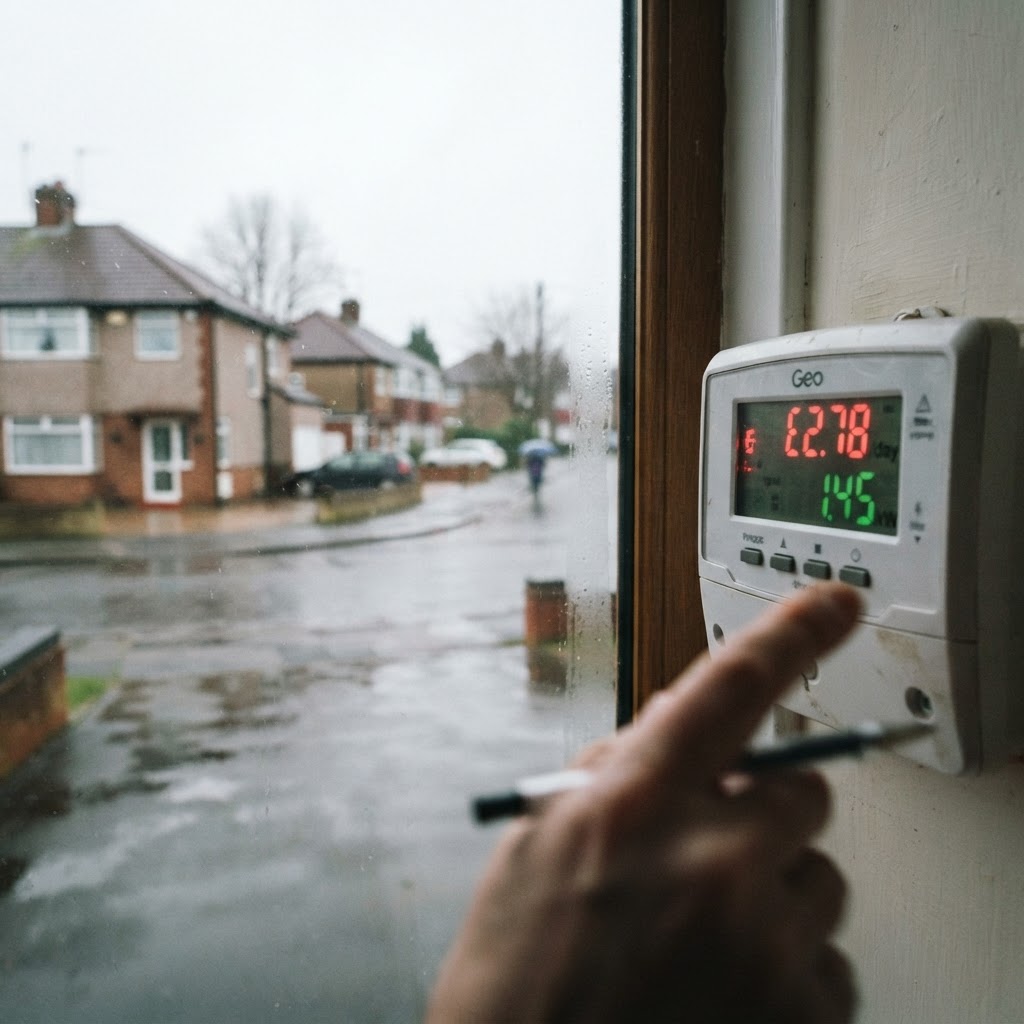
UK households are bracing for a significant financial strain as energy bills are projected to surge by approximately 25% this January. Analysts at Bloomberg Economics indicate that the ongoing conflict in Iran has triggered a sharp rise in global wholesale gas and electricity prices, creating a volatile environment for energy markets. This anticipated jump in costs threatens to reverse recent progress in managing the cost of living for millions of families across the country.
The energy price cap, which is regulated by Ofgem to limit the maximum rates suppliers can charge, is expected to climb by roughly £427. This adjustment would bring the annual cost for a typical household to approximately £2,150. These figures are derived from energy futures prices observed between mid-August and mid-November, a period marked by significant upward pressure on gas markets.
Beyond the immediate impact on household budgets, the surge in energy costs is expected to have broader macroeconomic consequences. Economists warn that this spike could drive UK inflation above 4% next year, a level that would be double the Bank of England’s official target. Such an increase would complicate efforts to stabilize the economy and maintain price growth within manageable limits.
This development follows a smaller 4% increase in the energy price cap that took effect on October 1, 2026. While the government previously intervened with extensive subsidies during the 2022 energy crisis, the current forecast suggests a return to price levels reminiscent of that period. Advocacy groups, including National Energy Action, have already begun calling for targeted support in the upcoming October Budget to protect vulnerable and low-income households from the impending financial burden.
RELATED DISPATCHES



Discussion (0)
No comments yet. Be the first to join the discussion.