U.S. Shifts Strategy Toward Economic Warfare Against Iran
As peace negotiations stall, the administration pivots to a campaign of total financial isolation and maritime blockades.
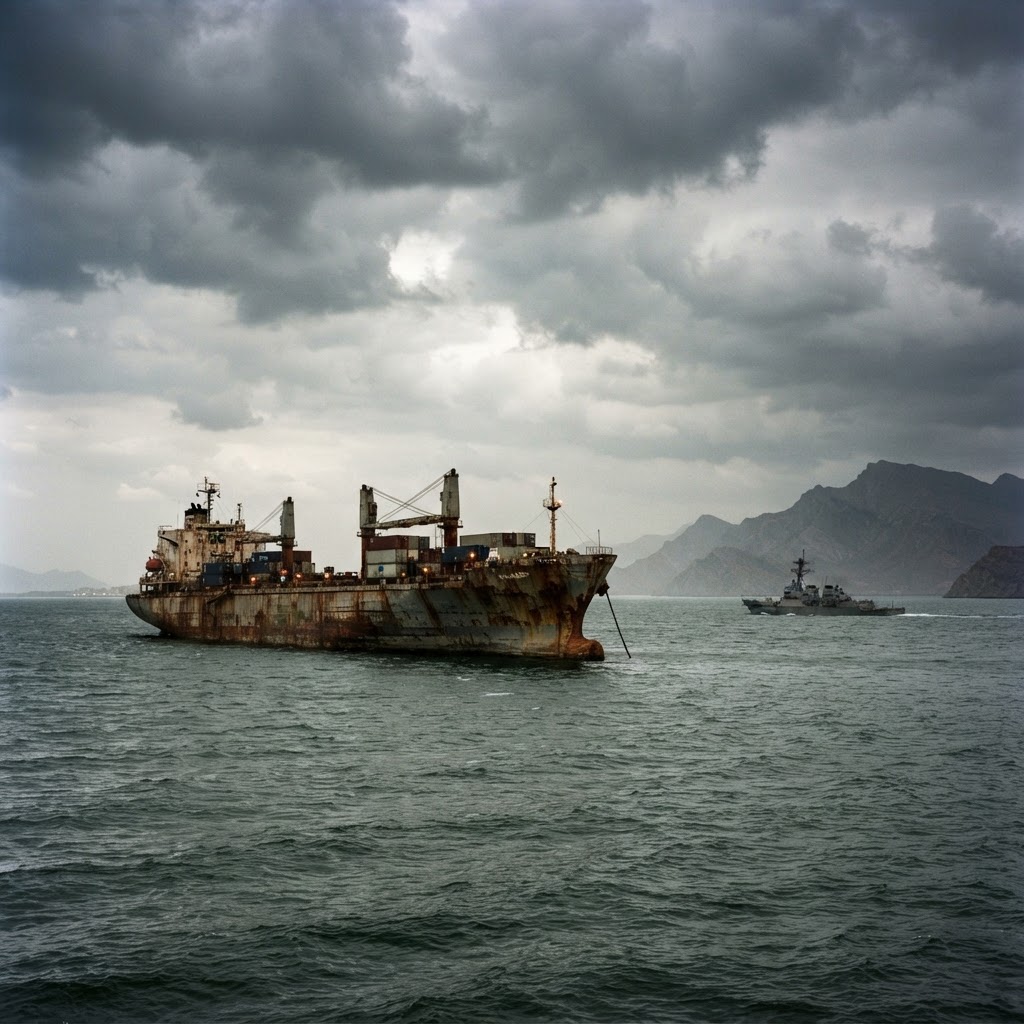
The ongoing conflict between the United States and Iran has entered a new, protracted phase, moving away from direct military engagement toward a comprehensive economic battle. With the expiration of key diplomatic deadlines, the Trump administration has effectively abandoned previous ceasefire goals, opting instead to implement what officials describe as an unprecedented campaign of financial pressure. This strategy aims to force Tehran back to the negotiating table by systematically dismantling its ability to participate in global trade.
Central to this approach is the intensification of a maritime blockade centered on the Strait of Hormuz. By restricting access to Iranian ports, the U.S. seeks to choke off the nation's primary energy export routes. Treasury Secretary Scott Bessent has characterized these efforts as a "zero leakage" operation, designed to eliminate sanctions evasion and isolate the Iranian economy from international financial networks. The administration has further warned that any foreign entities providing a "lifeline" to Tehran will face severe economic repercussions.
This pivot reflects a broader shift toward a war of attrition, as both nations struggle to break the current strategic stalemate. While the U.S. maintains a naval presence to enforce the blockade, Iran continues to leverage its regional influence and military capabilities to impose costs on its adversaries. The result is a volatile environment where commercial shipping remains severely disrupted, impacting global markets for oil and natural gas.
Despite the aggressive rhetoric, the administration has signaled that it may offer a grace period for some nations to wind down their business dealings with Iran, framing the current measures as a "warning shot." However, the resilience of the Iranian economy has repeatedly surprised observers, leading to concerns that this strategy of maximum pressure may result in a long-term standoff rather than a quick diplomatic resolution. As the situation evolves, the Gulf states have increasingly found themselves caught in the middle, acting as both participants and cost-bearers in this escalating rivalry.
RELATED DISPATCHES

Historic Border Library Reconnects Nations with New Canadian Entrance
42 minutes 3 seconds ago
Erika Kirk Challenges Defense Request for 2029 Trial in Husband's Murder Case
42 minutes 13 seconds ago
Economic Pressures Reshape Midwestern Political Landscape
42 minutes 21 seconds agoDiscussion (0)
No comments yet. Be the first to join the discussion.