Economic Pressures Reshape Midwestern Political Landscape
Rising costs and voter frustration are turning once-solid Republican strongholds into competitive battlegrounds for the upcoming midterms.

A decade after the political shift that solidified Republican dominance across the Midwest, the region is experiencing a significant transformation. The fallout from recent federal economic policies, combined with persistent inflation, has created a volatile environment that is challenging the GOP's grip on the heartland. As voters grapple with the daily reality of high costs and interest rates, the political map is becoming increasingly unpredictable.
Recent data highlights the depth of this discontent, with consumer sentiment hovering near record lows. Households across the Rust Belt and Great Plains are expressing deep frustration over their financial stability, a sentiment that is directly influencing the upcoming congressional elections. This widespread economic anxiety has provided an opening for Democratic candidates who are attempting to reclaim territory that has been largely out of reach for years.
In states like Iowa and Ohio, which have seen little competitive activity in recent election cycles, the political climate is shifting. Campaigns are now focusing on economic populism, aiming to capture the attention of working-class voters who feel that current government policies have failed to deliver on promises of prosperity. This strategy involves addressing grievances regarding corporate power and the perceived disconnect between Washington and the struggles of everyday families.
While Republicans remain determined to defend their seats, they are facing a more challenging landscape than initially anticipated. The party is currently working to maintain its influence in the Upper Midwest, particularly in Michigan, while simultaneously monitoring competitive districts in Nebraska, Indiana, and Kansas. The intensity of these contests suggests that the midterm battleground has expanded significantly, forcing both parties to rethink their traditional campaign strategies.
Ultimately, the outcome of these races will likely hinge on whether voters believe the current administration can effectively address their financial concerns. As the election approaches, the focus remains on whether this wave of economic dissatisfaction will translate into a lasting political realignment or if the established power structures will prove resilient enough to withstand the pressure.
RELATED DISPATCHES
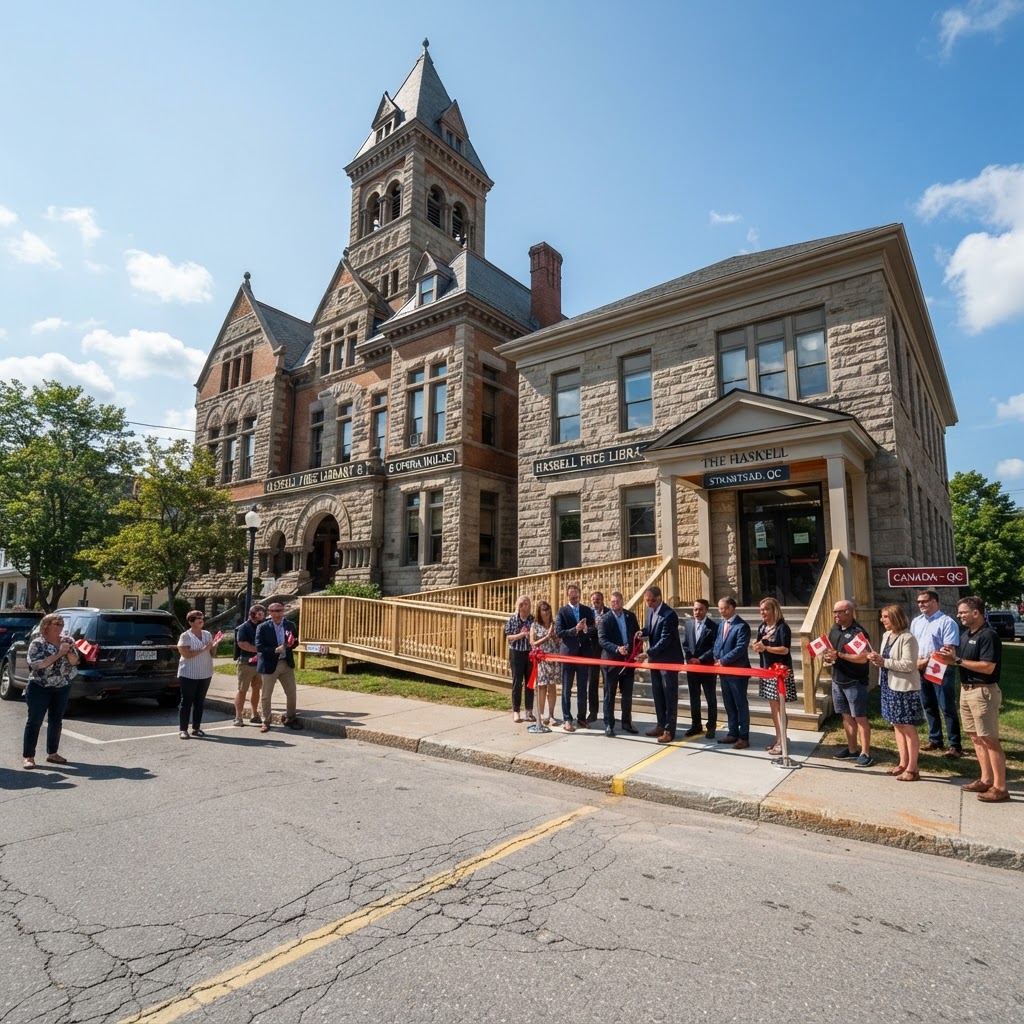
Historic Border Library Reconnects Nations with New Canadian Entrance
1 hour 8 minutes ago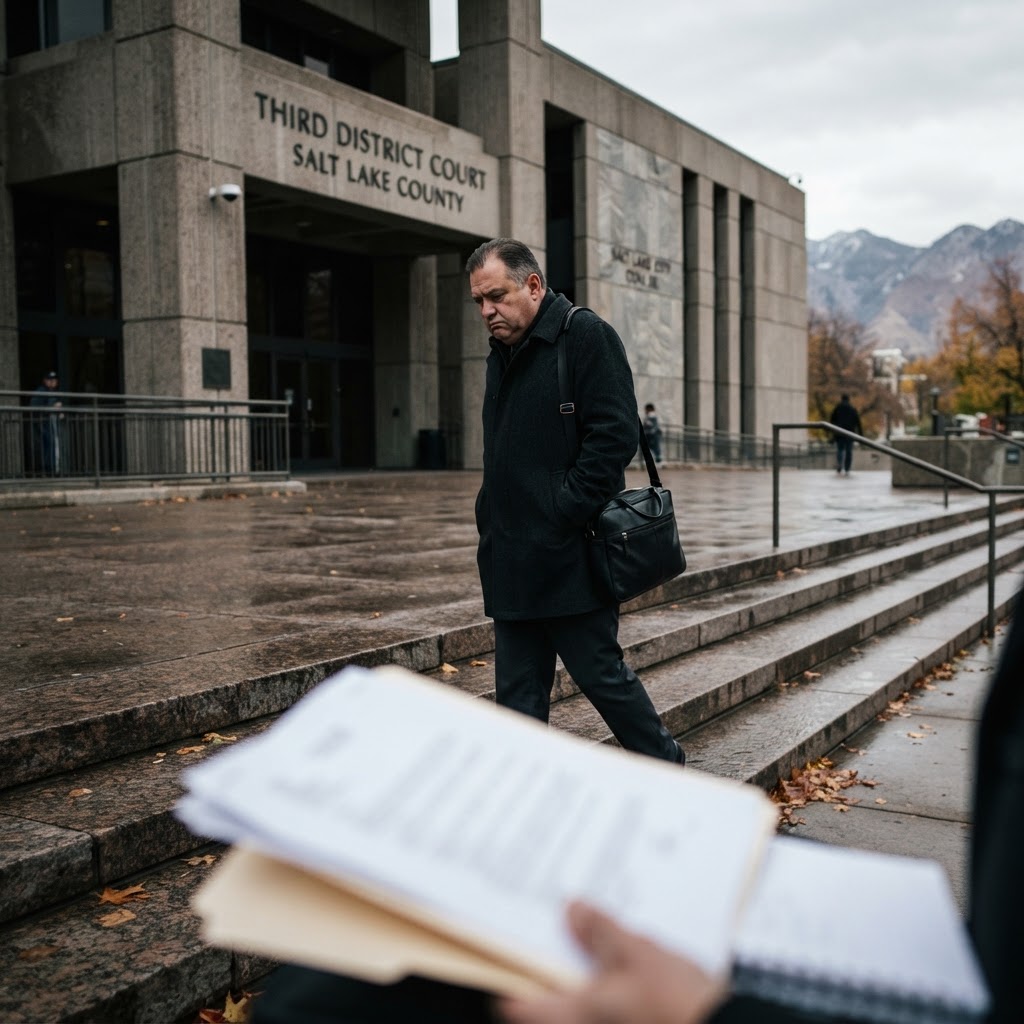
Erika Kirk Challenges Defense Request for 2029 Trial in Husband's Murder Case
1 hour 9 minutes ago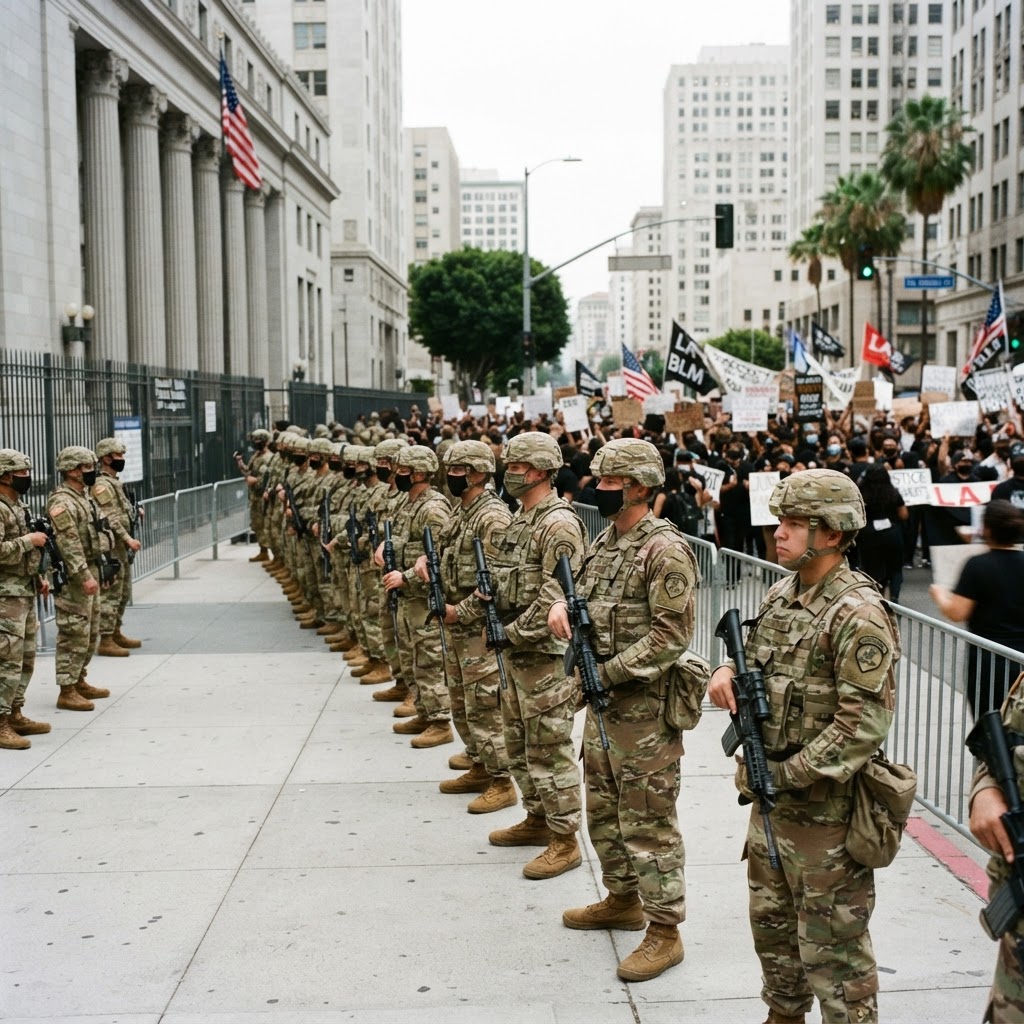
Appeals Court Rules Trump’s California National Guard Deployment Unlawful
1 hour 9 minutes agoDiscussion (0)
No comments yet. Be the first to join the discussion.