U.S. Shifts Strategy as Iran Conflict Transitions to Economic Warfare
With peace negotiations stalling and military options yielding limited results, the administration pivots back to a campaign of financial pressure.
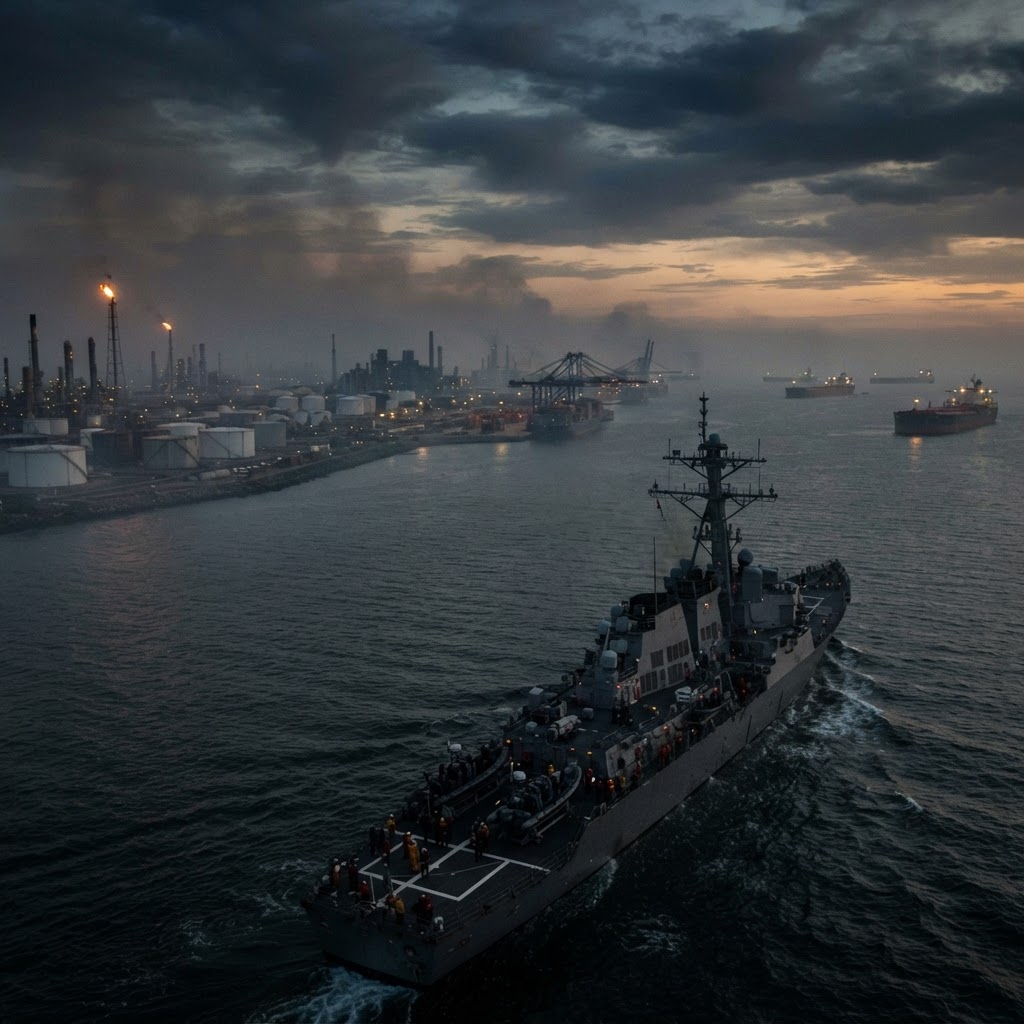
The United States and Iran are currently approaching a critical deadline for peace negotiations, yet both nations appear poised to miss the target date for finalizing a comprehensive agreement. As the conflict evolves, the Trump administration has increasingly moved away from direct military engagement, opting instead to revive a strategy centered on aggressive economic sanctions and a naval blockade of Iranian ports. This shift marks a return to familiar tactics, even as officials acknowledge that similar financial pressures have historically struggled to curb Iran's nuclear ambitions.
The collapse of the June ceasefire agreement has left the diplomatic landscape in disarray. Iranian officials have signaled that the previous framework is effectively defunct, leading to a hardening of positions on both sides. In a notable escalation of rhetoric, President Trump has countered Iranian demands for war reparations by insisting that Tehran should instead provide compensation to the United States. This tit-for-tat exchange underscores the growing distance between the two powers as they struggle to find common ground on nuclear oversight and regional stability.
Central to this economic battle is the control of vital maritime shipping lanes. The ongoing conflict has significantly disrupted the flow of global oil supplies, with the waterway serving as a primary point of leverage for Tehran. In response, the U.S. has intensified its naval presence, enforcing a blockade that has led to direct confrontations at sea. These actions are part of a broader effort to isolate the Iranian economy, with the administration threatening severe consequences for any international entities that continue to conduct business with the regime.
Despite the mounting pressure, there is skepticism regarding the efficacy of this renewed financial squeeze. Iran has demonstrated a long-term capacity to adapt to international isolation, having navigated decades of similar restrictions. While the White House maintains that this 'new phase' of the conflict is the most viable path toward a resolution, the lack of a clear exit strategy or defined victory conditions continues to complicate the outlook. As the standoff persists, the international community remains watchful, waiting to see if these economic measures will force a breakthrough or merely prolong the current stalemate.
RELATED DISPATCHES


Discussion (0)
No comments yet. Be the first to join the discussion.