U.S. Secures Unprecedented Access to Venezuelan Oil Reserves
A controversial agreement grants the United States majority control over 65 billion barrels of Venezuelan crude, sparking intense debate over national sovereignty.
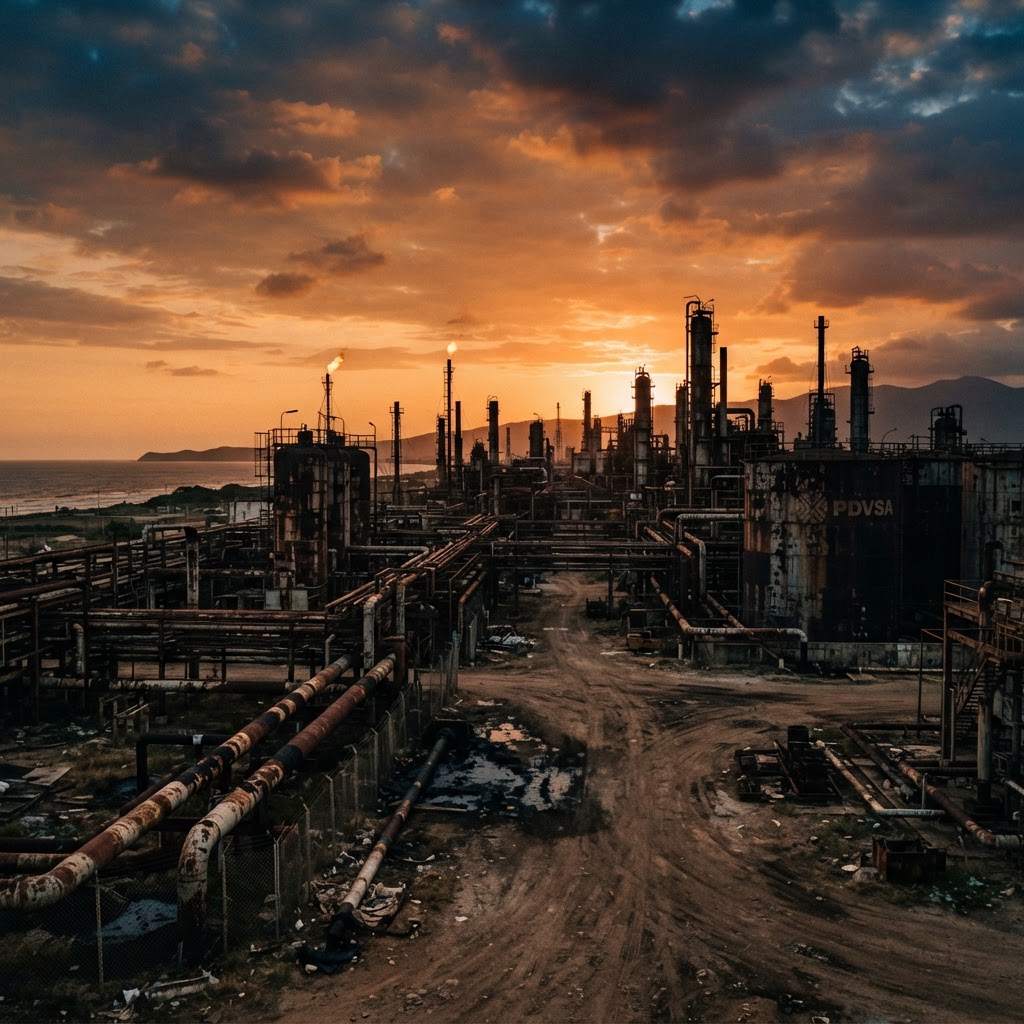
In a move that has sent shockwaves through the energy sector and international political circles, the Trump administration has finalized a deal to secure majority control over 65 billion barrels of Venezuelan oil. This agreement, which represents approximately one-fifth of the nation's total proven reserves, marks a significant departure from traditional U.S. foreign policy, which typically leaves oil exploration to private entities rather than taking direct stakes in foreign energy assets. Under the terms of the arrangement, the United States will hold a 55% effective output stake in a newly formed private company, granting it the right to purchase crude at cost.
President Trump has framed the initiative as a strategic victory for American energy security, suggesting that the influx of Venezuelan oil will help stabilize domestic fuel prices and bolster U.S. strategic stockpiles. However, the deal has faced immediate scrutiny due to its unusual structure and the long-term implications for Venezuela. The agreement reportedly includes 100-year development rights, a duration that critics argue effectively sidelines Venezuelan control over its own most valuable natural resource for generations to come.
The reaction within Venezuela has been deeply polarized. While the interim government has welcomed the investment as a necessary catalyst to revive the country’s struggling energy infrastructure, the move has ignited widespread indignation across the political spectrum. For many Venezuelans, who have long viewed their massive oil wealth as a fundamental birthright and a pillar of national identity, the sight of a foreign power asserting such direct control over their reserves has been met with sharp resistance.
International observers remain cautious, noting that the deal is fraught with logistical and legal uncertainties. Venezuela’s energy sector has suffered from years of neglect and underinvestment, and experts warn that the country’s weak infrastructure could severely hamper the effectiveness of the new partnership. Furthermore, the agreement arrives at a time when global leaders are pushing for a transition away from fossil fuels, creating a complex tension between Venezuela’s desire to exploit its resources for economic development and the global urgency to address climate change.
As the administration moves to implement the deal, the long-term impact on both the U.S. economy and Venezuelan sovereignty remains to be seen. While the White House continues to tout the agreement as a historic win for American interests, the political fallout continues to test the limits of international cooperation and the definition of national ownership in an era of shifting energy alliances.
RELATED DISPATCHES


Discussion (0)
No comments yet. Be the first to join the discussion.