U.S. Administration Plans New Tariffs to Counter Global Industrial Overcapacity
Washington targets 16 trading partners with fresh import duties aimed at curbing state-subsidized production surpluses.
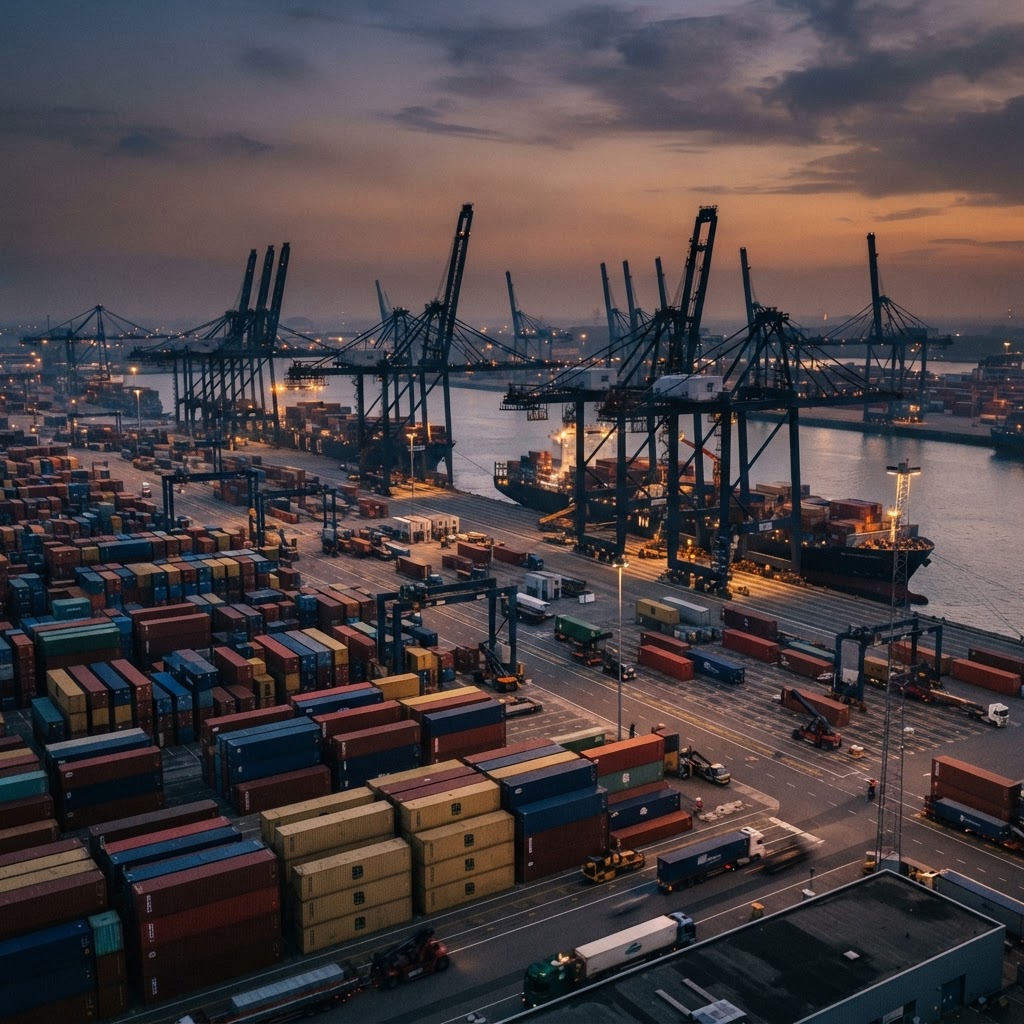
The Trump administration is finalizing a new series of import tariffs targeting China, the European Union, and 14 other major trading partners. This move follows an extensive investigation by the Office of the United States Trade Representative (USTR) into foreign industrial policies, which Washington claims have led to excessive production capacity and unfair market advantages that harm American businesses.
According to reports, the upcoming measures are designed to address government-backed subsidies that allow foreign manufacturers to flood global markets with low-priced goods. The USTR probe identified structural overcapacity across several critical sectors, including semiconductors, advanced batteries, industrial robotics, and consumer electronics. By imposing these levies, the administration aims to neutralize the price distortions caused by foreign state support.
While the final duty rates remain under review, officials suggest that the structure will be tiered based on existing trade agreements. Nations that have previously negotiated trade deals with the U.S., such as Japan, South Korea, and the EU, are expected to see their supplemental tariffs capped at approximately 15%. In contrast, countries without such agreements, including India and Vietnam, may face higher levies. China is anticipated to encounter the most significant tariff burden due to the scale of its state-led industrial subsidies.
To avoid double-taxation on goods already covered by national security measures, the new plan will likely exclude items such as steel, aluminum, and automobiles, which are currently subject to Section 232 tariffs. The administration has also indicated that it may implement automatic escalation mechanisms, allowing for future tariff increases if foreign production volumes do not decrease or if trade negotiations stall.
This policy represents a continuation of the administration's broader strategy to prioritize domestic manufacturing and reduce trade deficits. As the White House prepares to unveil the formal findings of its Section 301 investigation, the global trade community remains focused on how these measures will impact supply chains and whether they will trigger retaliatory actions from affected nations.
RELATED DISPATCHES


Discussion (0)
No comments yet. Be the first to join the discussion.