U.N. Nations Agree to Develop Autonomous Weapons Framework Amid Procedural Hurdles
Member states commit to a two-year process to address the regulation of 'killer robots' following intense diplomatic friction.
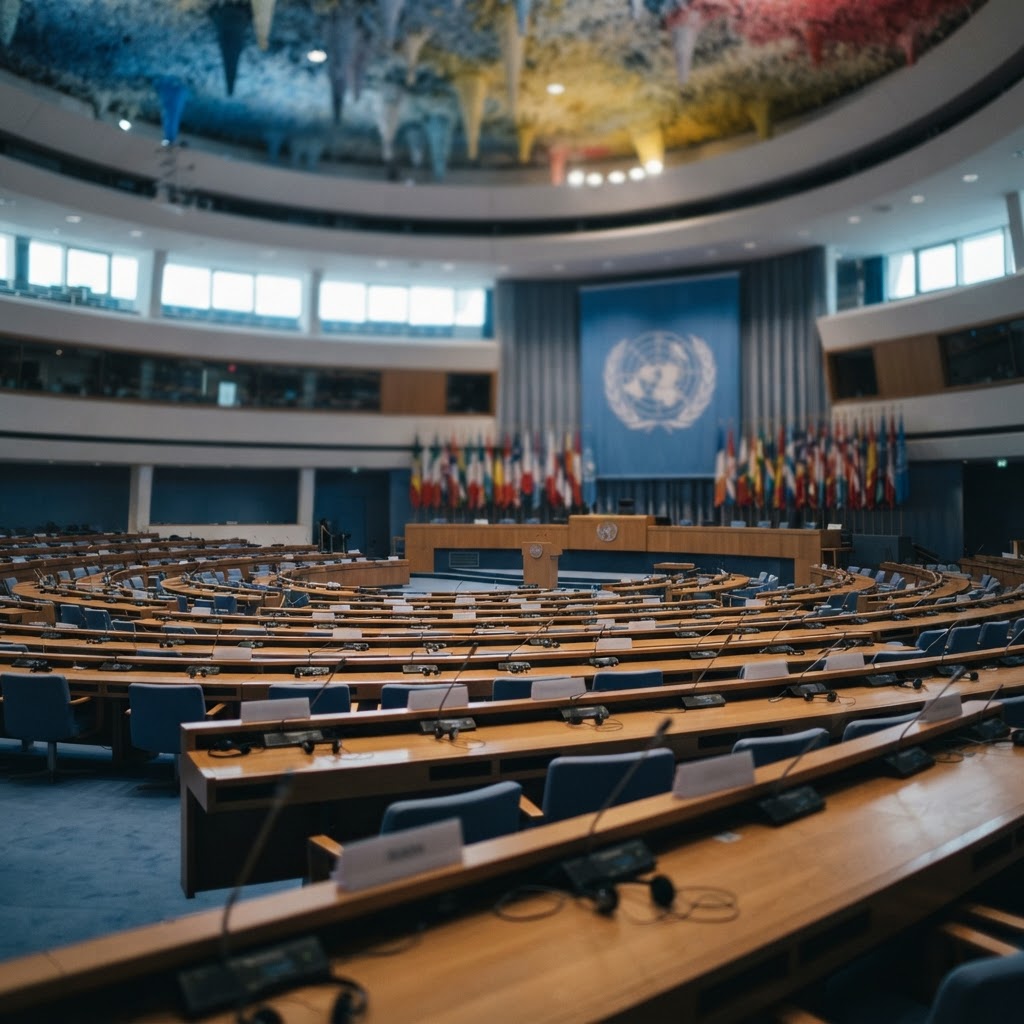
A recent United Nations conference in Geneva concluded with 128 member states agreeing to a two-year mandate to develop an international instrument for regulating lethal autonomous weapons systems (LAWS). Often referred to as 'killer robots,' these technologies utilize artificial intelligence and sensors to select and engage targets without direct human intervention. While the agreement marks a step forward, it falls short of the immediate, legally binding treaty that many humanitarian groups and UN officials had urgently requested.
The path to this consensus was fraught with difficulty. The conference, held under the Convention on Certain Conventional Weapons (CCW), faced an immediate procedural impasse on its opening day when Russia raised objections regarding the participation of observers, including the European Union. This tactic effectively stalled the agenda and highlighted the persistent challenges of achieving progress within a framework that requires unanimous consent from all participating nations.
Throughout the week, a clear divide emerged between participating countries. Over 70 nations, supported by the UN Secretary-General and various human rights organizations, advocated for a legally binding treaty to ensure that human judgment remains central to life-and-death decisions on the battlefield. Conversely, major military powers including the United States, Russia, and Israel resisted these calls, favoring non-binding guidelines and longer timelines for discussion.
The final compromise allows for a two-year window to propose regulations, though the nature of these rules—whether they will be mandatory or optional—remains a point of significant uncertainty. Critics, including representatives from the Stop Killer Robots coalition, have characterized the outcome as a weak mandate, warning that the rapid advancement of military AI technology may outpace the slow progress of international diplomacy.
As the international community looks toward the next two years of deliberations, the debate over how to govern autonomous warfare continues to intensify. With the CCW process often hampered by consensus requirements, some observers suggest that future efforts to establish strict prohibitions may need to shift toward alternative forums or broader UN General Assembly initiatives to ensure that meaningful human control is maintained over the future of combat.
RELATED DISPATCHES

Trump Administration Unveils Strategy to Sell Federal Lands
2 hours 43 minutes ago
President Trump Marks National Rural Health Day with Record-Breaking Funding
2 hours 43 minutes ago
President Trump Appoints Pentagon Cyber Chief Kirsten Davies as National Cyber Director
2 hours 43 minutes agoDiscussion (0)
No comments yet. Be the first to join the discussion.