Trump Administration Unveils Strategy to Sell Federal Lands
New Interior Department plan aims to reduce the federal real estate footprint by offering land to state, local, and tribal governments.
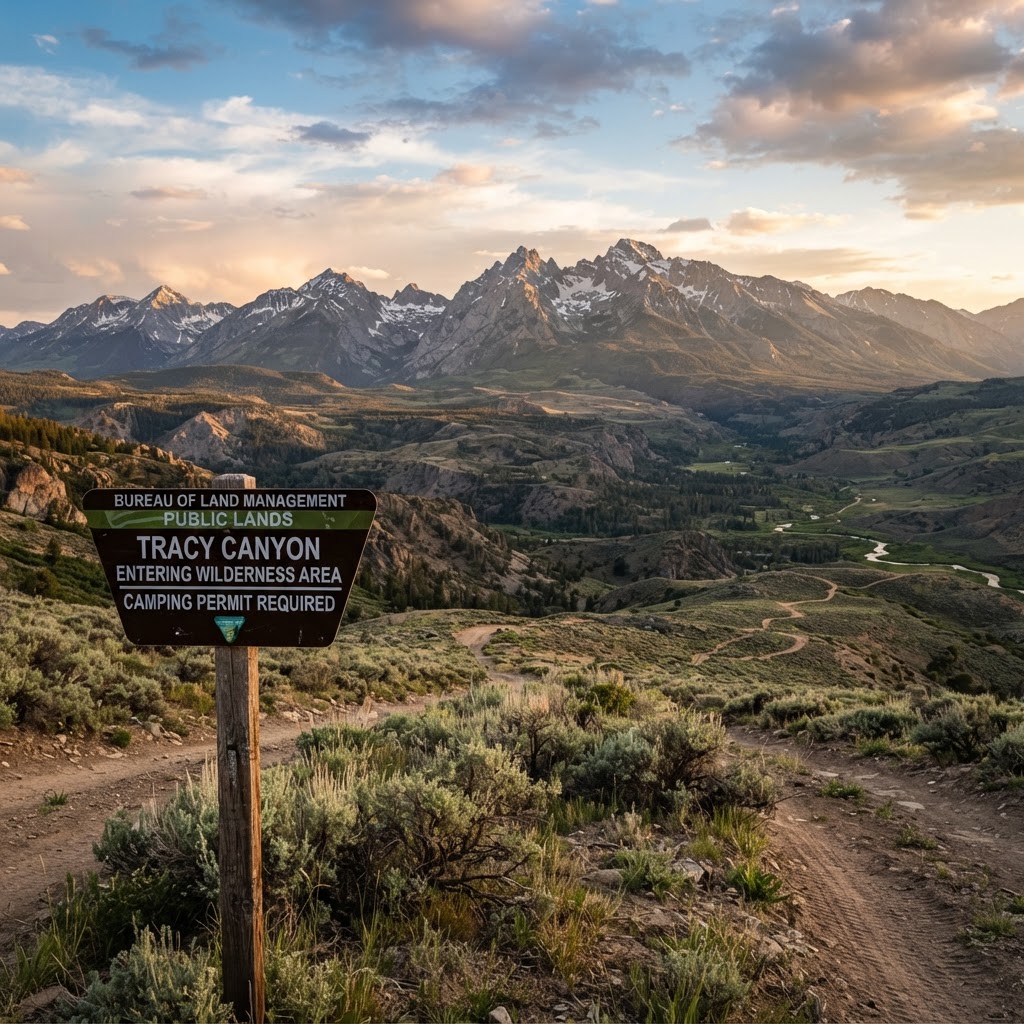
The Trump administration has officially signaled a shift in land management policy, announcing in a new five-year strategic plan that it intends to sell off portions of federal property. The Department of the Interior, led by Secretary Doug Burgum, stated that the initiative is designed to decrease the size of the federal estate, allowing the government to concentrate its resources on primary responsibilities and lands deemed of national significance. This move marks a departure from decades of precedent that generally restricted the sale of public holdings.
Under the proposed framework, federal lands would be made available for purchase by state, local, and tribal entities. The administration suggests that this approach will improve operational efficiency and reduce the financial burden of managing vast tracts of territory. While the plan does not identify specific parcels for sale or provide a concrete timeline, it emphasizes a goal of streamlining the federal workforce and consolidating land management efforts.
Interior Secretary Burgum has previously characterized the nation's 640 million acres of federal land as a balance sheet, advocating for increased access and development. The new strategy also indicates that the department will move away from using the Land and Water Conservation Fund for new acquisitions, opting instead to prioritize increasing public access to existing private lands. Furthermore, the administration has introduced regulatory proposals intended to expedite the use of public lands for industrial activities, including mining, drilling, and the construction of data centers.
The announcement has drawn sharp criticism from environmental advocacy groups and several lawmakers, who argue that the policy prioritizes commercial extraction over conservation. Critics express concern that transferring land to state or local control could lead to privatization, potential loss of public access, and financial strain on states that may lack the resources to manage large-scale environmental challenges like wildfires. Opponents have vowed to challenge the initiative, asserting that public lands should remain under federal stewardship for the benefit of all citizens.
RELATED DISPATCHES

President Trump Marks National Rural Health Day with Record-Breaking Funding
2 hours 43 minutes ago
President Trump Appoints Pentagon Cyber Chief Kirsten Davies as National Cyber Director
2 hours 44 minutes ago
President Trump Highlights Administration Achievements and Opens Door to Healthcare Negotiations
2 hours 44 minutes agoDiscussion (0)
No comments yet. Be the first to join the discussion.