Trump’s Middle East Exit Strategy Faces Mounting Obstacles
President Trump struggles to disengage from conflicts in Iran and Gaza as regional leaders and shifting dynamics complicate his withdrawal plans.

President Donald Trump is finding it increasingly difficult to fulfill his goal of disengaging from the Middle East, as persistent instability in Iran and Gaza continues to demand U.S. attention. Despite his stated desire to move past these conflicts, the administration is encountering significant resistance from both adversaries and allies, complicating efforts to declare a definitive success before the upcoming midterm elections. The President’s attempts to pivot away from these regions have been repeatedly thwarted by the unpredictable nature of the ongoing crises.
In the conflict with Iran, the administration’s strategy has shifted from seeking a diplomatic breakthrough to implementing a campaign of economic pressure. After months of military engagement failed to yield the desired concessions, the White House has struggled to stabilize the situation, particularly regarding the critical Strait of Hormuz. Iran’s leadership has remained defiant, demanding reparations and other concessions, which has kept the region in a state of high tension and directly impacted global energy markets and domestic U.S. inflation.
Simultaneously, efforts to secure a lasting peace in Gaza have hit a major roadblock. While the administration proposed a 15-point peace plan intended to stabilize the territory, Israeli Prime Minister Benjamin Netanyahu publicly rejected the proposal, creating a public rift between the two nations. This rejection has left the White House in a precarious position, as it attempts to manage its relationship with a key regional partner while simultaneously trying to wind down a war that has drawn criticism from former Israeli security officials and domestic observers alike.
These dual challenges have left the President’s foreign policy agenda appearing increasingly stalled. With the midterm elections approaching, the inability to secure a clean exit from these theaters of conflict has become a political liability. As the administration navigates these complex diplomatic and military hurdles, it remains unclear how the White House will reconcile its desire for a low-key approach with the reality of a region that continues to resist American efforts to withdraw.
RELATED DISPATCHES
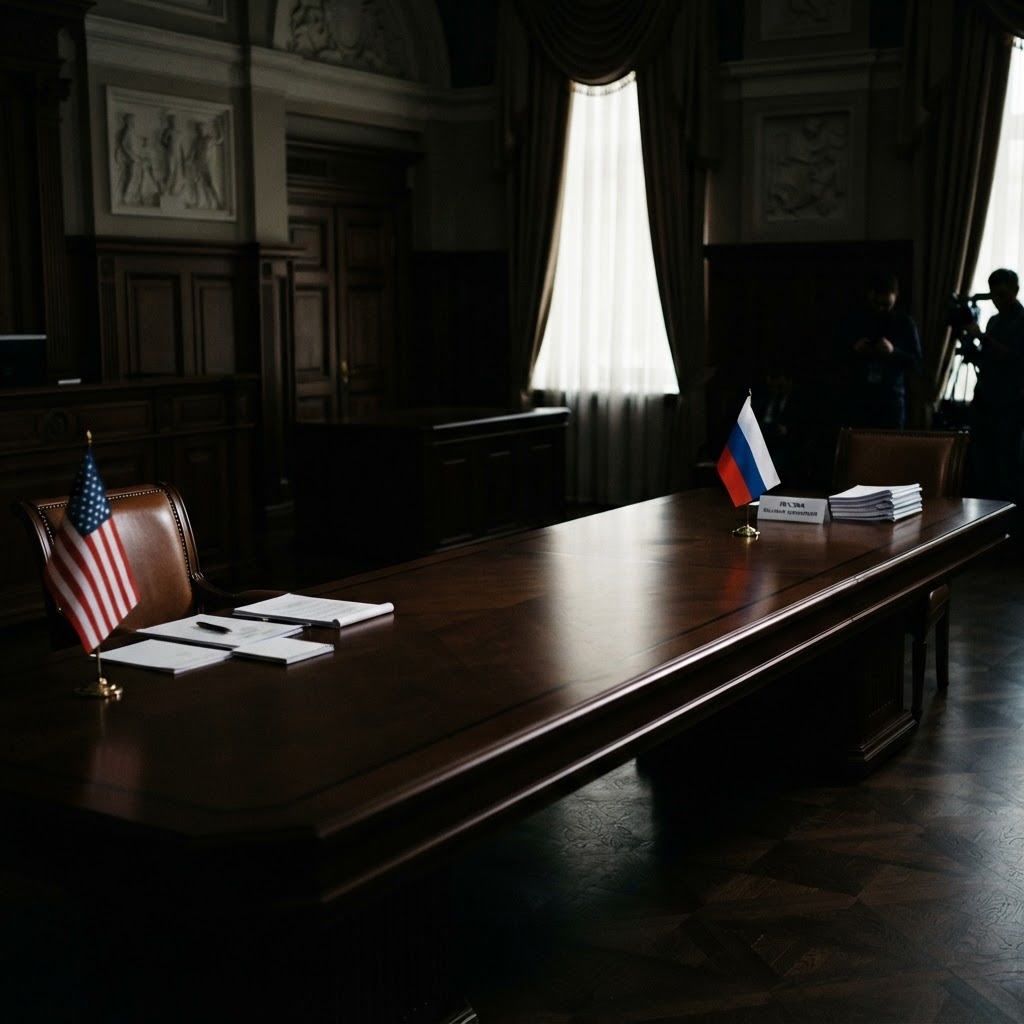
Putin’s Strategic Gains: Navigating U.S. Ties Without Concession
3 hours 58 minutes ago
U.S. Orders Partial Diplomatic Withdrawal Following Deadly Houthi Strikes in Saudi Arabia
3 hours 58 minutes ago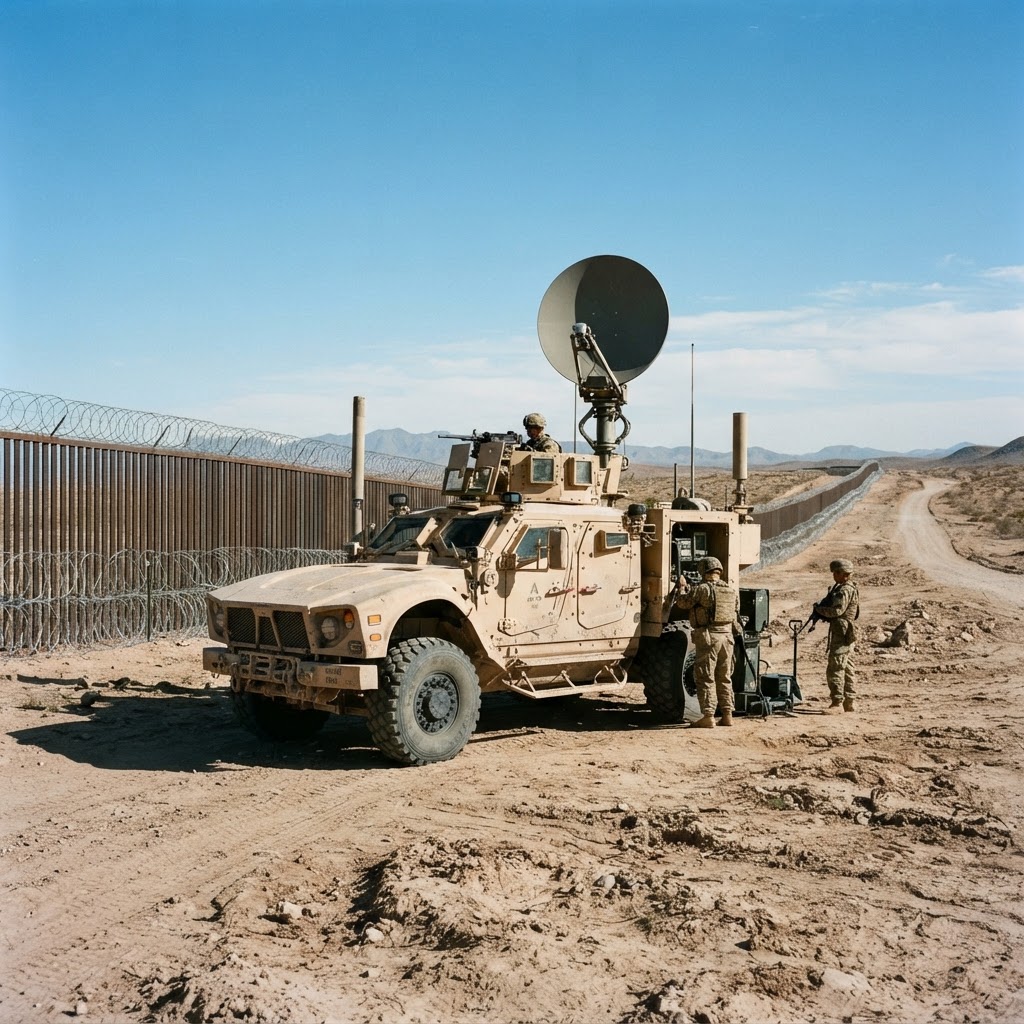
Pentagon Authorizes DHS to Test Military-Grade Heat Ray for Border Operations
3 hours 58 minutes agoDiscussion (0)
No comments yet. Be the first to join the discussion.