Putin’s Strategic Gains: Navigating U.S. Ties Without Concession
Russian leadership appears to be successfully securing diplomatic advantages while maintaining its firm stance on the conflict in Ukraine.
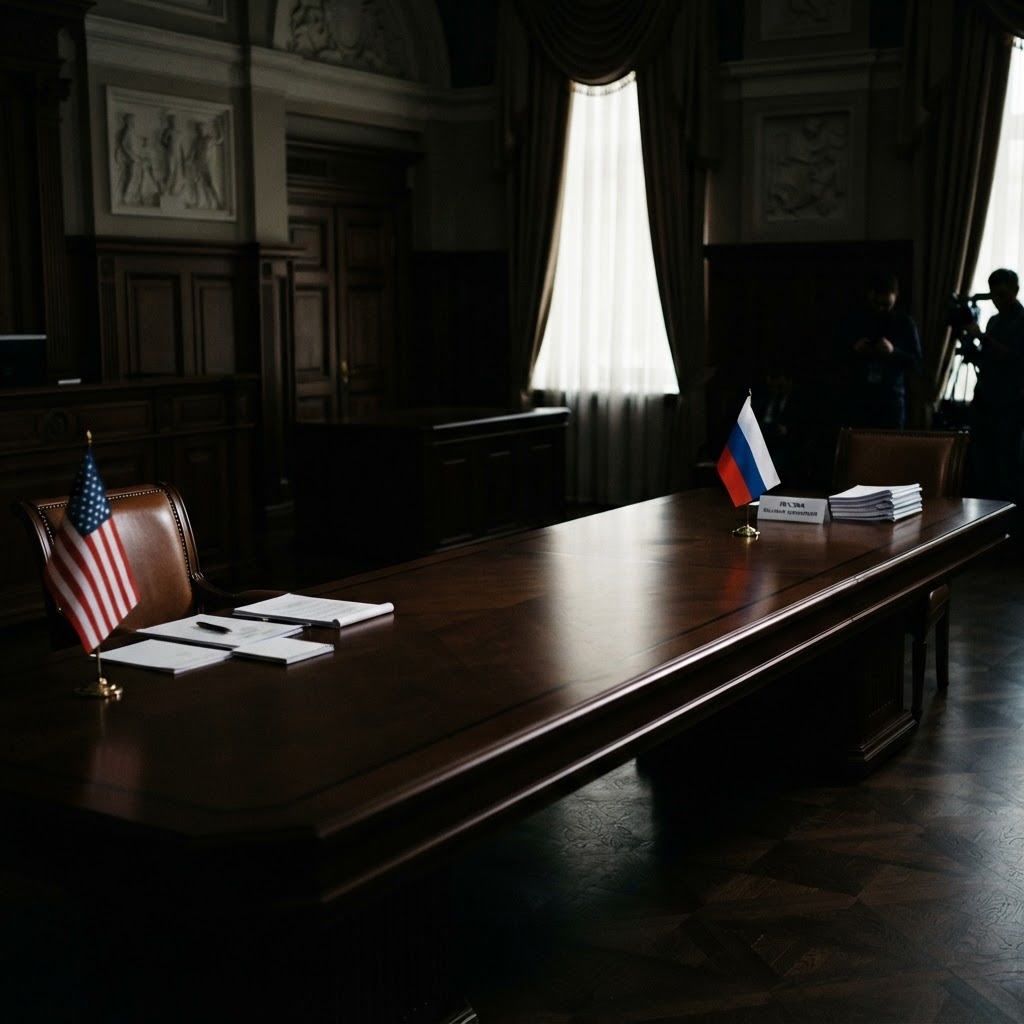
In a significant shift in international relations, the Russian government has managed to cultivate a more favorable diplomatic environment with the United States without offering meaningful compromises. Analysts observe that while the Kremlin has engaged in high-level discussions, it has remained steadfast in its territorial objectives and defiant against Western sanctions. This approach has allowed Moscow to navigate the complexities of the current administration's foreign policy while keeping its core strategic interests intact.
Since the start of the second Trump presidency, the bilateral relationship has undergone a notable transformation. Early in the term, symbolic gestures at the United Nations suggested a potential thaw, with the U.S. occasionally aligning with Russian positions. These developments fueled speculation that a major reset was underway, yet observers note that this diplomatic maneuvering has largely benefited Moscow’s narrative, framing the war as a matter to be settled exclusively between the two superpowers.
Despite repeated attempts by U.S. envoys to broker a ceasefire, the Kremlin has shown little inclination to alter its course. Recent diplomatic missions have faced criticism for being ineffective, as Russian officials continue to insist that they are committed to achieving all their stated goals in Ukraine. By maintaining this hardline position, Putin has effectively avoided making concessions that would satisfy Western demands for a peaceful resolution.
Furthermore, the Russian leadership has successfully utilized the promise of future cooperation to keep Washington engaged. By framing the conflict through a lens of grievances against Western influence, Moscow has managed to keep the U.S. focused on negotiations that yield few tangible results for Ukraine. This strategy of groundhog diplomacy—characterized by repetitive, circular discussions—has allowed Russia to solidify its position on the ground while keeping the international community in a state of perpetual, inconclusive dialogue.
As the geopolitical landscape continues to evolve, the disparity between U.S. diplomatic efforts and Russian actions remains stark. While Washington seeks a quick resolution to the conflict, Moscow’s refusal to budge on its core demands suggests that the current thaw in relations is more of a strategic victory for the Kremlin than a genuine move toward peace. The ongoing influence campaigns and the hardening of Russian demands indicate that the path forward remains fraught with challenges, with little evidence that the current diplomatic trajectory will lead to a lasting settlement.
RELATED DISPATCHES

Discussion (0)
No comments yet. Be the first to join the discussion.