The Long Wait: Ararat Soil Results Won't Land Until Late 2026
Turkish universities are still working through the core samples from the formation, and the numbers, when they arrive, could settle the argument either way.
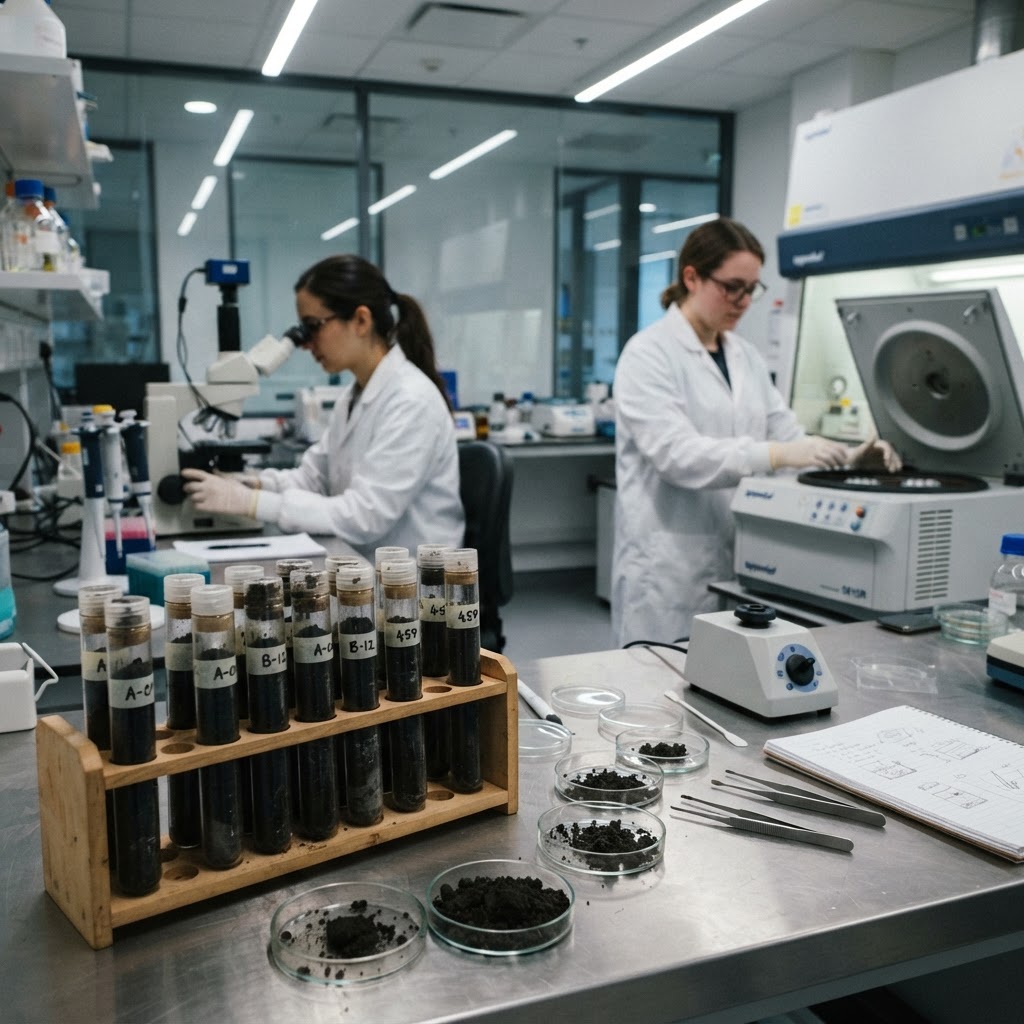
The most anticipated result in the Noah's Ark debate is not a photograph or a scan. It is a laboratory report, and it is not due for months.
Soil and core samples recovered from the formation on Mount Ararat have been sent for analysis to participating institutions in Turkey, including Sivas Cumhuriyet University and Ankara University. Final reports are anticipated later in 2026, meaning the samples that have generated so much attention will spend much of the year inside laboratories rather than on the mountain.
Several tests are expected. Dating methods can estimate the age of organic material in the cores. Pollen and plant analysis can show what grew there and when. Mineralogy and sedimentology can distinguish material that formed in place from material that washed or blew in from somewhere else.
Each result is a piece of a puzzle rather than a verdict, and laboratories move slowly for good reasons. Contamination is a constant risk with ancient samples, and a single misread date can mislead an entire investigation. Repeating a test takes time.
The possible outcomes are wide. The samples could contain organic material far older than any known structure on the mountain, material from a much later period, or material with no clear archaeological link at all. Each would push the discussion in a different direction.
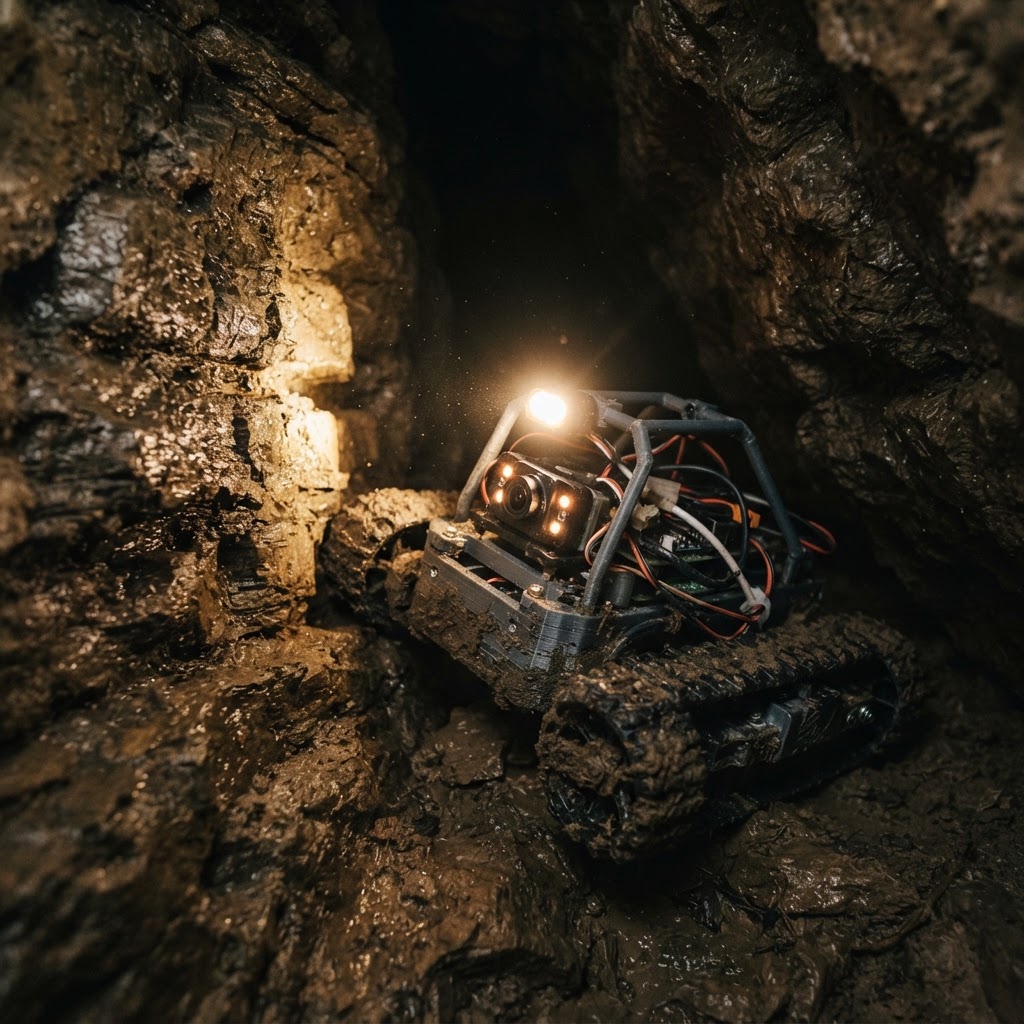
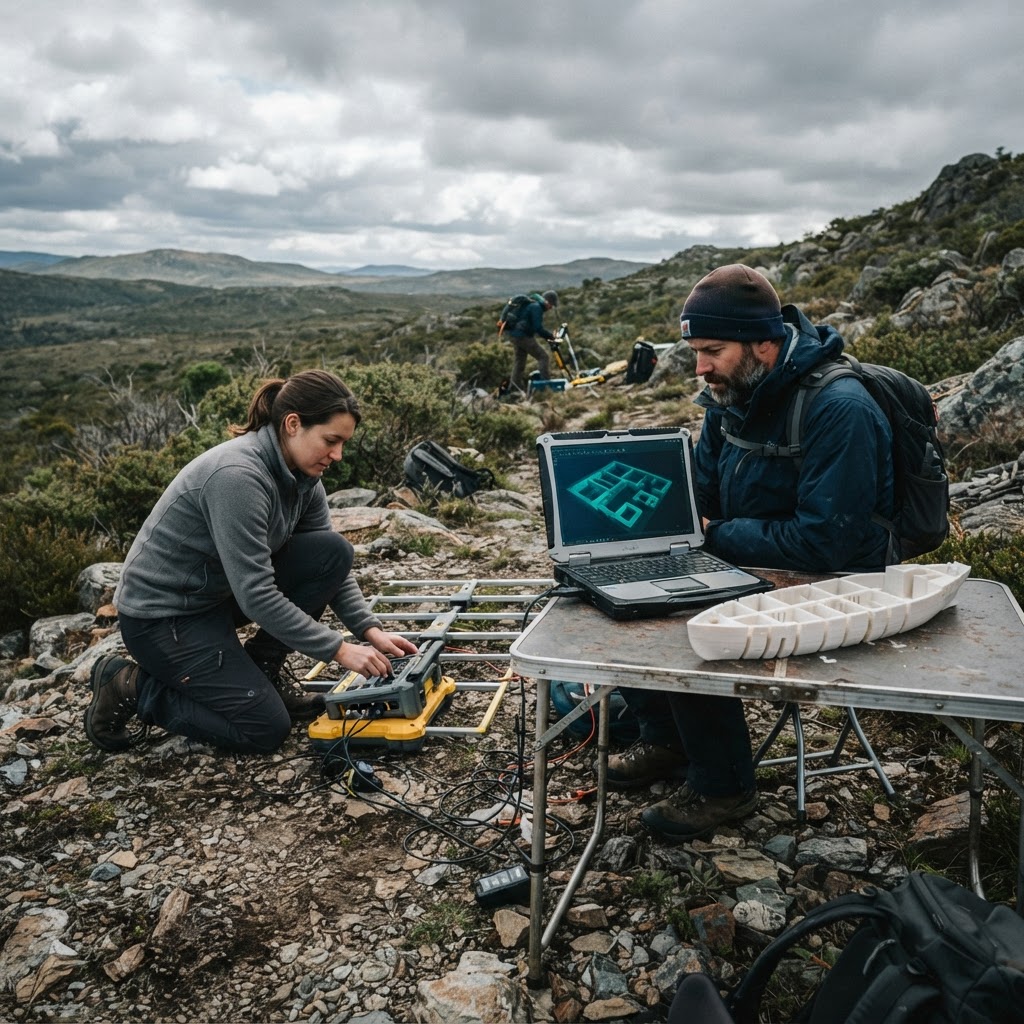
For a project that has already drilled 60 feet, mapped hidden compartments and sent a robot into the cavities, the next chapter will be written quietly, in numbers, behind a laboratory door.
RELATED DISPATCHES
Discussion (0)
No comments yet. Be the first to join the discussion.