Supreme Leader Identifies Moral Governance as Core Pillar of 20-Year Jihad
Hibatullah Akhundzada states that the implementation of Sharia-based virtue laws fulfills the primary objective of the decades-long struggle.
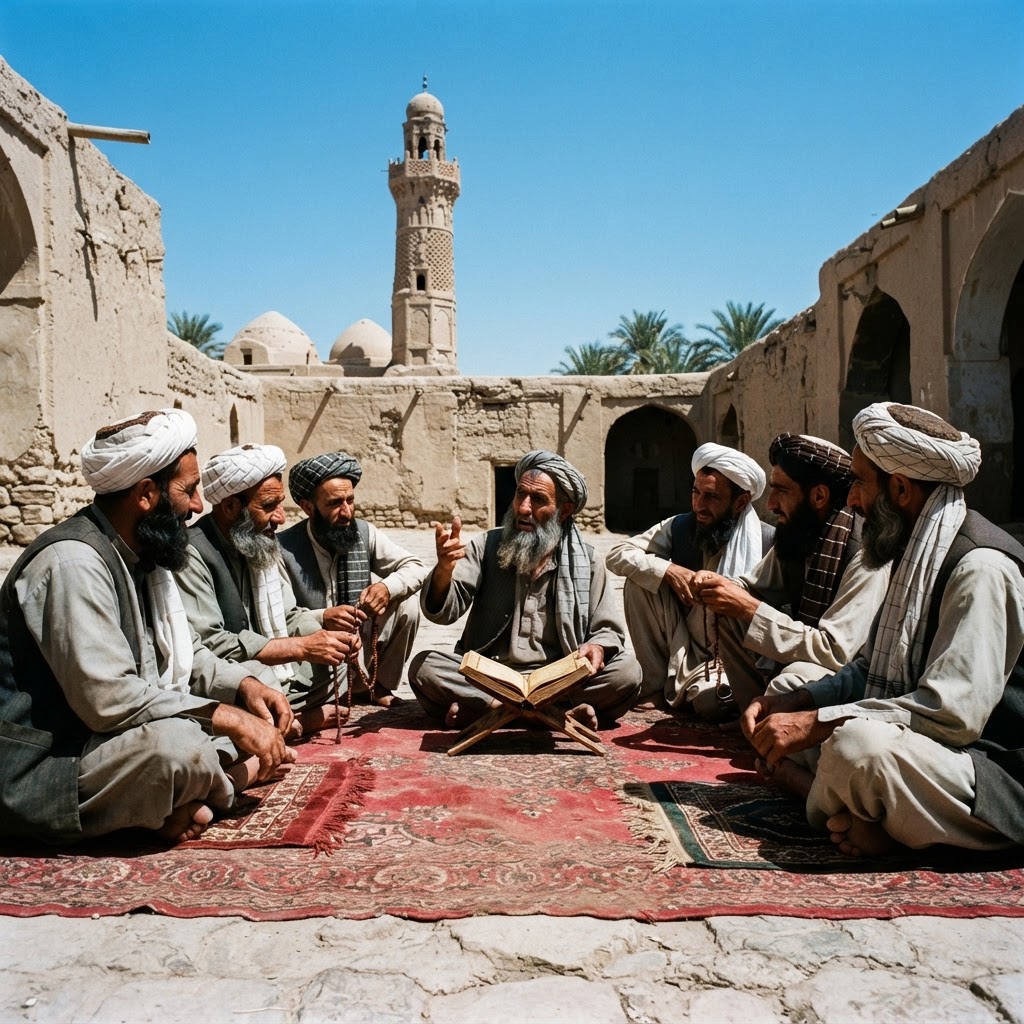
Hibatullah Akhundzada, the Supreme Leader of the Islamic Emirate, has declared that the enforcement of moral codes and religious law was a primary catalyst for the nation’s twenty-year conflict. Speaking at a significant gathering in Kandahar, the leader addressed a diverse group of officials, tribal elders, and religious scholars from several southern provinces. He framed the current legal and social transitions as the ultimate realization of the movement's long-standing objectives. The leader emphasized that the Ministry for the Propagation of Virtue and the Prevention of Vice serves as a vital instrument in fulfilling the promises of the jihad. He argued that the struggle against foreign presence was intrinsically linked to the desire for a society governed strictly by Sharia principles. This perspective positions the ministry’s activities not as new initiatives, but as the culmination of decades of ideological warfare. Akhundzada called upon religious scholars and local elders to take an active role in the social reform process. He suggested that their cooperation is essential for the effective implementation of the recently codified Vice and Virtue law. By involving community leaders, the administration aims to ensure that the transition toward these behavioral standards is integrated into the daily lives of citizens across the country. Officials from the Ministry of Vice and Virtue corroborated these statements, noting that the provincial outreach programs are designed to harmonize local governance with central religious decrees. They stated that the ongoing meetings in provinces like Helmand, Zabul, and Daikundi are intended to clarify the provisions of the law and foster a sense of shared responsibility among the clergy and the public. This renewed focus on moral enforcement occurs amidst a complex international landscape, where foreign governments and human rights organizations have frequently questioned the impact of such laws on personal liberties. However, the leadership in Kandahar has remained resolute, asserting that their governance model is rooted in the sovereign religious identity of Afghanistan rather than external expectations. Observers suggest that Akhundzada’s comments are aimed at reinforcing internal cohesion by reminding the rank-and-file of the spiritual foundations of their victory. By highlighting the virtues of jihad as the basis for current policy, the Islamic Emirate seeks to maintain its core identity while navigating the challenges of national administration and global isolation.
RELATED DISPATCHES
Discussion (0)
No comments yet. Be the first to join the discussion.