Supreme Court Blocks Trump Administration's Mail-In Voting Restrictions
The high court's decision preserves existing mail-in ballot procedures for the upcoming midterm elections.
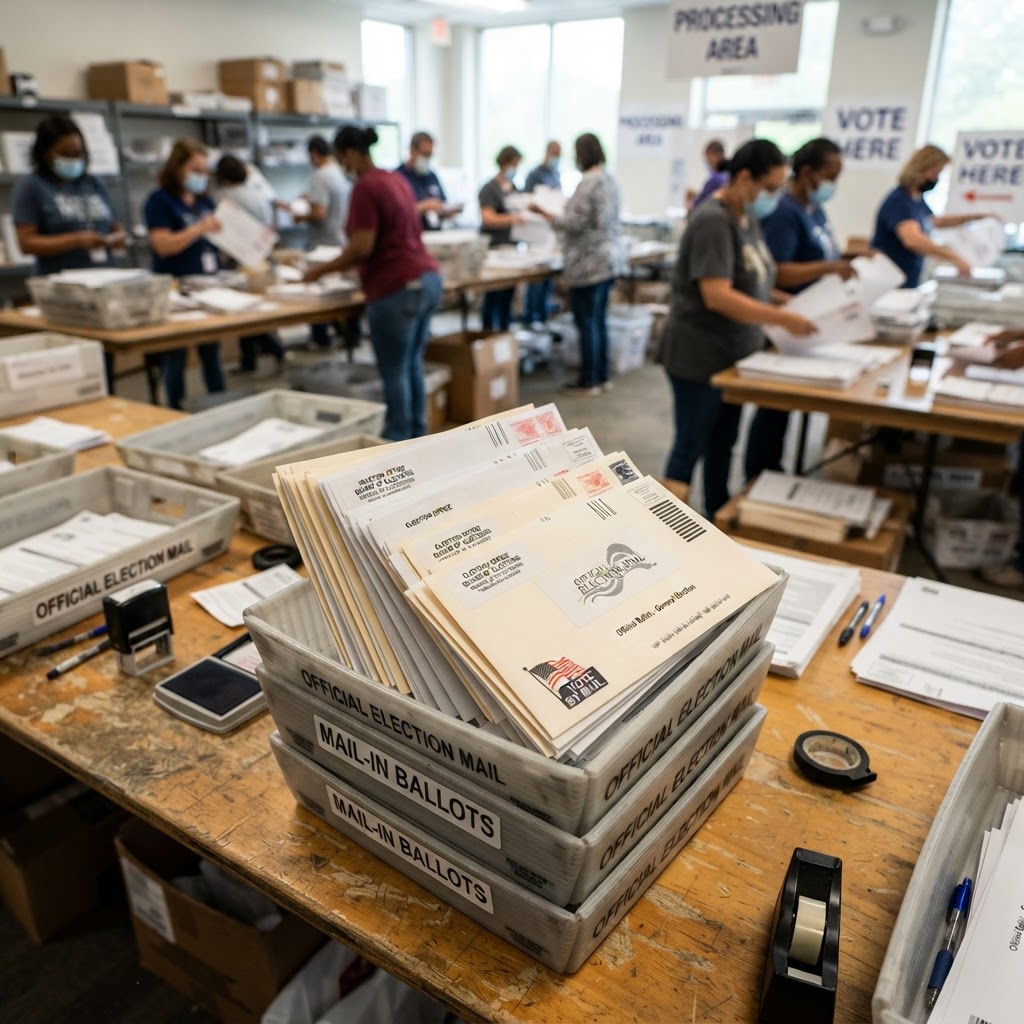
In a significant legal development, the U.S. Supreme Court has declined to permit the Trump administration to enforce new, restrictive measures on mail-in voting ahead of the midterm elections [1, 5]. By refusing to intervene, the justices effectively maintained a lower court's preliminary injunction that prevents the U.S. Postal Service from implementing the controversial changes [1, 8]. This ruling ensures that election officials across the country can proceed with their established ballot distribution processes without the burden of last-minute regulatory shifts [2, 8].
The administration had argued that its proposed rules—which included specific ballot design requirements and data submission mandates—were manageable and within the federal government's authority over postal operations [1, 5]. However, critics, including Democratic officials and various voting rights organizations, contended that the executive order lacked constitutional standing and threatened to disenfranchise millions of voters by creating logistical chaos on the eve of the election [5, 10].
Lower courts had previously found that the administration's plan was likely to cause irreparable harm, with some legal experts warning that even minor technical errors in the proposed barcode system could lead to the mass rejection of valid ballots [5, 10]. The Supreme Court's brief order, which saw dissents from Justices Samuel Alito and Clarence Thomas, signals that the government is unlikely to succeed on the merits of its challenge to the existing injunction [1, 8].
Following the decision, President Trump expressed public frustration with the court, criticizing the justices who ruled against his administration's initiative [9]. Despite the administration's repeated attempts to secure a favorable ruling, the Supreme Court's refusal to act provides a sense of stability for election administrators who were facing significant uncertainty [2, 7]. As a result, the status quo remains in place, allowing voters to cast their ballots through the same methods utilized in previous election cycles [2, 8].
RELATED DISPATCHES
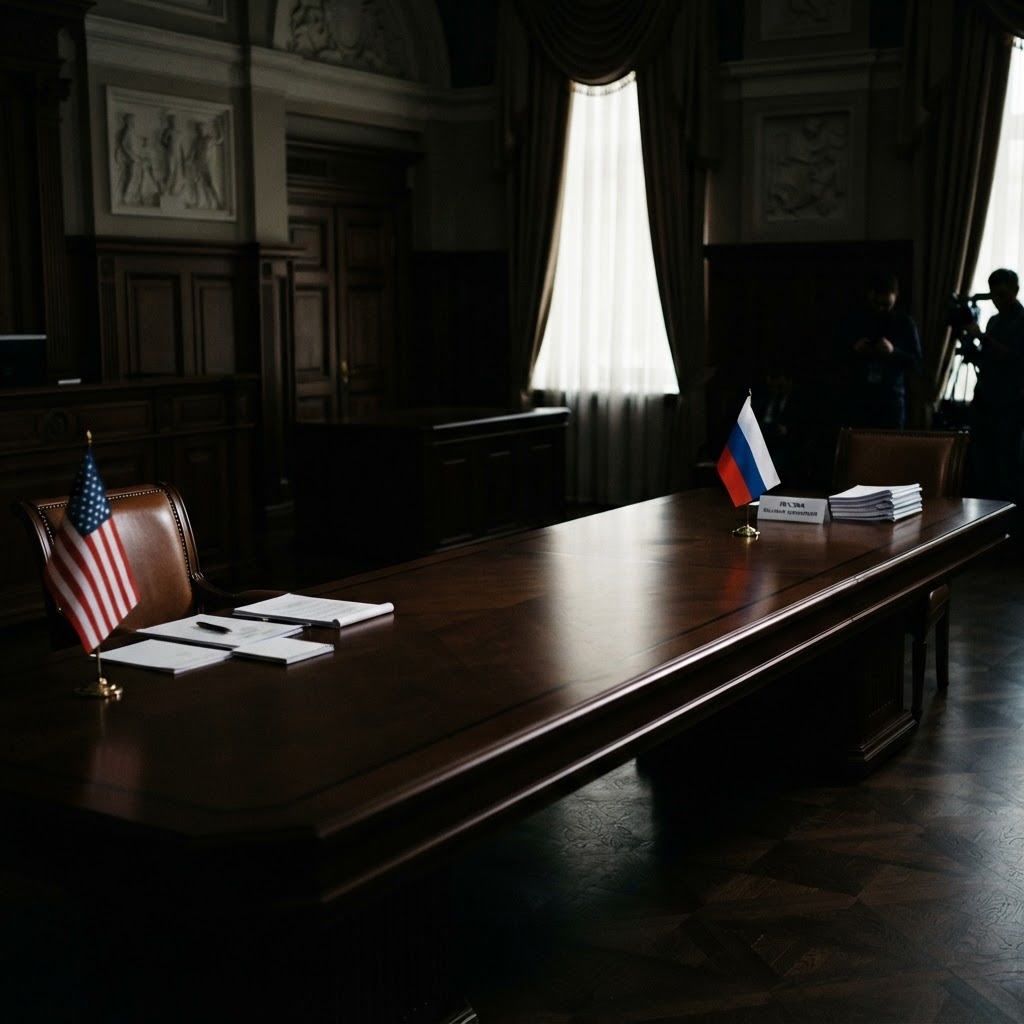
Putin’s Strategic Gains: Navigating U.S. Ties Without Concession
3 hours 44 minutes ago
U.S. Orders Partial Diplomatic Withdrawal Following Deadly Houthi Strikes in Saudi Arabia
3 hours 44 minutes ago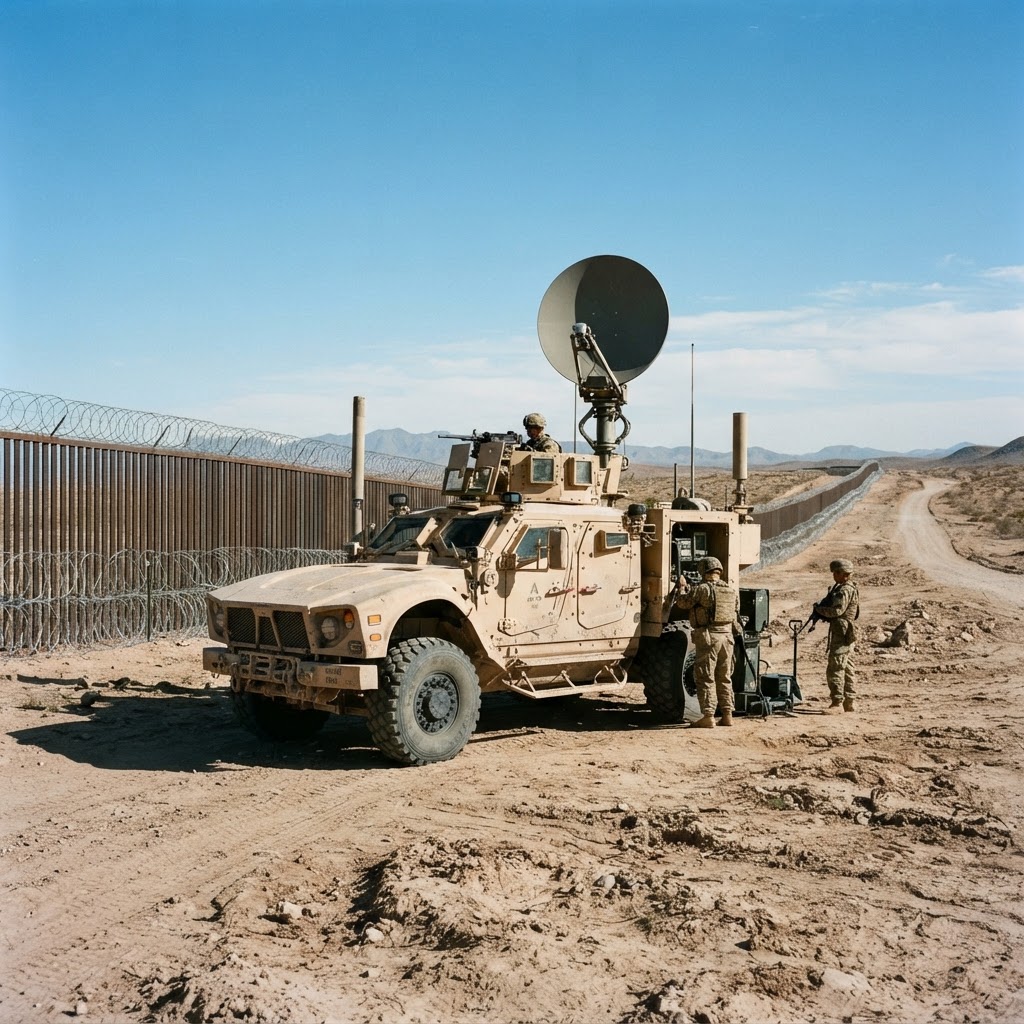
Pentagon Authorizes DHS to Test Military-Grade Heat Ray for Border Operations
3 hours 44 minutes agoDiscussion (0)
No comments yet. Be the first to join the discussion.