Smaller Tankers Sustain Oil Exports Amid Hormuz Security Crisis
Regional energy producers are increasingly relying on a shuttle system of smaller vessels to bypass high-risk supertanker routes in the Strait of Hormuz.
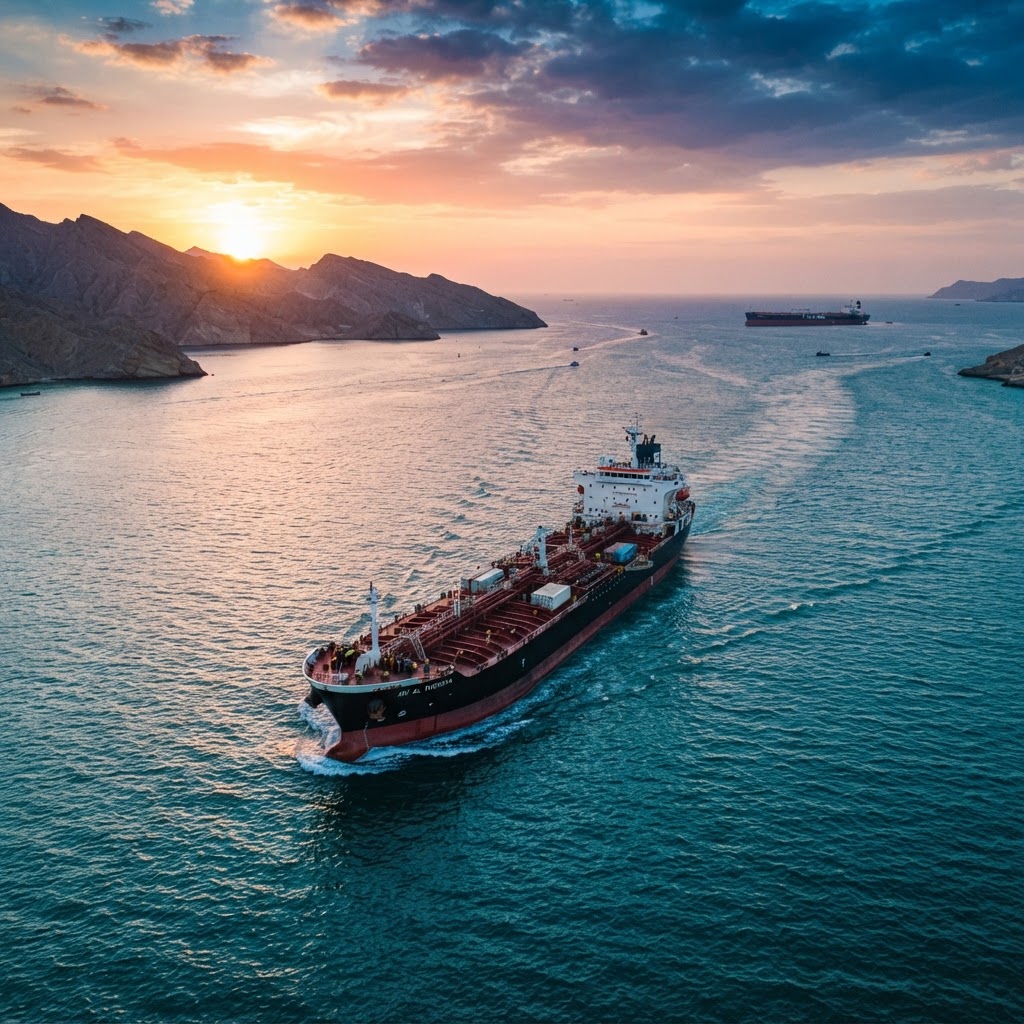
As security conditions in the Strait of Hormuz remain volatile, energy exporters are shifting their logistics strategy to maintain global supply. With attacks on large-scale vessels reaching record highs, shippers are increasingly deploying smaller tankers—specifically Suezmax and Aframax vessels—to ferry crude oil out of the Persian Gulf. This tactical pivot allows producers to keep energy flowing while mitigating the extreme risks currently facing larger, more vulnerable supertankers.
Data indicates that these smaller vessels moved approximately 2 million barrels per day in October, marking the highest volume since the conflict began. This shuttle trade system typically involves loading crude at regional terminals and transporting it to the safer waters of the Gulf of Oman. Once outside the immediate danger zone, the cargo is offloaded via ship-to-ship transfers onto larger tankers waiting to complete the journey to international markets. This method effectively reduces the time spent in high-risk corridors and helps manage soaring insurance premiums.
Regional players, including the United Arab Emirates, Kuwait, and Iraq, have been instrumental in organizing these logistics to ensure their exports reach buyers. By utilizing a flexible network of smaller ships, these nations have managed to keep export levels relatively stable despite the persistent threat of naval mines and projectile attacks. The strategy serves as a vital workaround, functioning alongside existing pipelines that have also been used to bypass the strait.
However, the situation remains far from normal. Iranian authorities have signaled that they are monitoring these shuttle operations, leading to an increase in the number of vessels added to regional blacklists. Despite the ongoing danger and the high costs associated with these specialized operations, the industry continues to adapt. For now, the reliance on smaller, more agile vessels remains the primary defense against the disruption of one of the world's most critical energy chokepoints.
RELATED DISPATCHES

Discussion (0)
No comments yet. Be the first to join the discussion.