Cobalt Market Faces Headwinds as Gadget Demand Softens
Rising memory chip costs are curbing consumer electronics sales, putting downward pressure on global cobalt prices.
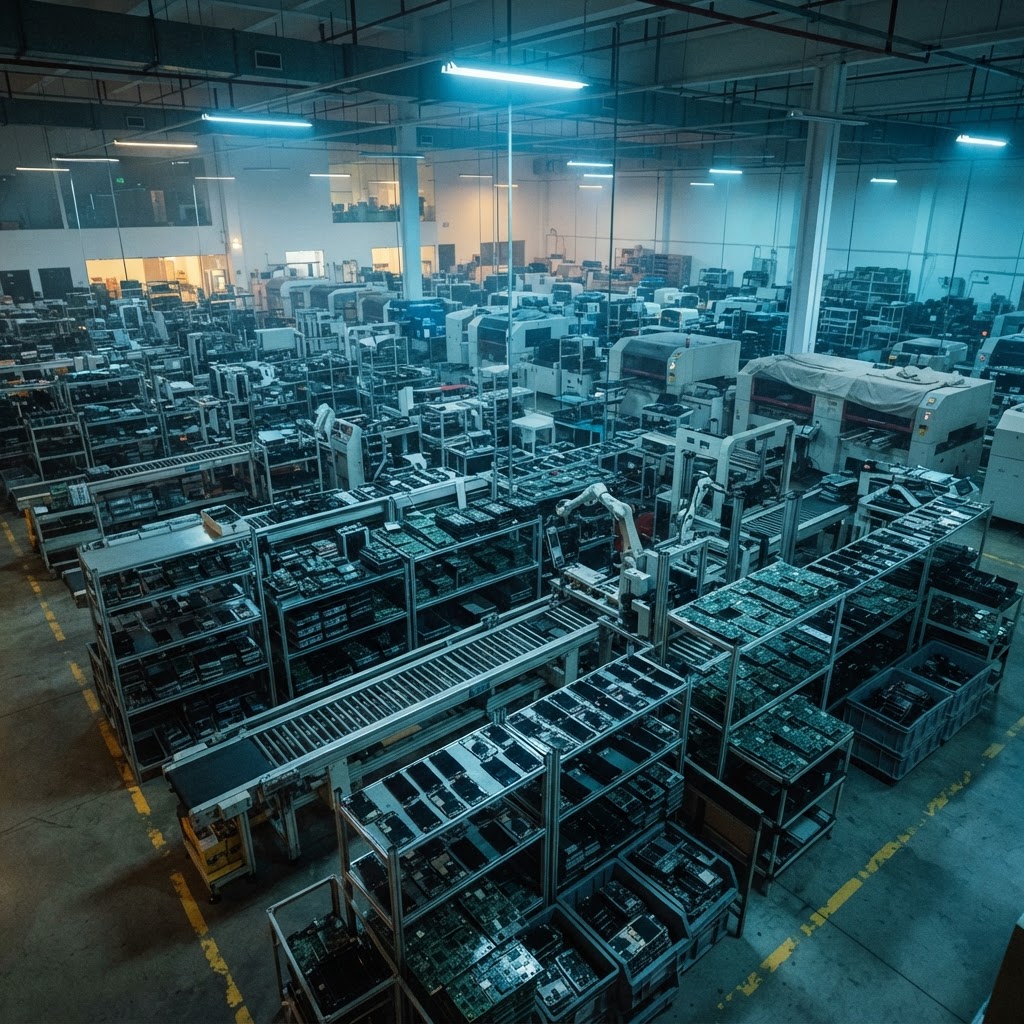
The global market for cobalt is currently navigating a period of significant uncertainty as weakening demand for consumer electronics suppresses prices. Industry analysts have observed that the rising cost of memory chips—driven by intense demand from the artificial intelligence sector—has forced manufacturers to increase the prices of finished devices like smartphones and laptops. This shift has led to a noticeable cooling in consumer interest, lengthening replacement cycles and reducing the overall need for the battery metals used in these products.
This downturn is particularly evident in the sector for lithium-cobalt oxide (LCO) batteries, which are standard in many portable electronics. With shipments of smartphones and tablets facing significant declines, the demand for cobalt-based cathode materials has faltered. Market participants report that the supply chain is currently burdened by a substantial inventory overhang, as manufacturers struggle to clear existing stocks of cobalt salts and battery components amidst the sluggish retail environment.
Despite efforts by major producers to manage supply, the market remains bearish. In the Democratic Republic of Congo, the world’s largest cobalt supplier, export quota systems have been implemented to stabilize the market, yet these measures have struggled to offset the impact of weak downstream consumption. Major mining firms have reported significant drops in production as they adjust to these regulatory constraints and the prevailing low-price environment.
Looking ahead, the industry is closely monitoring the potential for a recovery in 2027. While some hope that increased microchip production capacity will eventually ease the current bottlenecks and lower device costs, the immediate outlook remains cautious. For now, the cobalt market continues to grapple with a persistent mismatch between supply and demand, leaving prices under sustained pressure as the industry waits for a clearer signal of a consumer spending rebound.
RELATED DISPATCHES



Discussion (0)
No comments yet. Be the first to join the discussion.