Senegal Leverages Enhanced G20 Framework to Overhaul Debt
Dakar seeks a faster, more efficient path to debt sustainability while maintaining payments to creditors.
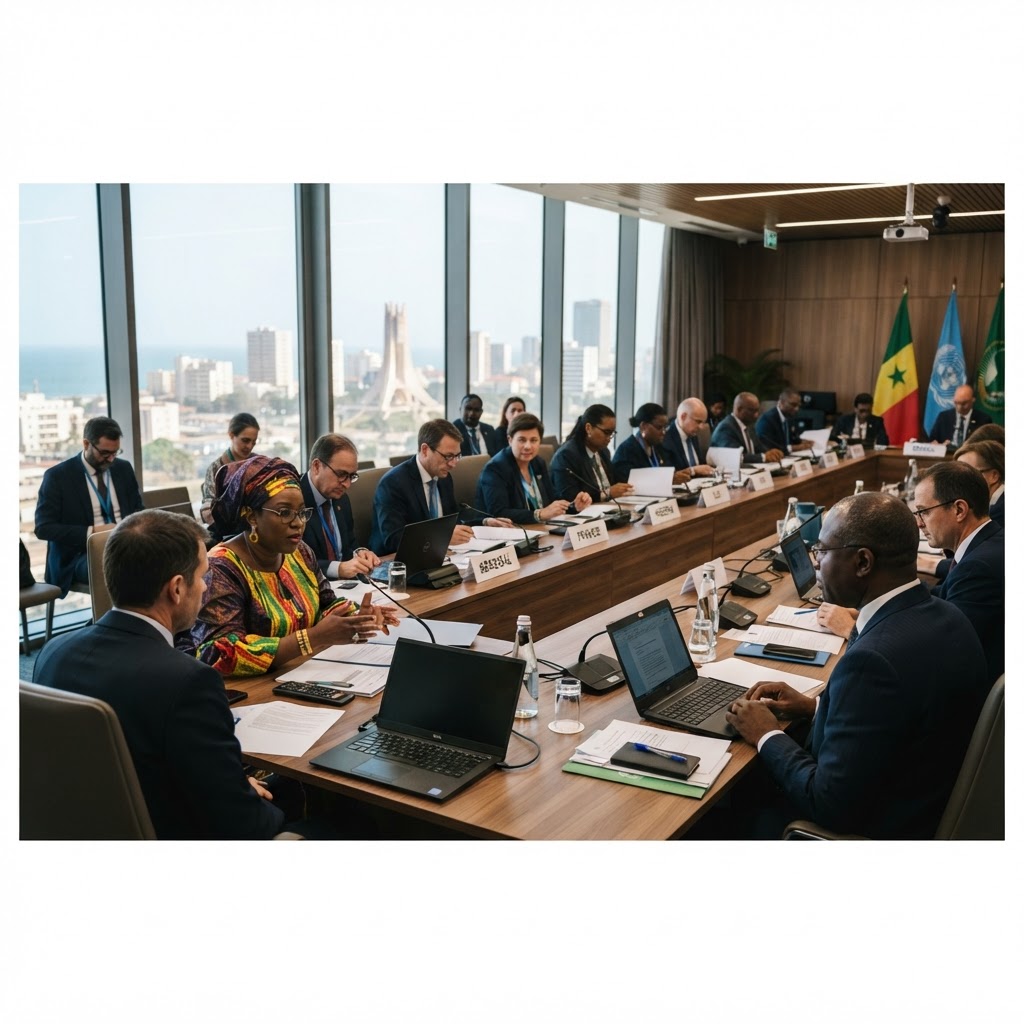
Senegal is currently navigating a critical financial transition, utilizing an enhanced version of the G20 Common Framework to restructure its external debt. This move, tied to a $2.2 billion financing program with the International Monetary Fund (IMF), represents a pivotal moment for international debt resolution mechanisms. Unlike previous cases in nations like Zambia or Ghana, where debt servicing was suspended, Senegal has committed to honoring its financial obligations, including recent Eurobond coupon payments, while simultaneously negotiating with its lenders.
The Senegalese government, under the leadership of President Bassirou Diomaye Faye, is pursuing what it describes as a debt reprofiling strategy. This approach focuses on extending loan maturities and renegotiating interest rates rather than a traditional, disruptive default. By excluding debt denominated in the regional CFA franc from the process, Dakar aims to maintain economic stability while addressing the fiscal pressures that followed the discovery of previously unreported borrowing.
International financial leaders are closely monitoring this process, viewing it as a litmus test for a reformed G20 framework. World Bank President Ajay Banga has expressed a commitment to accelerating the negotiations, drawing on lessons learned from past, more protracted restructuring efforts. The goal is to demonstrate that the Global Sovereign Debt Roundtable’s improvements can deliver results with greater speed and transparency than the historically slow and complex procedures of the past.
Success for Senegal depends on securing financing assurances from a diverse group of official and private creditors. While the IMF remains optimistic about the potential for a swift resolution, the process requires careful coordination to ensure fair treatment among all stakeholders. If successful, Senegal’s strategy could provide a new, less volatile blueprint for developing nations seeking to manage debt burdens without triggering a full-scale economic crisis.
RELATED DISPATCHES



Discussion (0)
No comments yet. Be the first to join the discussion.