Market Volatility Spikes as CoreWeave Selloff Triggers AI Sector Anxiety
Investors retreat from artificial intelligence infrastructure stocks amid mounting concerns over debt and rising borrowing costs.
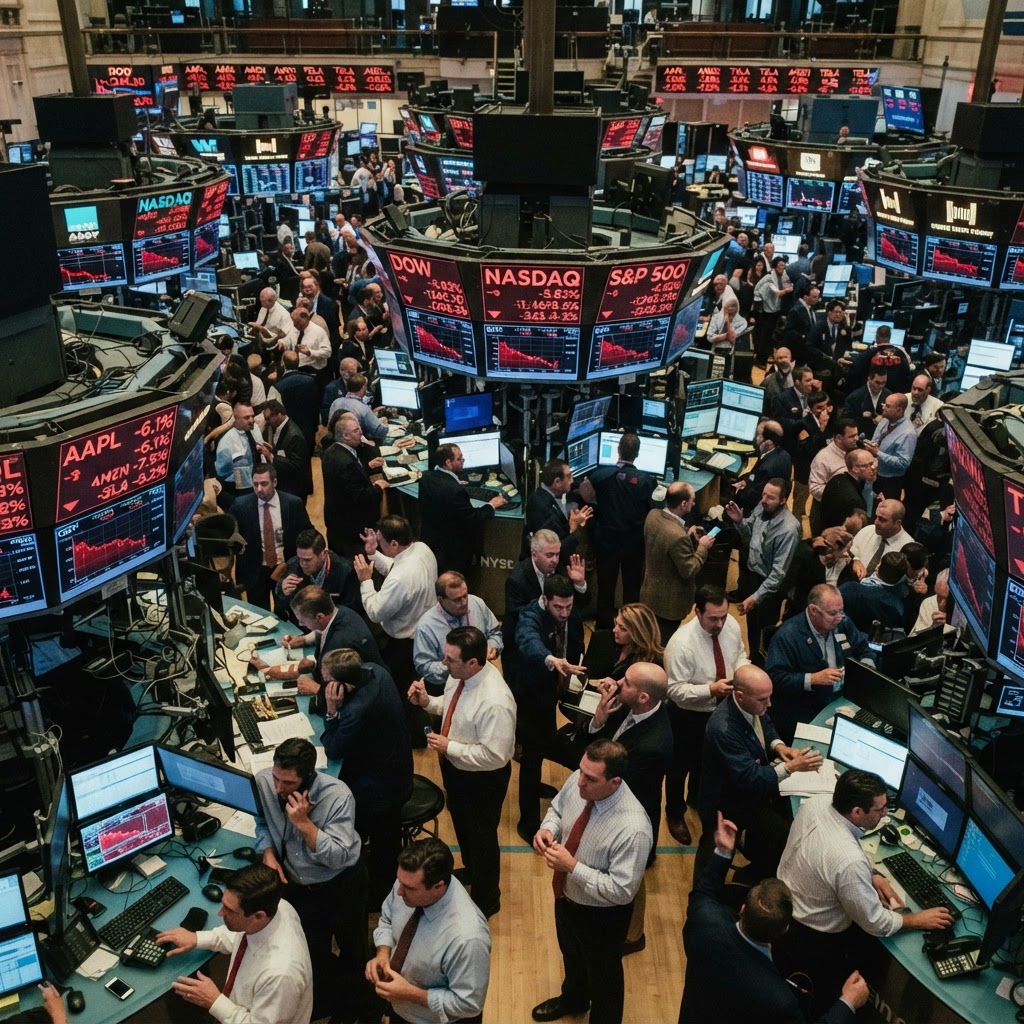
Wall Street experienced a turbulent week as a sharp decline in CoreWeave (CRWV) shares intensified broader investor apprehension regarding the artificial intelligence sector. The selloff, which saw the company’s stock and bonds face significant downward pressure, has fueled a wider rotation away from high-growth AI infrastructure plays. Market participants are increasingly scrutinizing the sustainability of massive capital expenditures in the AI space, shifting their focus toward the rising cost of borrowing and the heavy debt loads required to maintain competitive data center operations.
While the broader market, particularly the Dow Jones Industrial Average, found some stability through positive earnings in other sectors, the technology-heavy Nasdaq and S&P 500 have struggled under the weight of this sector-wide retreat. Analysts note that the current market mood is less about a collapse in demand for AI services and more about a reassessment of valuations and the financial health of companies heavily reliant on debt-fueled expansion. The recent volatility highlights a growing divide between the promise of AI innovation and the practical financial realities of funding it.
Recent regulatory filings have also drawn attention, including notices of proposed stock sales by company insiders, which have added to the negative sentiment surrounding CoreWeave. As the company navigates these financial headwinds, the market is closely watching how infrastructure providers will manage their capital requirements in an environment of elevated interest rates. This shift in sentiment has prompted traders to move capital into more defensive positions, signaling a potential cooling period for the once-dominant AI trade.
Ultimately, the recent price action reflects a broader trend of caution across the technology landscape. With concerns over overspending and competitive pressures mounting, investors are demanding greater fiscal discipline from firms that have previously enjoyed unchecked growth. Whether this represents a temporary correction or a more sustained shift in market strategy remains a primary concern for analysts monitoring the intersection of economic growth and technological investment.
RELATED DISPATCHES



Discussion (0)
No comments yet. Be the first to join the discussion.