Political Tensions and Security Challenges Grip Pakistan
From emergency rule in Khyber Pakhtunkhwa to new diplomatic and administrative shifts, Pakistan navigates a complex period of transition.
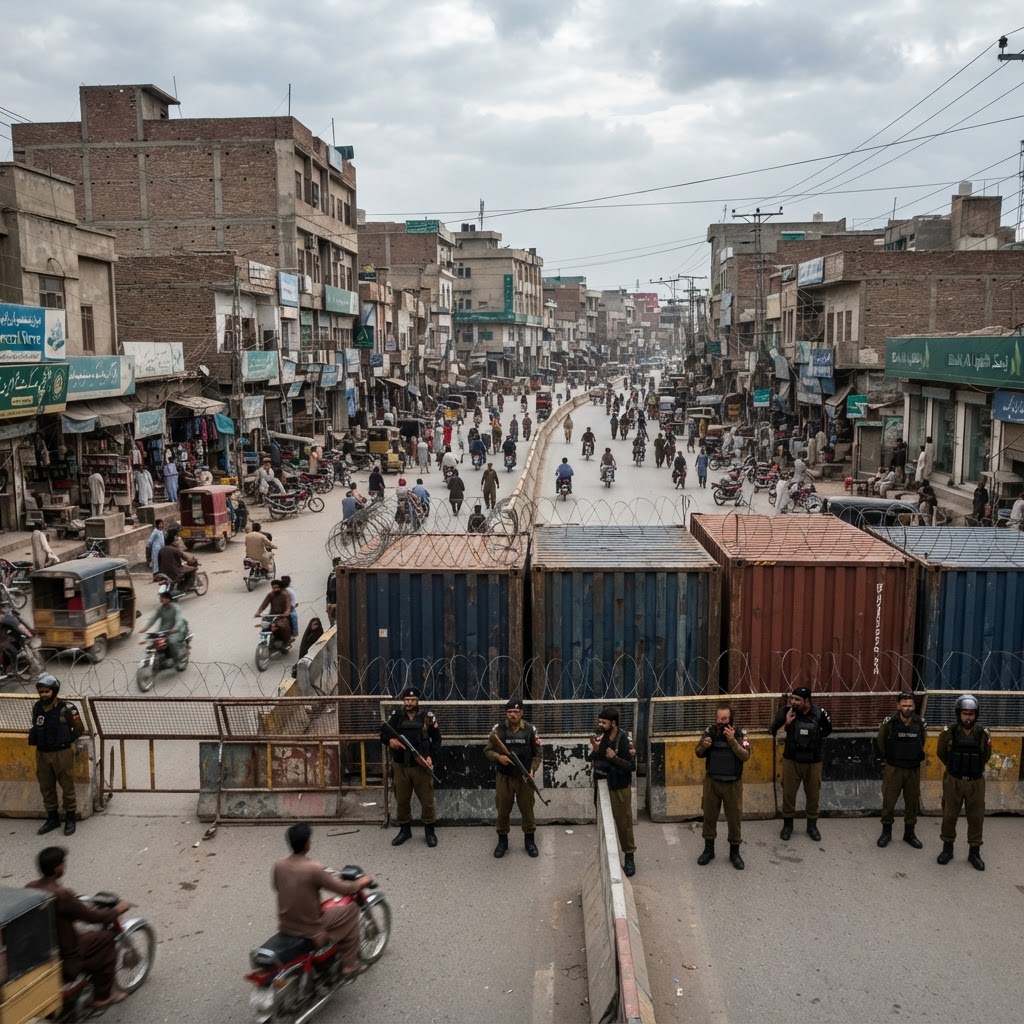
The political landscape in Pakistan remains highly volatile following the federal government's decision to impose emergency rule in the Khyber Pakhtunkhwa (KP) province. This move, which effectively rendered the provincial government non-functional, was initiated by President Asif Ali Zardari citing a deteriorating law and order situation. The decision has drawn sharp criticism from the Pakistan Tehreek-e-Insaf (PTI) party, which governs the region, with leadership labeling the intervention an undemocratic measure that undermines constitutional governance.
Beyond the internal political friction, the nation is grappling with significant security concerns. Regional stakeholders, including representatives from Pakistan, China, Iran, and Russia, recently convened to address the stability of Afghanistan. The group expressed collective alarm over the rise of terrorism in the region, specifically condemning attacks that have impacted both Afghan and Pakistani soil. These discussions underscore the pressure on Islamabad to manage cross-border security while maintaining regional cooperation.
Economic and administrative reforms are also moving forward amidst the unrest. The government has announced the mandatory issuance of e-passports starting October 23, 2026, as part of a broader effort to modernize national documentation. Simultaneously, the administration is pushing for internal accountability, with the Prime Minister ordering strict action against corrupt elements within the Federal Board of Revenue (FBR) and the National Accountability Bureau (NAB) finalizing plans for power sector reforms.
On the international front, Pakistan continues to actively engage in diplomacy to bolster its economic and strategic standing. Recent developments include the exchange of 20 Memorandums of Understanding (MoUs) with the Maldives aimed at increasing bilateral trade to $200 million. Furthermore, the country has reaffirmed its strong ties with Saudi Arabia, pledging full support to the kingdom, while government officials continue to call for national political consensus to navigate the current period of instability.
RELATED DISPATCHES

Peshawar: Decision to tighten procedure for release of government funds in Khyber Pakhtunkhwa
49 minutes 39 seconds ago
Valika Hospital; demand to form federal-level JIT on spread of HIV among children
50 minutes 28 seconds ago
Cost of under-construction Mohmand Dam increases to 666 billion rupees
51 minutes 16 seconds agoDiscussion (0)
No comments yet. Be the first to join the discussion.