Philippine Resistance Mounts Against U.S.-Led Pax Silica AI Hub
Protesters and activists voice concerns over displacement and resource strain as the U.S. pushes for a new semiconductor and AI manufacturing center.
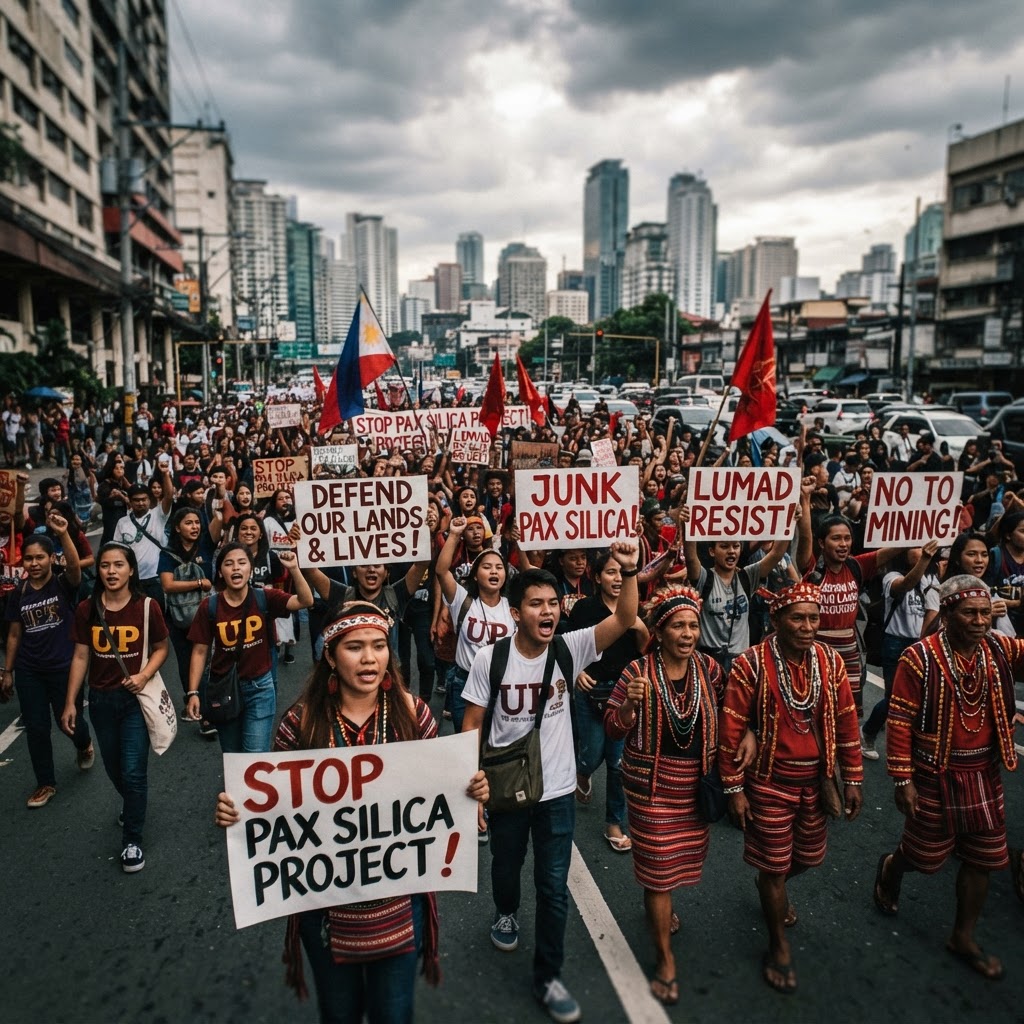
As President Donald Trump arrives in Manila for the ASEAN summit, his administration’s Pax Silica initiative faces significant public backlash. The U.S.-led coalition, designed to secure global supply chains for artificial intelligence and semiconductors while bypassing Chinese influence, has selected New Clark City in the Philippines as the site for a massive industrial hub. While the Philippine government promotes the project as a transformative economic opportunity, local opposition groups argue it represents a new form of technological imperialism that threatens national sovereignty.
The proposed 4,000-acre facility is expected to require staggering amounts of local resources, with estimates suggesting a daily consumption of up to 90 million liters of water and 3 gigawatts of electricity. Critics, including the Network Opposed to Pax Silica, warn that these demands will divert essential water from agricultural irrigation, potentially devastating the livelihoods of thousands of local farmers. Furthermore, human rights organizations have raised alarms regarding the forced displacement of Indigenous Aeta communities, noting that the project has proceeded without obtaining the necessary free, prior, and informed consent from those living on the land.
Beyond environmental and social concerns, the project has become a flashpoint for broader geopolitical anxieties. Activists and labor unions argue that the Philippines is being used as a pawn in a high-stakes rivalry between Washington and Beijing. Skeptics also question the quality of the promised jobs, pointing to the history of foreign-led industrial zones that have historically offered only minimum-wage labor without facilitating meaningful technology transfer or domestic industrial growth.
Despite the government's claims that the hub could attract up to $70 billion in investment and create 200,000 jobs, the public mood remains tense. Recent weeks have seen widespread student walkouts and street demonstrations across Manila and other regions. While Philippine officials suggest that the project will be contained within designated zones to minimize impact, the lack of transparency has fueled deep-seated distrust among the populace, who fear that the long-term costs of the AI hub will far outweigh the promised economic benefits.
RELATED DISPATCHES

Discussion (0)
No comments yet. Be the first to join the discussion.