Nuristan Relief Efforts Reach Families Displaced by Flash Floods
Humanitarian groups distribute food and emergency supplies to 500 households following a deadly natural disaster in eastern Afghanistan.
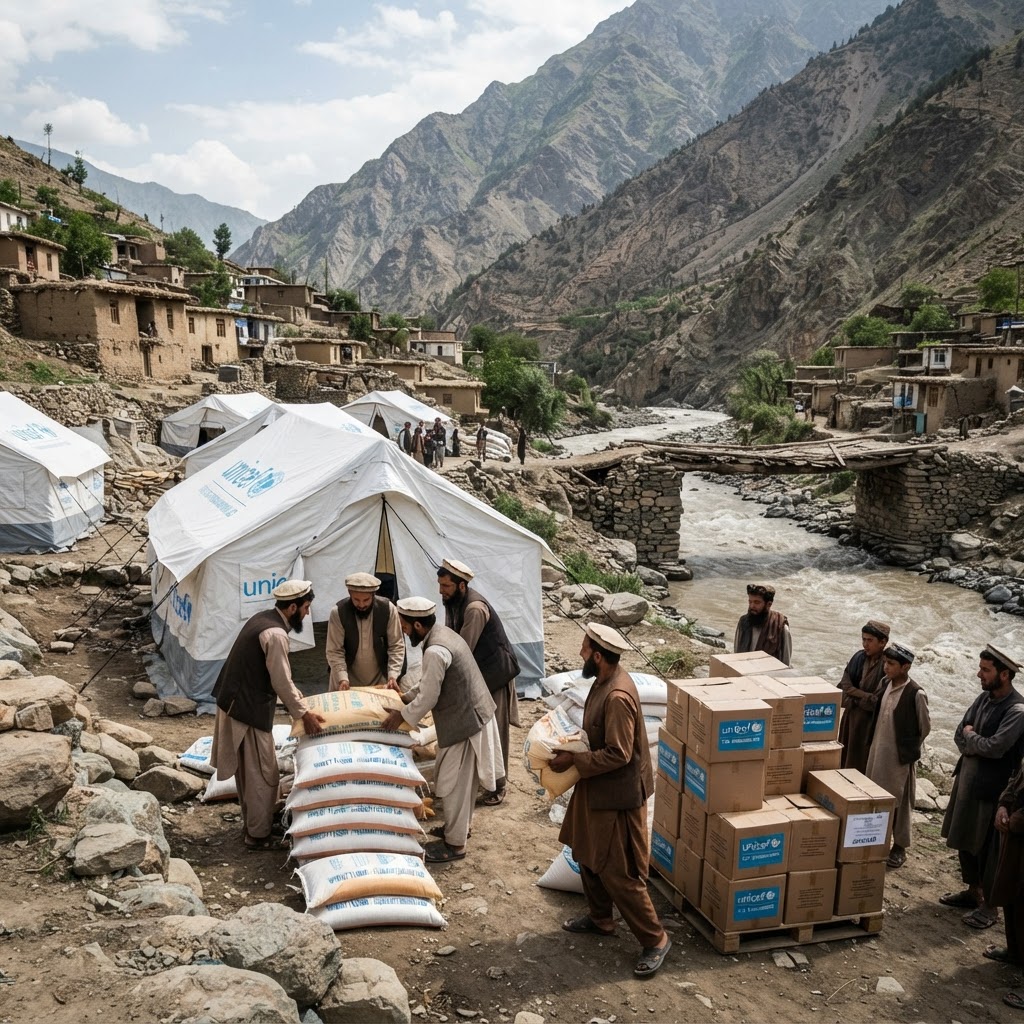
Humanitarian assistance has reached approximately 500 families in Nuristan province following devastating flash floods that recently tore through the mountainous region. The relief effort comes as a critical response to the natural disaster that struck on July 20, 2026, leaving dozens dead and causing widespread destruction in the provincial capital of Parun and surrounding districts. Local disaster management officials confirmed that the distribution aims to provide immediate respite to those whose homes and livelihoods were swept away by the sudden torrents of water. The aid packages consist of a combination of food and non-food items provided by several international and domestic organizations. According to recent reports, agencies like UNICEF and the Afghan Red Crescent Society have been active on the ground, delivering hygiene kits, kitchen supplies, and emergency nutrition to the most vulnerable households. Additionally, regional neighbors including India and Iran have dispatched shipments of flour, oil, and family-sized tents to bolster the local supply chain and ensure displaced residents have basic shelter. Delivering these supplies has proven to be a significant logistical feat due to the rugged and remote terrain of Nuristan. Flash floods destroyed at least four bridges and several critical road segments, forcing aid workers to navigate treacherous paths or utilize manual labor to transport goods across debris-clogged riverbeds. Despite these challenges, the State Ministry for Disaster Management has emphasized that the priority remains reaching isolated communities where the threat of secondary floods and waterborne diseases is highest. The economic impact of the floods is estimated to be in the millions of dollars, with agricultural land and irrigation systems suffering the most damage. For a province where the majority of residents rely on subsistence farming, the loss of nearly 10 hectares of crops represents a long-term threat to food security. Local leaders are calling for more than just emergency kits, urging the international community to fund the reconstruction of infrastructure and permanent housing to help families recover from the shock. Experts point to the incident as part of a broader pattern of climate-driven disasters affecting Afghanistan in 2026. The combination of intense seasonal rainfall and extensive deforestation has made regions like Nuristan increasingly prone to catastrophic flooding. As search and rescue operations for the remaining missing persons continue, the focus of the humanitarian community is shifting toward sustained support and building resilience against future weather extremes in the eastern highlands.
RELATED DISPATCHES
Discussion (0)
No comments yet. Be the first to join the discussion.