Midwest Housing Market Faces Growing Affordability Hurdles
Once considered a reliable refuge from the national housing squeeze, the Midwest is seeing rising prices and mortgage rates limit options for prospective buyers.
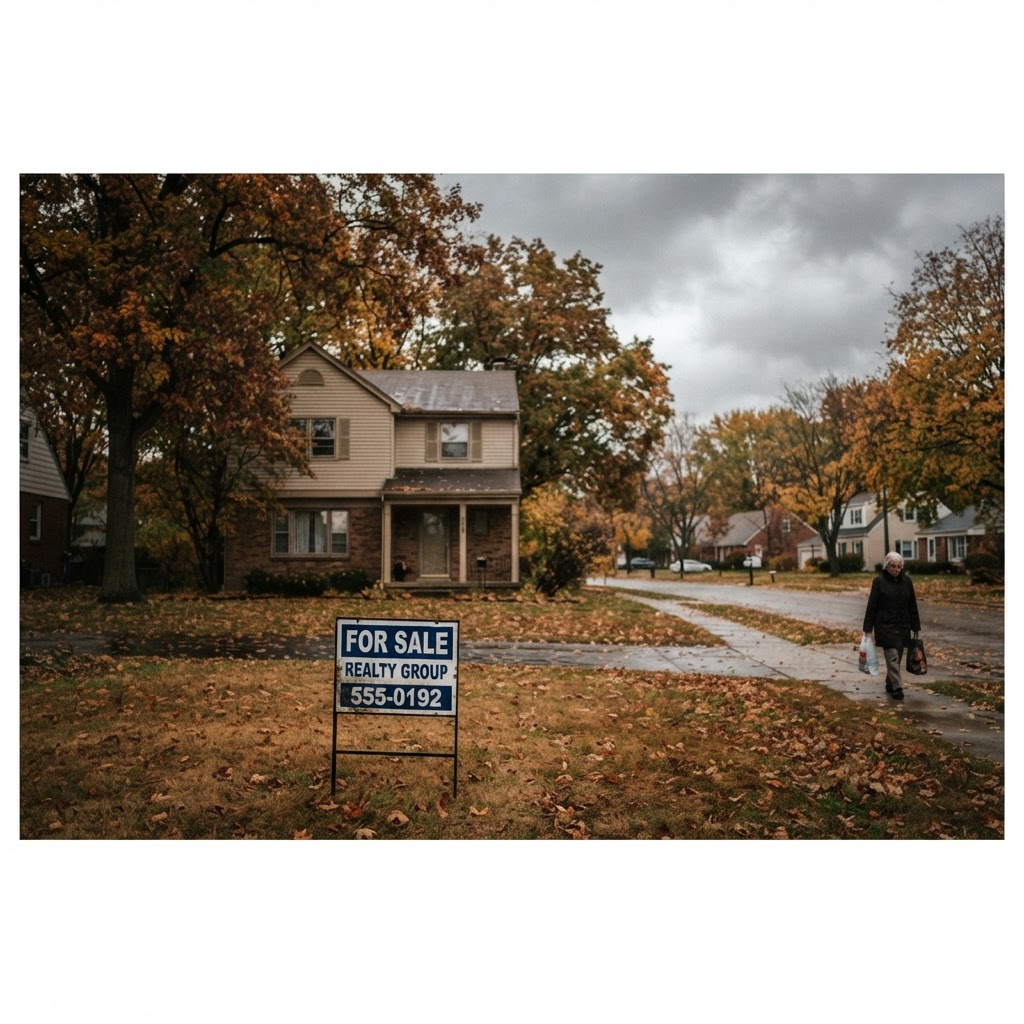
For years, the American Midwest served as a dependable sanctuary for families seeking relief from the exorbitant real estate costs found on the coasts. However, that narrative is shifting as the national housing affordability crisis makes significant inroads into the heartland. Recent data indicates that the region is no longer immune to the pressures of climbing home prices and elevated borrowing costs that have long plagued other parts of the country.
As of late 2026, the status of the Midwest as a bastion of accessible homeownership is eroding. Major metropolitan areas, including Chicago, Milwaukee, and Kansas City, are experiencing a steady climb in list prices despite a generally stagnant national housing market. This trend has effectively dismantled the affordability advantage that previously defined the region for many middle-class households.
Federal Reserve Bank of Atlanta metrics highlight the severity of this transition. While the region was largely considered affordable as recently as 2020—with homeownership costs remaining below 30% of median household income—the situation has deteriorated rapidly. By mid-2026, more than half of the roughly 200 metro areas across the Midwest had crossed the threshold into unaffordability, with cities like Indianapolis, Des Moines, and Flint leading the trend.
Prospective buyers are finding themselves increasingly boxed out of the market as they compete for a limited supply of homes. The combination of mortgage rates breaching the 7% mark and persistent price growth has created a challenging environment for those attempting to enter the market. Even in areas where home prices remain lower than the national average, the rising cost of financing is neutralizing the potential savings for many families.
While the Midwest continues to see population growth, the dream of homeownership is becoming a more difficult goal to achieve. As the gap between income growth and housing costs widens, the region is finding that its reputation as a low-cost alternative is fading, leaving many residents to navigate a landscape that feels increasingly similar to the expensive coastal markets they once sought to escape.
RELATED DISPATCHES



Discussion (0)
No comments yet. Be the first to join the discussion.