Iran Maintains Defiant Stance Amid U.S. and Israeli Political Uncertainty
Tehran signals that regional policy remains unchanged regardless of election outcomes in Washington and Jerusalem.
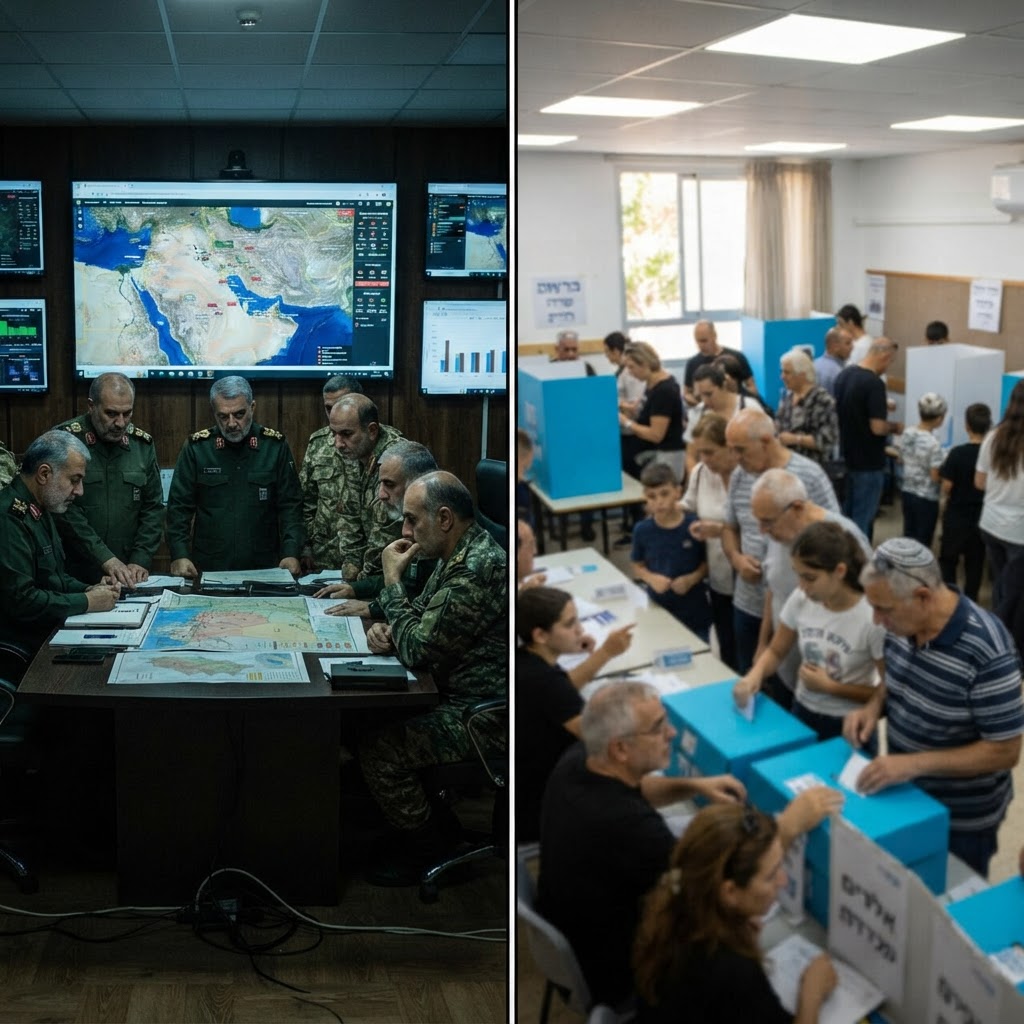
As voters in Israel cast their ballots and the United States approaches its midterm elections, the government in Tehran has signaled that it expects little shift in regional dynamics. Iranian officials have publicly stated that the results of these foreign elections will not alter their strategic position or their approach to the ongoing conflict. Despite the high stakes, Iran remains focused on the potential for renewed military escalation, warning that any further aggression from Israel would result in severe economic consequences for the region.
Prime Minister Benjamin Netanyahu, currently navigating a tightly contested election, has framed the confrontation with Iran as an existential struggle. While his administration has faced internal scrutiny and reports of friction with military leadership regarding potential escalations, Netanyahu continues to advocate for a firm stance against Tehran. Conversely, opposition figures have urged a focus on national interests, yet the overarching policy toward Iran remains a central, albeit contentious, theme in the Israeli political landscape.
In Washington, the atmosphere is equally charged as the U.S. midterm elections loom. Reports indicate that American officials have advised regional allies to prepare for possible military activity following the vote. While some diplomatic efforts are underway—with mediators exploring potential deals to restart talks and address nuclear concerns—the threat of a return to full-scale hostilities persists. The prospect of continued conflict has deepened the economic strain on Iran, exacerbating existing challenges such as rising food prices and the impact of international naval pressure.
Ultimately, the political transitions in both Israel and the U.S. appear unlikely to provide an immediate reprieve from the current tensions. Whether Netanyahu retains power or a new coalition emerges, the fundamental friction between these nations remains deeply entrenched. Tehran’s leadership continues to emphasize that its stance is fixed, preparing for a future that may involve further military volatility regardless of who occupies the halls of power in Jerusalem or Washington.
RELATED DISPATCHES
Discussion (0)
No comments yet. Be the first to join the discussion.